
The Complete Guide to Serum for Face: Benefits & How to Use
Face serums deliver concentrated active ingredients deeper into your skin than moisturizers. Learn what makes them essential, the different types available, and how to use them correctly for maximum results.
WOW Skin Science Editorial Team
Beauty experts sharing science-backed skincare tips.
Complete Guide to Face Serum: Benefits, Types & How to Use
Your moisturizer isn't enough. There, I said it.
If you're dealing with stubborn dark spots, oil that won't quit, or fine lines that appeared overnight, you need something more concentrated. Something that works harder. That's exactly what face serums do — they deliver powerful ingredients deep into your skin where they can actually make a difference.
Think of your skincare routine like making chai. Moisturizer is the milk — essential, but mild. Serum is the concentrated tea decoction — small in quantity, huge in impact.
What is Face Serum and Why You Need It
Face serums are lightweight, fast-absorbing liquids packed with high concentrations of active ingredients. Unlike creams that sit on your skin's surface, serums penetrate deeper because their molecules are tiny.
Here's what makes them different from your regular moisturizer:
Smaller molecular size — they slip between skin cells easily
Higher concentration — 70% active ingredients vs. 5-10% in creams
Water or oil-based — no heavy fillers or thickeners
Targeted action — designed to fix specific problems
The Science Behind Serum Absorption
Your skin has a protective barrier. Good for keeping bad stuff out. Bad for getting good stuff in.
Serums bypass this problem. Their molecular weight is typically under 500 Daltons — small enough to penetrate the stratum corneum (your skin's outermost layer). Creams? They're usually too large, sitting on top like a blanket.
Indian skin, especially in humid climates, often struggles with heavy creams. Serums absorb within seconds. No greasy film. No clogged pores.
Key Benefits of Adding Serum to Your Routine
What serums actually do for your skin:
Target specific concerns (acne, pigmentation, aging) with precision
Deliver results faster than creams alone
Layer easily without feeling heavy
Work well under makeup
Boost the effectiveness of your moisturizer
Provide visible improvements in 4-6 weeks
Types of Face Serums: Finding Your Perfect Match
Not all serums are created equal. Your cousin's favorite might be your skin's nightmare.
Brightening Serums (Niacinamide)
Niacinamide is India's skincare superhero. It handles oil control, fades dark spots, and calms inflammation — basically everything our climate throws at us.
This ingredient works at 2-10% concentration. At 10%, it regulates sebum production and evens out skin tone. Products containing this percentage work really well for combination and oily skin types common in Indian weather.
Shop: 10% Niacinamide Face Serum Oil Control & Even Complexion → →
Acne-Fighting Serums (Salicylic Acid)
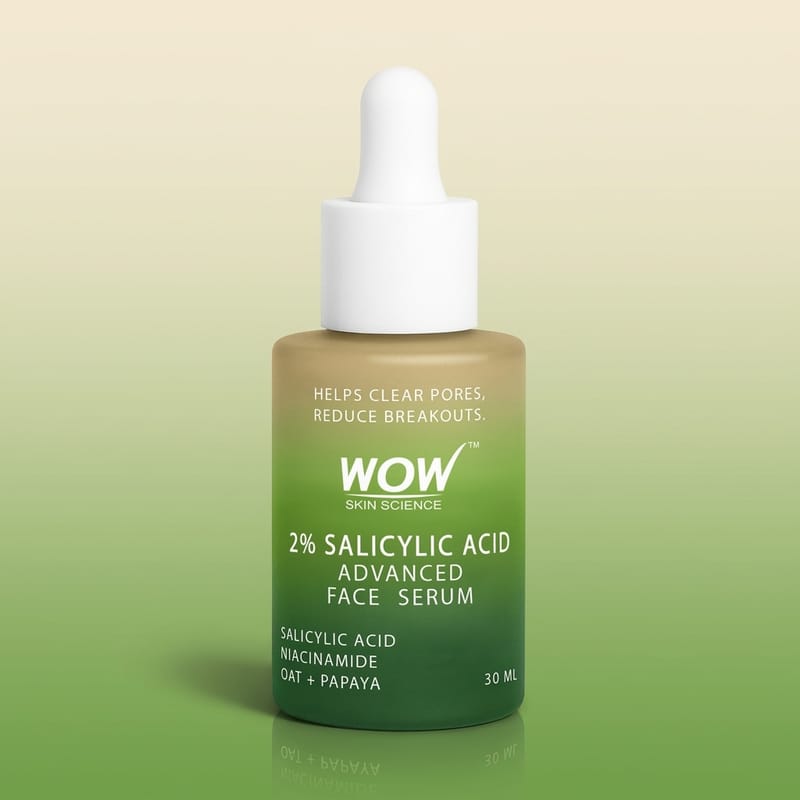
Salicylic acid is oil-soluble. That means it dives into your pores and clears out the gunk. Perfect for acne-prone skin that produces excess sebum.
Use 2% concentration for daily use. Higher percentages can irritate. This ingredient unclogs pores, reduces blackheads, and prevents future breakouts.
Anti-Aging Serums (Retinol)
Retinol speeds up cell turnover. Translation: fresh skin cells replace old, damaged ones faster.
Start with 0.3% if you're new to retinol. Your skin needs time to adjust. Expect smoother texture, reduced fine lines, and firmer skin over 8-12 weeks.
How to Choose the Right Serum for Your Skin Type
Your skin type determines which serum will actually work.
Best Serums for Oily and Acne-Prone Skin
Look for these ingredients:
Salicylic acid — unclogs pores from inside
Niacinamide — controls oil without drying
Tea tree oil — natural antibacterial
Avoid heavy oils. Your skin produces enough already. Stick to water-based or gel serums that won't add shine.
For persistent acne and enlarged pores, salicylic acid at 2% concentration works exceptionally well. It penetrates oil-filled pores and dissolves the buildup that causes breakouts.
Shop: 2% Salicylic Acid Face Serum Unclogs Pores & Controls Excess Oil → →
Best Serums for Dry and Dehydrated Skin
Hydration is non-negotiable:
Hyaluronic acid — holds 1000x its weight in water
Glycerin — draws moisture from air to skin
Ceramides — repair moisture barrier
Layer a hydrating serum under your moisturizer. This sandwich technique locks in hydration better than moisturizer alone.
Best Serums for Mature Skin
Fight aging with these powerhouses:
Retinol — boosts collagen production
Peptides — signal skin to repair itself
Vitamin C — protects against free radicals
Start retinol slowly. Twice a week for the first month. Your skin will thank you for the patience.
How to Use Face Serum: Step-by-Step Application Guide
Application matters. Use it wrong, waste your money.
The Correct Order: Where Serum Fits in Your Routine
Morning routine:
Cleanser
Toner (optional)
Serum
Moisturizer
Sunscreen (never skip)
Night routine:
Cleanser
Toner (optional)
Serum
Moisturizer
Night cream or sleeping mask
Remember: thinnest to thickest consistency. Serums go before creams, always.
How Much Serum to Use
Three drops. That's it.
One drop for forehead and nose. One for each cheek. More product doesn't mean better results — it means wasted serum and potential irritation.
Application Techniques for Maximum Absorption
Here's what works really well:
Warm serum between fingertips before applying
Pat gently into skin — don't rub aggressively
Press palms against face for 30 seconds
Wait 60-90 seconds before applying moisturizer
Apply to damp (not wet) skin for better absorption
Morning vs. Night: When to Apply Different Serums
Morning serums:
Vitamin C (antioxidant protection)
Niacinamide (oil control throughout the day)
Hyaluronic acid (hydration under makeup)
Night serums:
Retinol (works during cell repair hours)
AHAs/BHAs (exfoliate while you sleep)
Peptides (support overnight regeneration)
Some ingredients, like retinol, break down in sunlight. Save them for nighttime.
Common Mistakes to Avoid When Using Face Serums
Even expensive serums fail if you use them wrong.
Using Too Much Product
More isn't better. It's wasteful. Your skin can only absorb so much at once. Excess serum sits on the surface, pills under makeup, or clogs pores.
Stick to 2-3 drops per application. Seriously.
Skipping Moisturizer After Serum
Serums aren't moisturizers. They deliver actives, but they don't seal in hydration. Always follow with moisturizer to lock everything in.
In humid Indian weather, use a light gel moisturizer. You still need that final protective layer.
Mixing Incompatible Ingredients

Never combine these:
Retinol + Vitamin C (pH clash, irritation)
Retinol + AHA/BHA (too harsh together)
Vitamin C + Niacinamide (debated, but can reduce effectiveness)
Safe combinations:
Niacinamide + Hyaluronic acid
Vitamin C + Vitamin E
Retinol + Peptides (on alternate nights)
Expecting Overnight Results
Skincare isn't magic. Serums need time.
Realistic timeline:
Hydration serums: 1-2 weeks
Brightening serums: 4-6 weeks
Anti-aging serums: 8-12 weeks
Acne-fighting serums: 6-8 weeks
Be patient. Your skin renews every 28 days. Real change takes multiple cycles.
Key Takeaways: Your Face Serum Checklist
Before you buy:
Identify your primary skin concern
Check ingredient concentration (higher isn't always better)
Consider your climate (lightweight for humidity)
Read the ingredient list, not just marketing claims
When you use:
Apply to damp, clean skin
Use 2-3 drops maximum
Pat, don't rub
Always follow with moisturizer
Give it 4-6 weeks before judging results
For best results:
Store away from sunlight and heat
Use within 6 months of opening
Patch test new serums first
Start slowly with active ingredients
Frequently Asked Questions About Face Serums
Can I use face serum every day?
Yes, most serums are designed for daily use. Hydrating serums (hyaluronic acid, niacinamide) work great twice daily. Active ingredients like retinol should start 2-3 times weekly, then increase as your skin adjusts.
Should I use serum in the morning or at night?
Depends on the ingredient. Antioxidants like Vitamin C and niacinamide work best in the morning for daytime protection. Retinol and exfoliating acids belong in your night routine when skin repairs itself.
How long does it take to see results from face serum?
Hydration shows up in 1-2 weeks. Brightening takes 4-6 weeks. Anti-aging results need 8-12 weeks minimum. Your skin cells need time to regenerate and show visible improvement.
Can I use multiple serums at once?
Yes, but layer them correctly. Apply thinnest consistency first. Wait 60-90 seconds between each serum. Limit to 2-3 serums maximum to avoid overwhelming your skin or ingredient conflicts.
Do I need moisturizer if I use serum?
Absolutely. Serums deliver active ingredients but don't provide the occlusive barrier that moisturizers do. Think of serum as treatment and moisturizer as protection — you need both for healthy skin.
Enjoyed this article?
Get more beauty tips and skincare guides delivered to your inbox.
Related Articles
How WOW Skin Science Actually Works: The Real Science
Not all skincare delivers on its promises. Discover the science behind WOW Skin Science formulas and why transparency in ingredients makes all the difference for your skin.
BuyWOW: What Most People Miss When Shopping Smart
Most shoppers miss the smartest ways to buy WOW Skin Science products. Learn how to shop strategically with ingredient-focused combinations and money-saving kits instead of random purchases.
AHA BHA Serum: Complete Guide for Glowing Skin
Battling dull skin, enlarged pores, and breakouts? An AHA BHA serum combines powerful chemical exfoliants to resurface skin, unclog pores, and reveal a brighter complexion — no harsh scrubbing needed.