
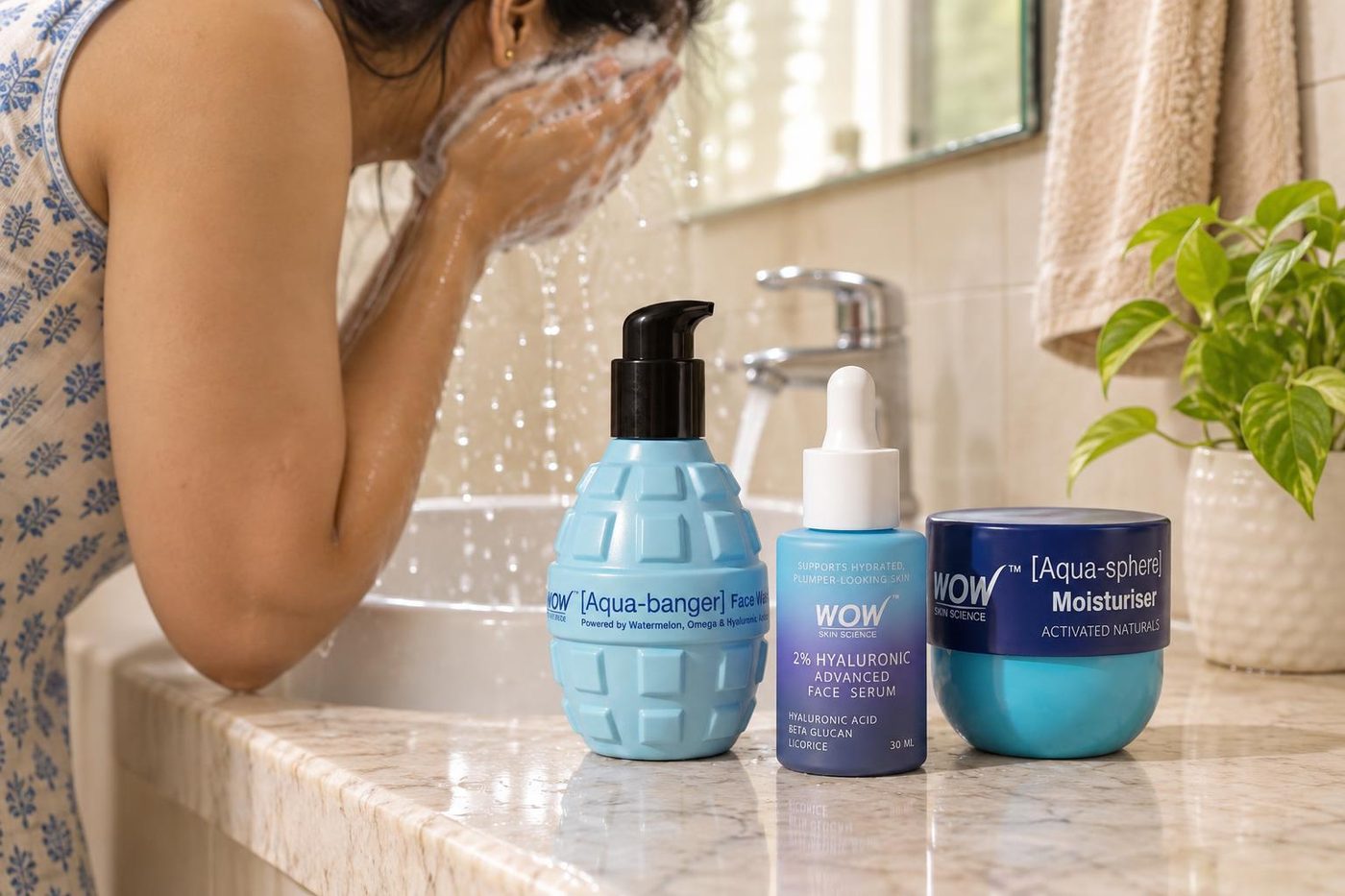
The Complete Guide to Hyaluronic Acid Face Wash (2024)
Your face wash might be stripping moisture with every cleanse. Learn how hyaluronic acid face wash transforms your routine by cleaning and hydrating simultaneously.
Garima
WOW Editorial Team
Complete Guide to Hyaluronic Acid Face Wash (2024)
Your skin feels tight after washing your face. Sound familiar? You're probably stripping away moisture with every cleanse. That's where hyaluronic acid face wash changes everything — it cleans while actually hydrating your skin.
What is Hyaluronic Acid and Why Does Your Face Wash Need It?
Understanding Hyaluronic Acid: The Moisture Magnet
Hyaluronic acid isn't actually an exfoliating acid like glycolic or salicylic. It's a sugar molecule that your skin naturally produces. The magic? It holds up to 1000 times its weight in water.
Think of it as a sponge for your skin cells. When applied topically, it draws moisture from the air and deeper skin layers, creating that plump, dewy look everyone wants. Your skin contains hyaluronic acid naturally, but production drops as you age — which is why mature skin often looks drier and less bouncy.
How Hyaluronic Acid Works in Face Cleansers
Traditional cleansers remove dirt, oil, and makeup — but they also strip your skin's moisture barrier. Hyaluronic acid face washes flip the script. They cleanse while depositing hydrating molecules onto your skin.
During the brief contact time (about 60 seconds), the hyaluronic acid forms a thin, breathable film on your skin's surface. This film helps lock in moisture even after rinsing. Your skin stays clean but doesn't feel parched or squeaky.
The key is molecular size. Smaller hyaluronic acid molecules can penetrate slightly deeper during cleansing, while larger ones create that protective barrier on top.
The Difference Between Hyaluronic Acid in Serums vs. Face Wash
Here's what works really well: using both. A face wash with hyaluronic acid preps your skin by adding an initial hydration layer. But it rinses off within a minute, so the effect is gentler and more temporary.
Serums sit on your skin for hours. They contain higher concentrations (usually 1-2%) and multiple molecular weights for deeper penetration. Face washes typically contain lower concentrations since they're rinsed away.
The smart approach? Start with a hydrating face wash, then layer a hyaluronic acid serum on damp skin. You get cleansing benefits plus serious, long-lasting hydration.
Science-Backed Benefits of Hyaluronic Acid Face Wash
Deep Hydration Without the Heaviness — Your skin gets moisture without that greasy film. Perfect for Indian humidity where heavy creams feel suffocating.
Strengthens Your Skin Barrier — A healthy moisture barrier protects against pollution, dust, and the harsh sun we face daily. Hyaluronic acid supports this protective layer.
Reduces Fine Lines Temporarily — Hydrated skin looks plumper. Those dehydration lines around your eyes and mouth? They soften when your skin is properly moisturized.
Works for Every Skin Type — Oily skin needs hydration too (it's different from oil). Hyaluronic acid is lightweight enough for acne-prone skin but hydrating enough for dry skin.
Prepares Skin for Other Products — Clean, hydrated skin absorbs serums and moisturizers better. Your entire routine works more effectively.
Gentle on Sensitive Skin — Unlike harsh sulfates or strong acids, hyaluronic acid rarely causes irritation. It's naturally found in your body, so your skin recognizes it.
Balances Oil Production — When your skin is dehydrated, it often overproduces oil to compensate. Proper hydration can actually reduce that midday shine.
How to Choose the Right Hyaluronic Acid Face Wash
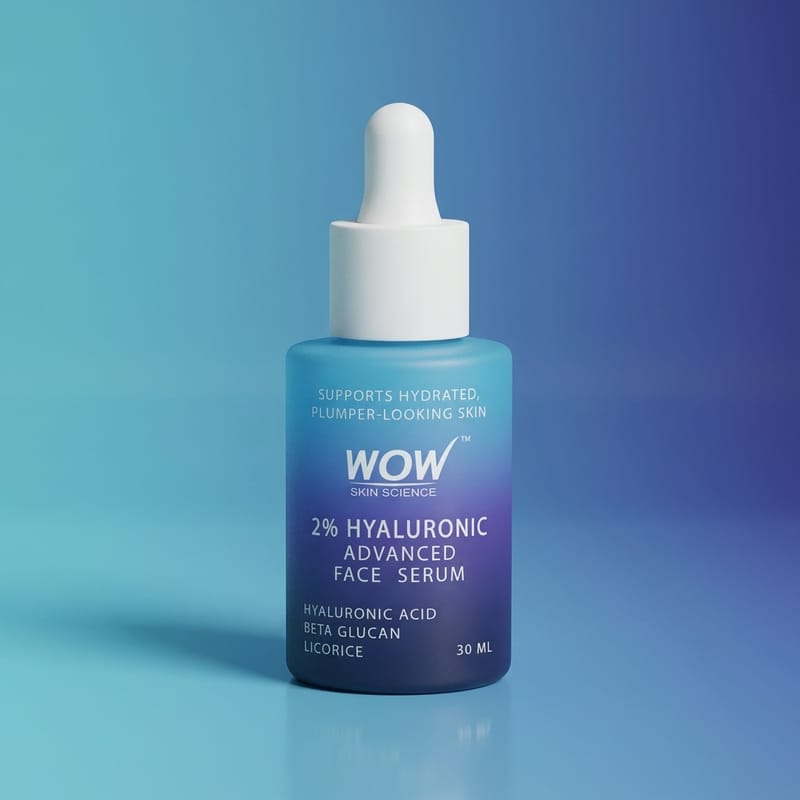
Key Ingredients to Look For
Beyond hyaluronic acid itself, watch for these supporting players:
Ceramides — These lipids repair your skin barrier and work beautifully alongside hyaluronic acid
Rice water — A traditional Asian beauty ingredient packed with amino acids and vitamins
Aloe vera — Soothes and adds another layer of hydration
Glycerin — Another humectant that draws moisture to your skin
Products like the Rice Water & Ceramide Face Wash combine these complementary ingredients for deep hydration that goes beyond basic cleansing.
Shop: Rice Water & Ceramide Face Wash → →
Concentration Levels That Actually Work
Face washes typically contain 0.1-0.5% hyaluronic acid. That sounds low, but remember — it's a rinse-off product. Higher concentrations would be wasteful since most washes down the drain.
For leave-on products like serums, look for 1-2% concentration. That's the sweet spot for visible results without stickiness.
What to Avoid in Your Face Wash
Skip these troublemakers:
Sulfates (SLS/SLES) — They create foam but strip your skin dry
Alcohol as a primary ingredient — Drying and irritating
Artificial fragrances — Common irritants, especially for sensitive skin
Very high pH levels — Your skin's pH is around 5.5; cleansers above 7 can disrupt your barrier
A good hyaluronic acid face wash should have a pH between 5-6. It won't foam like traditional cleansers, and that's perfectly fine.
The Perfect Hyaluronic Acid Skincare Routine
Morning Routine
Step 1: Splash your face with lukewarm water to remove overnight oils.
Step 2: Apply a coin-sized amount of hyaluronic acid face wash. Massage gently for 60 seconds. Don't rush this — your skin needs contact time.
Step 3: Rinse thoroughly with lukewarm water. Pat (never rub) your face semi-dry.
Step 4: While your skin is still slightly damp, apply a hyaluronic acid serum. This locks in the water on your skin's surface.
Step 5: Follow with a lightweight moisturizer and always finish with sunscreen.
Evening Routine
Step 1: Remove makeup with micellar water or cleansing oil first if you wear heavy makeup.
Step 2: Use your hyaluronic acid face wash as the second cleanse. This removes remaining impurities without stripping.
Step 3: Apply serum on damp skin. Evening is when your skin repairs itself, so this is crucial.
Step 4: Layer a slightly richer moisturizer than your morning one.
For a complete hydration system, kits like the Aloe Vera Face Wash & Hyaluronic Acid Serum Kit take the guesswork out of pairing products correctly.
Shop: Aloe Vera Face Wash & Hyaluronic Acid Serum Kit → →
Common Mistakes to Avoid
Using Hot Water — It feels good but damages your moisture barrier. Stick to lukewarm water always.
Skipping the Serum — A face wash alone won't transform your skin. You need a leave-on hyaluronic acid product for real results.
Applying Serum on Bone-Dry Skin — Hyaluronic acid needs water to work. If your skin is completely dry, it can actually pull moisture from deeper layers, making dehydration worse.
Over-Cleansing — Twice daily is enough. More than that strips your skin, triggering oil production and breakouts.
Expecting Overnight Miracles — Hydration builds over time. Give your routine 2-3 weeks before judging results.
Hyaluronic Acid Face Wash for Different Skin Types
Dry and Dehydrated Skin
You need maximum hydration. Use your hyaluronic acid face wash twice daily, and never skip the serum step. Look for formulas with added ceramides or glycerin.
In Indian winters or if you're in an AC environment all day, consider adding a facial oil on top of your moisturizer at night. The oil seals in all that hyaluronic acid goodness.
Oily and Combination Skin
Yes, you need hydration too. Oily skin is often dehydrated underneath. A lightweight hyaluronic acid face wash won't make you greasier — it actually helps balance oil production.
Use it twice daily, but choose a gel-based serum instead of cream formulas. Skip heavy moisturizers and opt for lightweight, water-based ones.
Sensitive and Acne-Prone Skin
Hyaluronic acid is one of the gentlest active ingredients. It rarely causes irritation or breakouts. Just make sure your face wash is fragrance-free and sulfate-free.
If you're using acne treatments like benzoyl peroxide or retinoids, hyaluronic acid actually helps counteract the dryness those ingredients cause. Use your hydrating face wash morning and night to maintain your skin barrier.
Mature Skin
Aging skin loses both collagen and hyaluronic acid. Your skin becomes thinner and holds less moisture. A hyaluronic acid face wash is gentler than foaming cleansers that can emphasize fine lines.
Pair it with a concentrated serum for best results. The combination plumps skin and makes fine lines less visible. You're not reversing aging, but you're giving your skin the hydration it's missing.
Key Takeaways: Your Hyaluronic Acid Face Wash Checklist
Choose sulfate-free, pH-balanced formulas (pH 5-6 is ideal)
Look for complementary ingredients like ceramides, rice water, or aloe vera
Use twice daily — morning and evening
Always apply serum on damp skin, never bone-dry
Follow with a moisturizer appropriate for your skin type
Give your routine 2-3 weeks before expecting visible results
Suitable for all skin types when paired correctly with other products
Water temperature matters — lukewarm only, never hot
Don't skip sunscreen in the morning; hydrated skin still needs protection
Frequently Asked Questions
Can I use hyaluronic acid face wash every day?
Absolutely. Twice daily is actually ideal. Hyaluronic acid is gentle enough for daily use and won't irritate your skin like exfoliating acids might.
Should I use hyaluronic acid serum after face wash?
Yes, this combination is powerful. The face wash preps your skin, and the serum delivers concentrated hydration that stays on your skin. Apply the serum while your face is still slightly damp for maximum absorption.
Does hyaluronic acid face wash work for oily skin?
Definitely. Oily skin often overproduces sebum because it's dehydrated underneath. Hyaluronic acid provides lightweight hydration without adding oil, which can actually help balance your skin's oil production over time.
What's the difference between hyaluronic acid and salicylic acid face wash?
Completely different functions. Salicylic acid exfoliates and unclogs pores — it's for treating acne and blackheads. Hyaluronic acid hydrates and plumps — it's for moisture and anti-aging. You can use both, but at different times or on alternating days.
Can hyaluronic acid face wash cause breakouts?
Rarely. Hyaluronic acid itself is non-comedogenic. If you break out, it's likely from other ingredients in the formula like heavy oils or fragrances. Check the full ingredient list and choose non-comedogenic formulas if you're acne-prone.
Enjoyed this article?
Get more beauty tips and skincare guides delivered to your inbox.
By subscribing you agree to receive emails from BuyWOW. Unsubscribe anytime.
Related Articles
Face Wash Containing Salicylic Acid: How to Choose and Use
How a face wash containing salicylic acid works, who it suits, what strength and texture to pick, and a simple daily routine for oily, acne-prone skin in Indian weather.
The Complete Guide to Charcoal Face Wash for Men
Men's skin produces more oil and has larger pores than women's. Learn why charcoal face wash is the ultimate solution for deep cleansing, fighting blackheads, and controlling shine.
Is Multani Mitti Good for Face? Uses and Who Should Avoid
Multani mitti suits oily skin well but can leave dry skin tight. Here is how to use it on your face, how often, and when to skip it.