
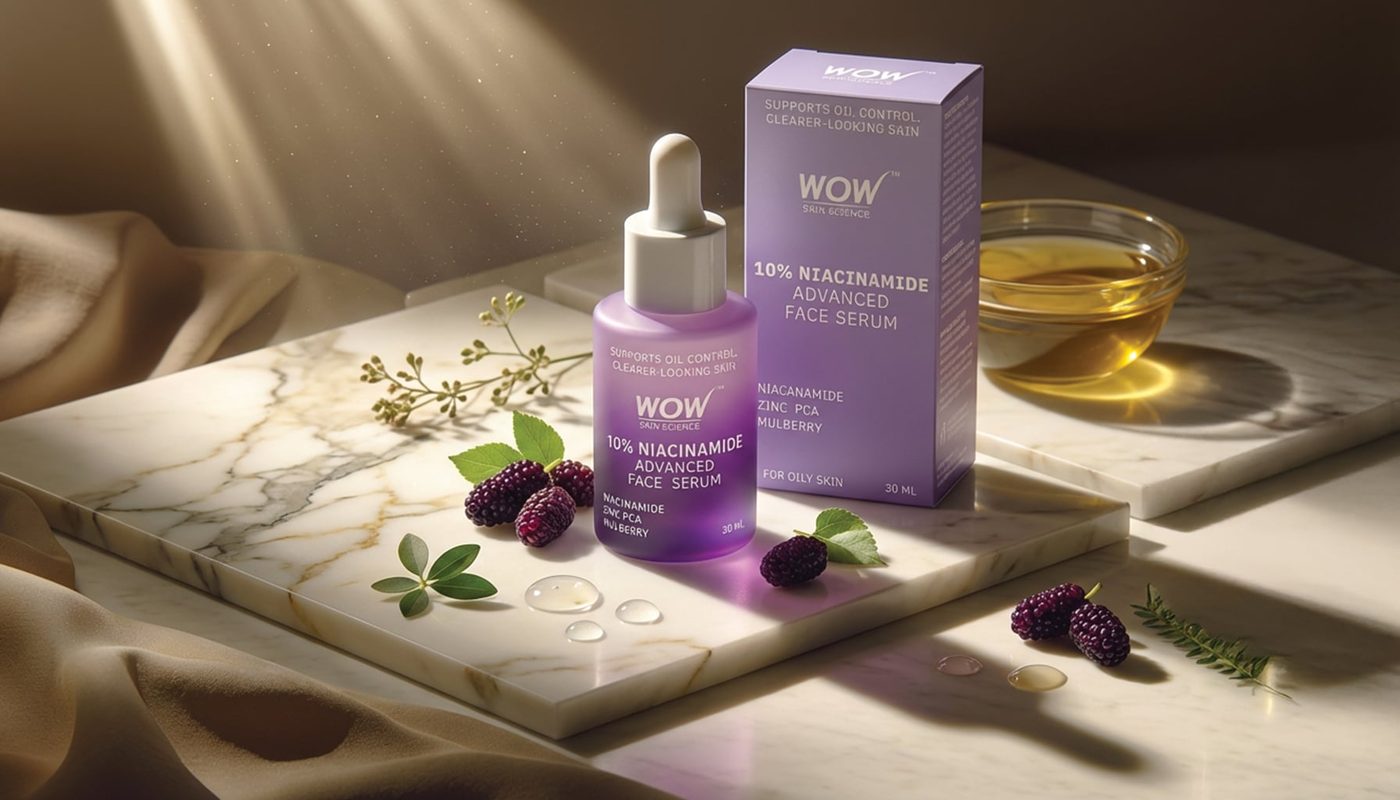
Niacinamide for Beginners: Complete Vitamin B3 Guide
Discover why dermatologists recommend niacinamide for stubborn pores and uneven skin tone. This vitamin B3 guide shows you how to use this hero ingredient effectively.
WOW Skin Science Editorial Team
Beauty experts sharing science-backed skincare tips.
Niacinamide for Beginners: Complete Vitamin B3 Guide
Remember those stubborn pores that just won't budge? Or that uneven skin tone that no amount of fairness cream seems to fix? There's a reason dermatologists keep talking about one particular ingredient — niacinamide. This vitamin B3 derivative has quietly become the hero ingredient in skincare, especially for Indian skin dealing with humidity, pollution, and strong sun.
What is Niacinamide? Understanding Vitamin B3 for Skin
Niacinamide is the skincare name for vitamin B3. Your body actually needs this vitamin to function properly. When you apply it to your skin, something magical happens. It strengthens your skin barrier, reduces inflammation, and helps control oil production.
Think of niacinamide as your skin's personal trainer. It makes your skin cells work better, produce less oil, and stay healthier overall. The best part? Unlike many active ingredients, niacinamide plays well with almost everything else in your routine.
The Science Behind Niacinamide
Here's what makes niacinamide special. When it penetrates your skin, it boosts NAD+ production — these are energy molecules your skin cells need to repair themselves. More NAD+ means healthier skin cells. Healthier skin cells mean fewer breakouts, less pigmentation, and smoother texture.
Niacinamide also increases ceramide production. Ceramides are like the cement between your skin cells. More ceramides equal a stronger skin barrier. A stronger barrier means your skin holds moisture better and fights off irritants more effectively.
Niacinamide vs. Niacin: What's the Difference?
Both are forms of vitamin B3, but they behave differently on your skin. Niacin (nicotinic acid) can cause flushing — that red, warm feeling some people get. Niacinamide doesn't cause this reaction. That's why skincare products use niacinamide instead of niacin.
Your skin converts niacin to niacinamide anyway. So why not skip the middleman and potential irritation? That's exactly what good skincare formulations do.
Top 10 Benefits of Niacinamide for Your Skin
Minimizes pores — Makes them look smaller by regulating oil production
Controls sebum — Perfect for oily skin in humid Indian weather
Fades dark spots — Reduces melanin transfer for even skin tone
Fights acne — Anti-inflammatory properties calm angry breakouts
Strengthens barrier — Helps skin retain moisture better
Reduces fine lines — Boosts collagen production naturally
Calms redness — Soothes sensitive and irritated skin
Protects from pollution — Acts as an antioxidant shield
Improves texture — Makes skin smoother over time
Brightens complexion — Gives that healthy glow we all want
Oil Control and Pore Minimization
If you're dealing with oily skin and visible pores, niacinamide might become your new best friend. Research shows that 4% niacinamide can reduce sebum production significantly within 6 weeks. Less oil means pores appear smaller and makeup stays put longer.
For those struggling with acne-prone, oily skin, products like the Shop: Anti-Acne Serum → → combine niacinamide with other acne-fighting ingredients. This targeted approach helps control breakouts while minimizing pore appearance.
Anti-Aging and Wrinkle Reduction
Niacinamide stimulates collagen production. More collagen means firmer, plumper skin. Studies show 5% niacinamide can improve skin elasticity and reduce fine lines within 12 weeks. It also helps with those pesky crow's feet and forehead lines.
The ingredient works by improving your skin's natural repair processes. While you sleep, niacinamide helps your skin cells regenerate faster. Wake up to smoother, younger-looking skin — no fancy procedures needed.
Brightening and Dark Spot Treatment
Post-acne marks driving you crazy? Niacinamide interrupts melanin transfer to skin cells. This means existing dark spots fade faster and new ones form less frequently. Clinical studies show 4% niacinamide can reduce hyperpigmentation by up to 25% in 8 weeks.
For Indian skin that's prone to pigmentation, this is huge. Whether it's melasma, sun spots, or acne marks, niacinamide tackles them all without the irritation of stronger brightening agents.
How to Use Niacinamide: A Beginner's Step-by-Step Guide
Starting with niacinamide doesn't have to be complicated. Follow these simple steps for best results:
Start slow — Begin with 2-5% concentration
Patch test — Apply behind your ear for 24 hours
Apply to clean skin — After cleansing, before heavier products
Use pea-sized amount — A little goes a long way
Build tolerance — Start 3x weekly, then increase
Morning vs. Evening Application
Good news — niacinamide works any time of day. Morning application helps control oil throughout the day and provides antioxidant protection. Evening use supports skin repair while you sleep.
My recommendation? Start with evening application. Once your skin adjusts, add morning use too. Unlike retinol or AHAs, niacinamide doesn't make your skin sun-sensitive.
Proper Application Techniques
After cleansing, pat your skin dry. Wait 30 seconds. Apply niacinamide serum with gentle upward strokes. Don't rub — let it absorb naturally. Follow with moisturizer after 2-3 minutes.
For targeted treatment of acne or dark spots, you can spot-apply higher concentrations. Just be careful not to overdo it. More isn't always better with active ingredients.
Concentration Guidelines for Beginners
| Skin Type | Starting % | Maximum % | Frequency | |-----------|------------|-----------|-----------| | Sensitive | 2% | 5% | Every other day | | Normal | 5% | 10% | Daily | | Oily | 5% | 10% | Twice daily | | Acne-prone | 4% | 10% | Daily |
Most people see results with 5% concentration. Higher percentages work faster but may cause irritation initially. Listen to your skin — if it feels tight or looks red, reduce frequency.
What to Mix (and Not Mix) with Niacinamide
Niacinamide is the friendly neighbor of skincare ingredients. It gets along with almost everyone. But knowing the right combinations maximizes benefits.
Best Ingredient Combinations
Niacinamide + Hyaluronic Acid = Ultimate hydration boost Both ingredients strengthen your skin barrier. Use niacinamide first, then hyaluronic acid.
Niacinamide + Retinol = Anti-aging powerhouse Niacinamide actually reduces retinol irritation. Perfect for beginners starting their anti-aging journey.
Niacinamide + Salicylic Acid = Acne-fighting duo This combination targets acne from multiple angles. Products like the Shop: Anti-Acne Serum → → often combine these for maximum effectiveness.
Ingredients to Avoid or Use Carefully
Despite what you might have heard, niacinamide works fine with vitamin C. The old advice about avoiding this combination comes from outdated research. Modern formulations are stable together.
However, avoid mixing niacinamide with:
Pure L-ascorbic acid at low pH (use at different times)
High-strength acids (AHA/BHA above 10%)
Benzoyl peroxide (can reduce effectiveness)
Building Your Skincare Routine

A simple routine works best:
Morning:
Gentle cleanser
Niacinamide serum
Moisturizer
Sunscreen
Evening:
Oil cleanser (if wearing makeup)
Water-based cleanser
Niacinamide serum
Retinol (if using)
Moisturizer
Remember, consistency beats complexity. A simple routine you follow daily works better than a 10-step routine you abandon after a week.
Common Niacinamide Myths and Misconceptions Debunked
Myth: Niacinamide Can't Be Used with Vitamin C
This myth refuses to die. Yes, in a petri dish at specific pH levels, they might interact. But on your skin? They work beautifully together. Many dermatologists recommend using both for maximum brightening benefits.
The key is using well-formulated products. If you're worried, use vitamin C in the morning and niacinamide at night. Problem solved.
Myth: Higher Percentages Are Always Better
More niacinamide doesn't mean better results. Studies show benefits plateau around 5%. Higher concentrations might work faster initially but can cause irritation.
Your skin needs time to adjust. Starting with 10% niacinamide when you've never used it before is like running a marathon without training. Build up slowly for sustainable results.
Key Takeaways: Your Niacinamide Cheat Sheet
Start with 2-5% concentration and build up slowly
Use twice daily once your skin adjusts
Combines well with most other ingredients
See results in 4-8 weeks with consistent use
Perfect for oily, acne-prone, and pigmentation-prone skin
No sun sensitivity — safe for daytime use
Patch test first — even gentle ingredients can cause reactions
For beginners dealing with acne and oily skin, starting with a targeted treatment like the Shop: Anti-Acne Serum → → provides multiple benefits in one product. The key is consistency — give any new product at least 6 weeks before judging results.
Frequently Asked Questions About Niacinamide
Can I use niacinamide every day as a beginner?
Start with every other day for the first week. If your skin feels comfortable, increase to daily use. Most people can use niacinamide twice daily without issues. Just watch for signs of irritation like redness or dryness.
How long does it take to see results from niacinamide?
Oil control improves within 2-4 weeks. Pore appearance and texture need 6-8 weeks. Dark spots and fine lines require 8-12 weeks of consistent use. Take before photos — changes happen gradually and you might not notice daily improvements.
Is niacinamide suitable for sensitive skin?
Yes! Niacinamide actually helps sensitive skin by strengthening the barrier. Start with 2% concentration and increase slowly. If you experience irritation, it's usually from other ingredients in the formula, not niacinamide itself.
What percentage of niacinamide should beginners start with?
Begin with 2-5%. This range provides benefits without overwhelming your skin. After 4 weeks, you can increase to 10% if desired. Remember, studies show 4-5% is effective for most concerns.
Can niacinamide cause purging or breakouts?
Niacinamide doesn't cause purging because it doesn't increase cell turnover like retinoids or acids. If you break out after starting niacinamide, check other ingredients in the product. Sometimes the base formula doesn't suit your skin type.
Niacinamide truly deserves its superstar status in skincare. Whether you're battling acne, fighting signs of aging, or just want healthier skin, this vitamin B3 derivative delivers. Start slow, be consistent, and give your skin time to show you the magic of niacinamide.
Enjoyed this article?
Get more beauty tips and skincare guides delivered to your inbox.
Related Articles
WOW Aloe Vera Gel: മിക്കവർ നിഷ്കാസനം ചെയ്യുന്നത്
മിക്കവരും അലോ വെരാ ജെൽ വെറും സൂര്യാഘാതത്തിനായി മാത്രം ഉപയോഗിക്കുന്നു — എന്നാൽ അതിൽ കൂടുതലും ഉണ്ട്. WOW Skin Science ന്റെ ശുദ്ധമായ, അഡിറ്റിവ് രഹിത ഫോർമുല എന്തുകൊണ്ട് വ്യത്യസ്തമാണെന്നും ഈ ശക്തിശാലിയായ ഘടകത്തിൽ നിന്ന് സর്വാധികം പ്രയോജനം നേടുന്നതെങ്ങനെയെന്നും കണ്ടെത്തുക.
WOW Aloe Vera Gel: ಹೆಚ್ಚಿನ ಜನರು ತಪ್ಪಿಸಿಕೊಳ್ಳುವ ವಿಷಯಗಳು
ಹೆಚ್ಚಿನ ಜನರು ಅಲೋ ವೆರಾ ಜೆಲ್ ಅನ್ನು ಸೂರ್ಯನ ಸುಡುವಿಕೆಗೆ ಮಾತ್ರ ಬಳಸುತ್ತಾರೆ — ಆದರೆ ಇದಕ್ಕೆ ಇನ್ನೂ ಬಹಳಷ್ಟು ಇದೆ. WOW Skin Science ನ ಶುದ್ಧ, ಸೇರಿಸಿದ ವಸ್ತುವಿಲ್ಲದ ಸೂತ್ರವು ಏಕೆ ಭಿನ್ನವಾಗಿದೆ ಮತ್ತು ಈ ಶಕ್ತಿಶಾಲಿ ಘಟಕದಿಂದ ಹೆಚ್ಚಿನ ಪ್ರಯೋಜನ ಪಡೆಯುವುದು ಹೇಗೆ ಎಂಬುದನ್ನು ಕಂಡುಹಿಡಿಯಿರಿ.
WOW Aloe Vera Gel: বেছিভাগ মানুহে কি মিছ কৰে
বেছিভাগ মানুহে এলোভেৰা জেল কেৱল ৰ'দত পোৰা ঠাইৰ বাবে ব্যৱহাৰ কৰে — কিন্তু ইয়াৰ আৰু অনেক কিবা আছে। আৱিষ্কাৰ কৰক কিয় WOW Skin Science ৰ বিশুদ্ধ, কোনো সংযোজন নথকা ফৰ্মুলা আলাদা আৰু এই শক্তিশালী উপাদানটোৰ পৰা সৰ্বোচ্চ সুবিধা কেনেকৈ পাব।