
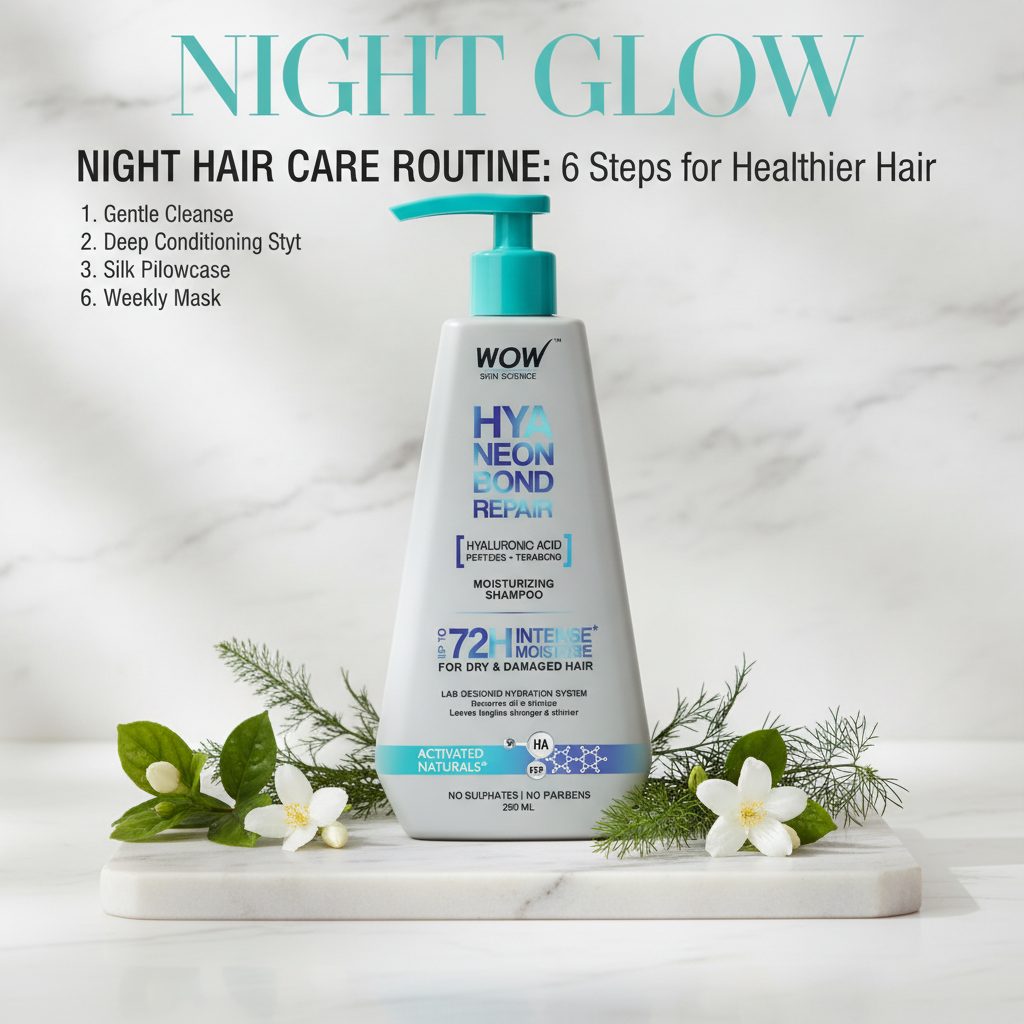
Night Hair Care Routine: 6 Steps for Healthier Hair
Wake up to healthier hair with this proven night routine. Learn how to protect and nourish your hair during sleep for stronger, smoother strands.
WOW Skin Science Editorial Team
Beauty experts sharing science-backed skincare tips.
Night Hair Care: 6 Steps for Healthier Hair While You Sleep
You wake up with a tangled mess on your head. Again. Your hair feels dry, frizzy, and those baby hairs around your hairline seem to have multiplied overnight. Sound familiar?
Here's what most people don't realize: those eight hours of sleep can either damage your hair or help it recover and grow stronger. The difference lies in what you do before hitting the pillow.
Why Night Hair Care Is Essential for Hair Health
Your hair goes through a lot while you sleep. Understanding what happens during those precious hours can transform your hair game completely.
Hair Repair During Sleep Cycles
Your body works overtime during sleep. Cell regeneration peaks between 10 PM and 2 AM. This includes your hair follicles. They absorb nutrients, repair damage from the day, and prepare for new growth.
Blood flow to your scalp increases during deep sleep phases. This brings oxygen and nutrients to hair roots. Your hair literally feeds itself while you dream.
But here's the catch - without proper preparation, your hair spends these crucial hours fighting friction, losing moisture, and breaking against rough pillowcases.
Common Night-Time Hair Damage
Tossing and turning creates friction. Cotton pillowcases act like sandpaper on your hair cuticles. The result? Frizz, tangles, and those annoying flyaways.
Your hair also loses moisture overnight. Central AC or heating makes it worse. Dry indoor air pulls moisture from your strands, leaving them brittle by morning.
Tight ponytails or hair ties cut off circulation. They create dents and weak spots where hair breaks easily. Even sleeping on wet hair can stretch and damage the hair shaft.
Step 1: Gentle Cleansing Before Bed
Clean hair recovers better. But timing and technique matter more than you think.
When to Wash Hair at Night
Washing hair 2-3 hours before bed works best. This gives enough time for air drying without going to bed with soaking wet hair.
Skip night washing if you're too tired to dry your hair properly. Wet hair is fragile. It stretches, breaks, and can even develop fungal issues when trapped against a damp pillow.
For oily scalps, a gentle night cleanse removes excess sebum and pollution. This prevents clogged follicles and lets your scalp breathe overnight.
Choosing the Right Night-Time Shampoo
Night washing calls for gentler formulas. Heavy clarifying shampoos can strip natural oils your hair needs for overnight repair.
Look for sulfate-free options with nourishing ingredients. Something like the Onion Shampoo works brilliantly here - onion extract boosts circulation while you sleep, and the mild formula doesn't over-strip your hair.
Shop: Onion Shampoo for Hair Fall → →
Use lukewarm water, not hot. Hot water opens cuticles too much, making hair vulnerable to overnight friction damage.
Step 2: Deep Conditioning Treatment
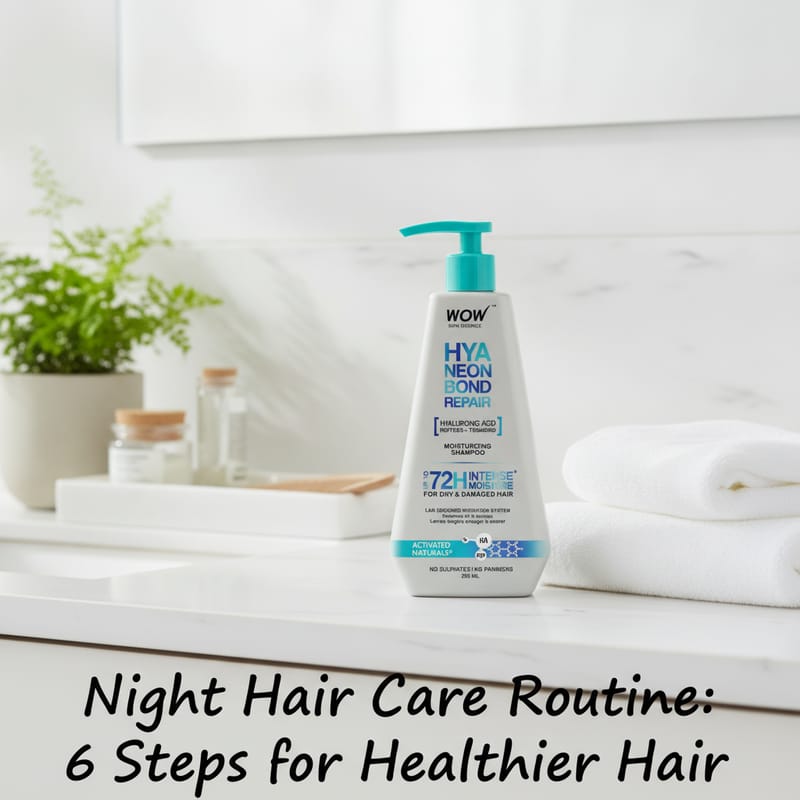
Night time is prime time for deep conditioning. Your hair has hours to absorb nutrients without environmental stressors.
Leave-In vs Rinse-Out Conditioners
Rinse-out conditioners work for most hair types. Apply from mid-length to ends, leave for 3-5 minutes, then rinse thoroughly.
Leave-in conditioners suit dry or damaged hair. They form a protective layer that fights friction and locks in moisture overnight. Just avoid the roots to prevent greasiness.
For chemically treated hair, protein treatments once a week can work wonders overnight. They fill in damaged spots in the hair shaft while you sleep.
DIY Overnight Hair Masks
My grandmother's coconut oil champi still beats most modern treatments. Warm coconut oil penetrates deep into hair shafts, providing intense moisture.
For an protein boost, mix one egg with two tablespoons of curd. Apply to damp hair, cover with a shower cap, and rinse in the morning. The smell isn't great, but your hair will thank you.
Banana and honey masks work brilliantly for dry hair. Mash one ripe banana with a tablespoon of honey. This potassium-rich treatment softens even the most stubborn tangles.
Step 3: Scalp Care and Massage
Your scalp needs as much attention as your hair strands. Maybe more.
Benefits of Night-Time Scalp Massage
Five minutes of scalp massage before bed does wonders. It boosts blood circulation, bringing nutrients to hair follicles. It also relieves the day's stress - a major culprit behind hair fall.
Use your fingertips, not nails. Move in small circles, covering your entire scalp. Pay extra attention to areas where you feel tension.
This simple ritual can increase hair thickness over time. Studies show regular scalp massage can increase hair density by stretching the cells of hair follicles.
Natural Scalp Treatments
Aloe vera soothes irritated scalps beautifully. Its cooling properties calm inflammation while enzymes remove dead skin cells. Pure aloe vera gel massaged into the scalp before bed can reduce dandruff and itching.
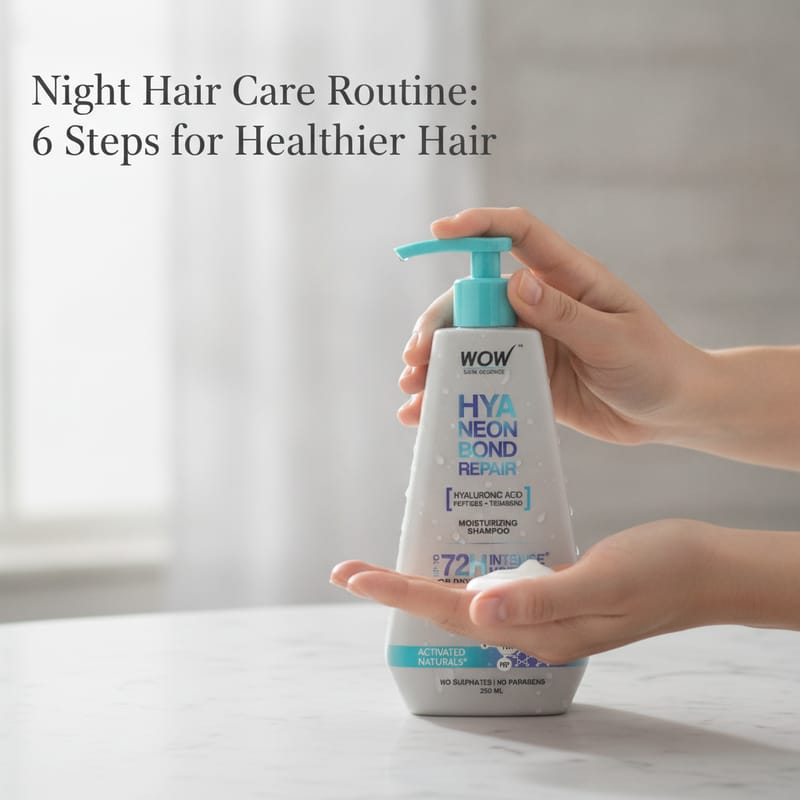
Tea tree oil mixed with a carrier oil fights fungal issues. Just 2-3 drops in a tablespoon of coconut oil creates a powerful anti-dandruff treatment.
Neem oil, though smelly, works wonders for scalp infections. Mix with coconut oil to dilute the strong scent and reduce its potency.
Step 4: Protective Hairstyling
How you arrange your hair for sleep matters more than any product you use.
Best Overnight Hairstyles by Hair Type
For straight hair: A loose, low ponytail with a silk scrunchie prevents tangles without creating dents.
For wavy hair: The "pineapple" method works best. Gather hair loosely at the very top of your head. This preserves wave patterns.
For curly hair: Satin bonnets or buff wraps protect curl patterns. Alternatively, spread curls on the pillow above your head.
For long hair: A loose braid prevents massive tangles. Start below the nape of your neck to avoid tension on roots.
Avoiding Tension and Breakage
Never sleep with tight hairstyles. That sleek bun might look neat, but it's pulling on your follicles for eight straight hours.
Replace elastic bands with silk scrunchies or spiral hair ties. They grip without pulling or creating creases.
For short hair, simply ensure it's completely dry and use a silk pillowcase. No styling needed - let it breathe freely.
Step 5: Choose the Right Pillowcase
Your pillowcase touches your hair for one-third of your life. Choose wisely.
Silk vs Satin vs Cotton

Silk is the gold standard. Its smooth surface creates minimal friction. Natural silk also doesn't absorb moisture from your hair.
Satin offers similar benefits at a lower price. While not as breathable as silk, it still reduces friction significantly.
Cotton is the worst choice for hair. Its rough texture causes friction and absorbs natural oils from your hair and skin.
Can't afford silk pillowcases? Wrap your hair in a silk scarf. You'll get similar benefits without the investment.
Pillow Hygiene for Hair Health
Change pillowcases twice a week minimum. Oil, dead skin cells, and product buildup create a breeding ground for bacteria.
Wash pillowcases in hot water to kill dust mites and bacteria. Add a few drops of tea tree oil to your wash for extra antimicrobial action.
For acne-prone scalps, change pillowcases every other day. This prevents oil transfer that can clog follicles along your hairline.
Step 6: Internal Hair Health Support
Beautiful hair starts from within. What you consume before bed affects morning hair health.
Nutrients for Overnight Hair Recovery
Your body repairs hair using specific nutrients. Protein forms the building blocks. B-vitamins help create red blood cells that carry nutrients to follicles.
Omega-3 fatty acids nourish hair follicles from within. They reduce inflammation that can trigger hair loss and add shine to dull strands. Taking omega-3 supplements with dinner gives your body time to absorb and utilize them overnight.
Iron deficiency is a hidden cause of hair loss, especially in Indian women. If you're vegetarian, pair iron-rich foods with vitamin C for better absorption.
Hydration and Hair Growth
Drink a glass of water an hour before bed. Not right before - that'll have you running to the bathroom at 3 AM.
Proper hydration helps transport nutrients to hair follicles. It also maintains the moisture balance in your scalp.
Herbal teas like chamomile or green tea provide antioxidants that fight free radical damage. Just finish drinking 2 hours before sleep to avoid midnight bathroom trips.
Key Takeaways
Your night hair care routine doesn't need to be complicated. Here's your quick reference guide:
Cleanse gently 2-3 hours before bed with a mild shampoo
Deep condition weekly with natural masks or quality conditioners
Massage your scalp for 5 minutes to boost circulation
Style hair loosely to prevent tension and breakage
Use silk or satin pillowcases to reduce friction
Support from within with proper nutrition and hydration
Dos:
Air dry hair completely before sleeping
Use silk scrunchies for loose styles
Change pillowcases twice weekly
Apply scalp treatments before bed
Take hair supplements with dinner
Don'ts:
Sleep with wet hair
Use tight elastics or clips
Skip the scalp massage
Forget to hydrate
Use cotton pillowcases if you have dry hair
Frequently Asked Questions
Should I sleep with wet hair?
Never. Wet hair is extremely fragile and stretches up to 30% more than dry hair. This leads to breakage. Wet scalp against a pillow can also develop fungal infections. Always air dry or blow dry on cool setting before bed.
How often should I do an overnight hair treatment?
Once or twice a week is plenty. Over-treating can make hair limp and greasy. Dry, damaged hair benefits from twice-weekly treatments. Normal hair needs just once a week. Listen to your hair - it'll tell you what it needs.
Can I use regular conditioner as a leave-in treatment?
Most regular conditioners are too heavy for leave-in use. They're formulated to be rinsed out. Using them as leave-ins can weigh hair down and clog follicles. Stick to products specifically designed as leave-ins - they have lighter formulas.
What's the best way to protect braids while sleeping?
Wrap braids in a silk or satin scarf. This prevents frizz and keeps edges neat. For box braids or heavier styles, use a satin bonnet that fully covers all braids. Sleep on a satin pillowcase as backup protection.
Do silk pillowcases really make a difference for hair health?
Absolutely. The smooth surface reduces friction by up to 43% compared to cotton. Less friction means fewer tangles, less frizz, and reduced breakage. You'll notice the difference within a week - especially if you have dry or processed hair.
Remember, consistency beats perfection. Pick 2-3 steps that work for your lifestyle and stick with them. Your morning hair will transform from a tangled mess to smooth, manageable locks that need minimal styling. Sweet dreams and even sweeter hair await!
Enjoyed this article?
Get more beauty tips and skincare guides delivered to your inbox.
Related Articles

WOW Skin Science: ਸਕਿਨਕੇਅਰ ਬਾਰੇ ਜ਼ਿਆਦਾਤਰ ਲੋਕ ਕੀ ਭੁੱਲ ਜਾਂਦੇ ਹਨ
ਸਿਰਫ ਪ੍ਰੋਡਕਟ ਹੋਣਾ ਇੱਕ ਰਣਨੀਤੀ ਹੋਣੇ ਵਰਗਾ ਨਹੀਂ ਹੈ। ਜ਼ਿਆਦਾਤਰ ਸਕਿਨਕੇਅਰ ਰੁਟੀਨ ਖਰਾਬ ਪ੍ਰੋਡਕਟਸ ਦੀ ਵਜ੍ਹਾ ਨਹੀਂ, ਬਲਕਿ ਲੇਅਰਿੰਗ, ਟਾਈਮਿੰਗ ਅਤੇ ਉਮੀਦਾਂ ਵਿੱਚ ਛੋਟੀਆਂ, ਠੀਕ ਕੀਤੀਆਂ ਜਾ ਸਕਣ ਵਾਲੀਆਂ ਗਲਤੀਆਂ ਦੀ ਵਜ੍ਹਾ ਨਾਲ ਫੇਲ ਹੁੰਦੇ ਹਨ।
WOW Skin Science: ତ୍ୱଚା ପରିଚର୍ଯ୍ୟା ବିଷୟରେ ଅଧିକାଂଶ ଲୋକ କ'ଣ ମିସ୍ କରନ୍ତି
ପଣ୍ୟ ରହିବା ଏବଂ ଏକ ରଣନୀତି ରହିବା ସମାନ ନୁହେଁ। ଅଧିକାଂଶ ତ୍ୱଚା ପରିଚର୍ଯ୍ୟା ରୁଟିନ ଖରାପ ପଣ୍ୟ 때문୍ନେ ବିଫଳ ହୁଏ ନାହିଁ, ବରଂ ସ୍ତରିତ, ସମୟ ଏବଂ ଆଶାବାଦରେ ଛୋଟ, ସଂଶୋଧନୀୟ ତ୍ରୁଟି때문୍ନେ ବିଫଳ ହୁଏ।
WOW Skin Science: ಸ್ಕಿನ್ಕೇರ್ನಲ್ಲಿ ಹೆಚ್ಚಿನ ಜನರು ಮಿಸ್ ಮಾಡುವ ವಿಷಯಗಳು
ಉತ್ಪನ್ನಗಳನ್ನು ಹೊಂದಿರುವುದು ಮತ್ತು ಒಂದು ಕೌಶಲ್ಯವನ್ನು ಹೊಂದಿರುವುದು ಒಂದೇ ಅಲ್ಲ. ಹೆಚ್ಚಿನ ಸ್ಕಿನ್ಕೇರ್ ದಿನಚರ್ಯೆಗಳು ಕೆಟ್ಟ ಉತ್ಪನ್ನಗಳ ಕಾರಣದಿಂದ ವಿಫಲವಾಗುವುದಿಲ್ಲ, ಆದರೆ ಲೇಯರಿಂಗ್, ಸಮಯ ಮತ್ತು ನಿರೀಕ್ಷೆಗಳಲ್ಲಿನ ಸಣ್ಣ, ಸರಿಪಡಿಸಬಹುದಾದ ತಪ್ಪುಗಳ ಕಾರಣದಿಂದ ವಿಫಲವಾಗುತ್ತವೆ.