

Serum for Face: What Most People Miss (2024 Guide)
Most people either skip face serums or use them wrong. Learn the truth about this powerful skincare step and avoid the five mistakes that sabotage your results.
WOW Skin Science Editorial Team
Beauty experts sharing science-backed skincare tips.
Serum for Face: What Most People Miss (2024 Guide)
Your moisturizer sits on top of your skin like a raincoat. Your serum? It dives deep, carrying potent ingredients where they actually work. Yet most people either skip serums entirely or use them completely wrong.
Here's the truth: if you're not using a face serum, you're missing out on the most powerful step in your skincare routine. And if you are using one, there's a good chance you're making at least one of the five mistakes that sabotage your results.
What Makes Face Serums Different (And Why You Need One)
Face serums are lightweight, fast-absorbing liquids packed with concentrated active ingredients. Think of them as the difference between drinking water and taking a vitamin supplement. Both hydrate, but one delivers targeted nutrition your body actually needs.
The magic lies in molecular size. Serum molecules are tiny — small enough to penetrate the deeper layers of your skin. Moisturizers have larger molecules designed to seal and protect the surface. That's why your ₹2000 night cream might feel luxurious but deliver fewer visible results than a ₹649 serum.
Serum vs Moisturizer: The Real Difference
Texture: Serums are water-based or oil-based liquids; moisturizers are creams or lotions
Function: Serums treat specific concerns (acne, pigmentation, aging); moisturizers hydrate and protect
Concentration: Serums contain 70% active ingredients; moisturizers contain 5-10%
Absorption: Serums sink in within seconds; moisturizers sit on the surface
When to use: Serums go on clean skin first; moisturizers seal everything in
You need both. Your serum does the heavy lifting. Your moisturizer locks those actives in and prevents water loss. Skipping either means you're only doing half the job.
The 5 Critical Mistakes That Waste Your Money
Mistake #1: Drowning Your Face in Product
More serum doesn't mean better results. It means wasted product and potential irritation. Two to three drops — that's it. A pea-sized amount covers your entire face and neck. Serums are concentrated. A little goes incredibly far.
Mistake #2: Applying in Random Order
Your skincare layering matters more than you think. The rule is simple: thinnest to thickest consistency. After cleansing, apply your serum first while skin is slightly damp. Wait 30-60 seconds for absorption. Then moisturizer. Then sunscreen in the morning. Products like the Advanced 10% Niacinamide Face Serum work best on clean, barely-damp skin when nothing blocks their path.
Shop: Advanced 10% Niacinamide Face Serum → →
Mistake #3: Choosing the Wrong Active Ingredient
Oily skin needs salicylic acid or niacinamide, not heavy oils. Dry skin craves hyaluronic acid, not more acids. Aging skin responds to retinol and peptides. Match your serum to your primary concern, not what's trending on Instagram.
Mistake #4: Giving Up After Two Weeks
Your skin cells take 28 days to turn over. Most serums need 4-6 weeks minimum to show visible changes. Retinol can take 12 weeks. Expecting overnight miracles is like planting a seed and digging it up the next day to check for roots.
Mistake #5: Mixing Ingredients That Fight Each Other
Vitamin C and retinol together? That's a chemical war on your face. Niacinamide and vitamin C at the same time used to be considered problematic (though newer research suggests they're fine). AHAs and retinol together? Hello, irritation. Some combinations are powerful. Others are damaging.
Choosing Your Serum Based on What Your Skin Actually Needs
For Oily, Acne-Prone Skin
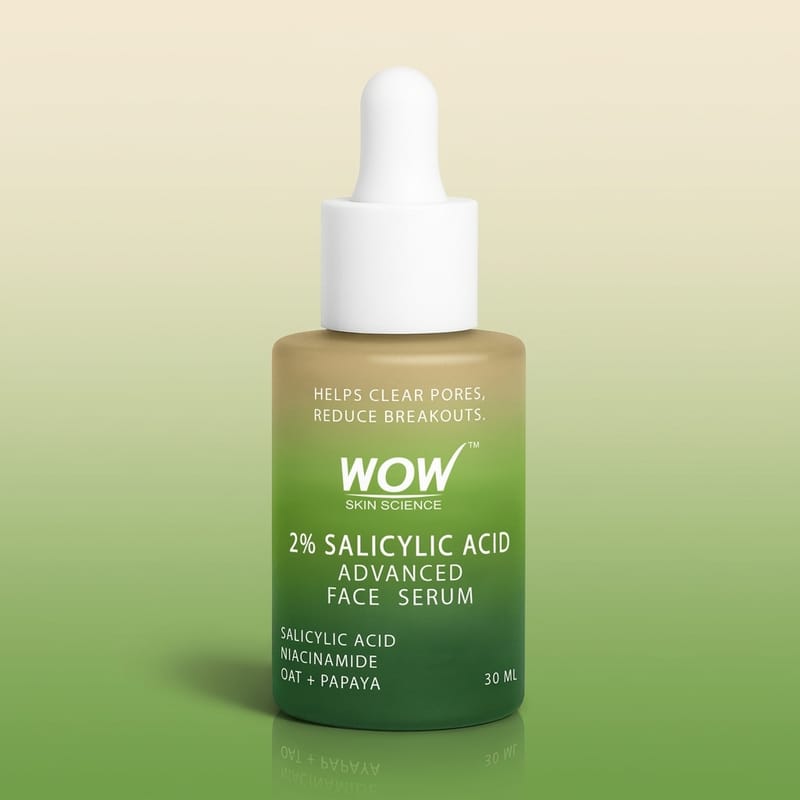
Your skin produces excess sebum. Pores get clogged. Bacteria multiply. You need ingredients that control oil and keep pores clear. Salicylic acid is your best friend — it's oil-soluble, so it dives into pores and dissolves the gunk inside.
Look for 2% salicylic acid concentration. Higher percentages can irritate without adding benefits. Niacinamide at 5-10% also helps regulate sebum production while reducing inflammation. These ingredients work beautifully in humid Indian climates where oil production goes into overdrive.
For Dry, Dehydrated Skin
You need hydration magnets. Hyaluronic acid holds 1000 times its weight in water — it pulls moisture from the air into your skin. Glycerin and ceramides repair your moisture barrier. Avoid alcohol-based serums that strip natural oils.
Apply your hydrating serum to damp skin. It needs water molecules to grab onto. In dry climates like Delhi in winter, layer a hyaluronic serum under your moisturizer, then seal with a facial oil.
For Aging Skin and Fine Lines
Retinol remains the gold standard. It speeds cell turnover, boosts collagen production, and smooths texture. Start with 0.3% concentration if you're new to retinol. Your skin needs time to adjust. Products like the Advanced 0.3% Retinol Face Serum deliver results without overwhelming sensitive skin.
Shop: Advanced 0.3% Retinol Face Serum → →
Peptides and vitamin C complement retinol beautifully. Use vitamin C in the morning for antioxidant protection. Save retinol for nighttime.
For Combination and Sensitive Skin
Niacinamide is your multitasker. It balances oil in your T-zone while hydrating dry patches. It strengthens your skin barrier, reducing sensitivity over time. Start with 5-10% concentration. Centella asiatica (cica) and azelaic acid also soothe while treating concerns.
The Power Ingredients Everyone Should Know About
Niacinamide: The Multitasking Hero
This vitamin B3 derivative does everything. It controls oil production, fades dark spots, minimizes pores, reduces inflammation, and strengthens your moisture barrier. Research shows 5% concentration delivers results, but 10% works faster for stubborn concerns.
Niacinamide plays well with almost every other ingredient. Use it morning and night. It's stable, gentle, and perfect for Indian skin that battles both oil and pigmentation.
Retinol: Your Skin's Reset Button
Retinol speeds up cell turnover, pushing fresh cells to the surface while clearing dead ones. It builds collagen, fades pigmentation, and smooths fine lines. Start slow — twice a week for the first month. Gradually increase to nightly use as your skin adapts.
Always use retinol at night. Sunlight deactivates it. Always follow with SPF in the morning. Retinol makes your skin more sun-sensitive.
Salicylic Acid: The Pore Cleaner
This beta-hydroxy acid (BHA) cuts through oil like nothing else. It exfoliates inside your pores, not just on the surface. Perfect for acne, blackheads, and congested skin. Use 2% concentration for daily use. My cousin swears by salicylic acid for her monthly hormonal breakouts — it's the only thing that keeps them manageable.
Other Essential Actives
Hyaluronic Acid: Hydration powerhouse for all skin types
Vitamin C: Brightens, protects against pollution, boosts collagen
Peptides: Signal your skin to produce more collagen and elastin
AHAs (Glycolic/Lactic Acid): Surface exfoliation for glow and texture
Your Step-by-Step Serum Application Routine
Morning Routine
Cleanse with lukewarm water
Apply vitamin C or niacinamide serum to damp skin (2-3 drops)
Wait 60 seconds for absorption
Apply moisturizer
Finish with broad-spectrum SPF 30 or higher
Keep morning serums focused on protection — antioxidants that fight pollution and UV damage. Mumbai's pollution levels make vitamin C non-negotiable.
Evening Routine
Double cleanse (oil cleanser, then water-based cleanser)
Apply treatment serum (retinol, salicylic acid, or AHA) to dry skin
Wait 2-3 minutes for full absorption
Layer hydrating serum if needed
Seal with night moisturizer or facial oil
Layering Multiple Serums
Yes, you can use multiple serums. Here's the order:
Thinnest consistency first (water-based serums)
Thicker serums next (oil-based or emulsions)
Wait 30-60 seconds between each layer
Never exceed three serums at once — your skin has limits
Avoid mixing actives that cancel each other out. Keep vitamin C for mornings, retinol for nights. Use AHAs and BHAs on alternate nights if you're using both.
When Results Actually Happen (And How to Track Them)
Realistic Timelines
Hydration: 1-2 days (hello, hyaluronic acid)
Oil control: 2-3 weeks
Active breakouts: 4-6 weeks
Dark spots and pigmentation: 8-12 weeks
Fine lines and texture: 12+ weeks
Deep wrinkles: 6-12 months of consistent use
Patience isn't optional. Your skin doesn't read marketing claims. It follows biology.
Signs Your Serum is Working
Skin feels smoother within two weeks
Makeup applies more evenly
Pores look smaller (they're actually just cleaner)
Fewer new breakouts forming
Old acne marks gradually fading
Skin tone becoming more even
Red Flags Something's Wrong
Persistent burning or stinging beyond initial tingling
New breakouts appearing after 6-8 weeks (not purging anymore)
Excessive dryness, flaking, or peeling
Redness that doesn't calm down
Increased sensitivity to products you previously tolerated
Take progress photos in the same lighting every two weeks. Your brain forgets what your skin looked like last month. Photos don't lie.
Frequently Asked Questions
Can I use face serum every day?
Yes, most serums are designed for daily use. Hydrating serums (hyaluronic acid, niacinamide) work best twice daily. Active treatment serums (retinol, strong acids) might start at 2-3 times weekly, building to daily use as your skin adapts.
Should I use serum in the morning or at night?
Both, but different types. Morning serums should protect (vitamin C, niacinamide, antioxidants). Night serums should repair (retinol, AHAs, peptides). Your skin has different needs at different times.
How many drops of face serum should I use?
Two to three drops for your entire face and neck. Serums are concentrated — more product doesn't equal better results. It equals wasted money and potential irritation.
Can I mix different serums together?
You can layer them, but don't mix them in your palm. Apply one, let it absorb, then apply the next. Some combinations work beautifully (niacinamide + hyaluronic acid). Others fight (retinol + vitamin C at the same time).
Do I need moisturizer if I use serum?
Absolutely yes. Serums deliver actives deep into skin. Moisturizers seal them in and prevent water loss. Think of serum as the treatment and moisturizer as the protective seal. You need both to see real results.
Enjoyed this article?
Get more beauty tips and skincare guides delivered to your inbox.
Related Articles
WOW Science: ତ୍ୱଚା ଯତ୍ନ ବିଷୟରେ ଅଧିକାଂଶ ଲୋକ କ'ଣ ମିସ୍ କରନ୍ତି
ଅଧିକାଂଶ ତ୍ୱଚା ଯତ୍ନ ବିଫଳ ହୁଏ କାରଣ ବ୍ରାଣ୍ଡଗୁଡ଼ିକ ପ୍ରମାଣିତ ବିଜ୍ଞାନ ଅପେକ୍ଷା ଟ୍ରେଣ୍ଡି ଉପାଦାନ ଉପରେ ଧ୍ୟାନ ଦେଇଥାନ୍ତି। WOW science ବିଷୟରେ ଜାଣନ୍ତୁ—ସଠିକ ଏକାଗ୍ରତା, ଫର୍ମୁଲେସନ ଏବଂ ତ୍ୱଚା ବାରିୟର ବୋଝାପଡ଼ା ଯାହା ଉତ୍ପାଦଗୁଡ଼ିକୁ ପ୍ରକୃତରେ କାର୍ଯ୍ୟ କରାଏ।
WOW Science: ಸ್ಕಿನ್ಕೇರ್ನ ಬಗ್ಗೆ ಹೆಚ್ಚಿನ ಜನರು ಮಿಸ್ ಮಾಡುವ ವಿಷಯಗಳು
ಹೆಚ್ಚಿನ ಸ್ಕಿನ್ಕೇರ್ ಉತ್ಪನ್ನಗಳು ವಿಫಲವಾಗುತ್ತವೆ ಏಕೆಂದರೆ ಬ್ರ್ಯಾಂಡ್ಗಳು ಪ್ರಮಾಣಿತ ವಿಜ್ಞಾನದ ಬದಲಿಗೆ ಟ್ರೆಂಡಿ ಘಟಕಗಳ ಮೇಲೆ ಕೇಂದ್ರೀಕರಿಸುತ್ತವೆ. WOW Science ಬಗ್ಗೆ ತಿಳಿಯಿರಿ—ಸರಿಯಾದ ಸಾಂದ್ರತೆ, ಸೂತ್ರೀಕರಣ ಮತ್ತು ಚರ್ಮದ ತಡೆಗೋಡೆ ಅರ್ಥವು ಉತ್ಪನ್ನಗಳನ್ನು ನಿಜವಾಗಿ ಕೆಲಸ ಮಾಡುತ್ತದೆ.
WOW Science: ਸਕਿਨਕੇਅਰ ਬਾਰੇ ਜ਼ਿਆਦਾਤਰ ਲੋਕ ਕੀ ਮਿਸ ਕਰਦੇ ਹਨ
ਜ਼ਿਆਦਾਤਰ ਸਕਿਨਕੇਅਰ ਫੇਲ ਹੁੰਦੀ ਹੈ ਕਿਉਂਕਿ ਬ੍ਰਾਂਡ ਸਾਬਤ ਵਿਗਿਆਨ ਦੀ ਬਜਾਏ ਟ੍ਰੈਂਡੀ ਅੰਗਾਂ 'ਤੇ ਧਿਆਨ ਦਿੰਦੇ ਹਨ। wow science ਬਾਰੇ ਜਾਣੋ—ਸਹੀ ਗਾੜ੍ਹਾਪਣ, ਫਾਰਮੂਲੇਸ਼ਨ, ਅਤੇ ਸਕਿਨ ਬੈਰੀਅਰ ਦੀ ਸਮਝ ਜੋ ਪ੍ਰੋਡਕਟਸ ਨੂੰ ਅਸਲ ਵਿੱਚ ਕੰਮ ਕਰਦੀ ਹੈ।