
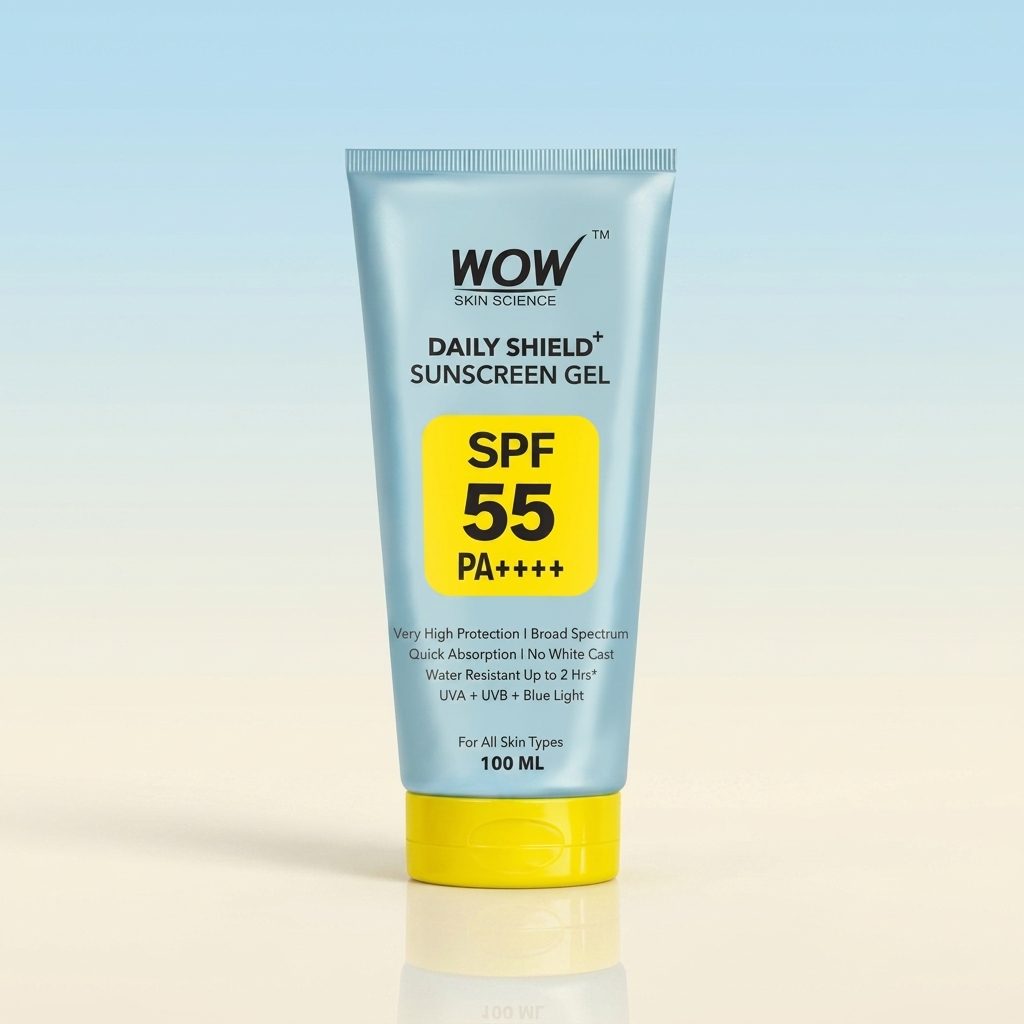
SPF 50 vs SPF 55 Sunscreen: Which One Should You Choose in 2026?
Modern sunscreens protect against UV rays, pollution, and blue light. Learn the actual difference between SPF 50 and SPF 55, why PA++++ ratings matter, and how to choose the right sun protection for Indian summers.
WOW Skin Science Editorial Team
Beauty experts sharing science-backed skincare tips.
Understanding Modern Sun Protection in 2026
Your grandmother probably slathered on coconut oil before heading out. Times have changed. UV radiation has intensified, pollution levels have spiked, and your skin needs smarter protection than ever before.
Modern sunscreens aren't just about blocking rays anymore. They're multi-tasking shields that protect against UV radiation, pollution particles, and even blue light from your screens. The technology has evolved dramatically — goodbye sticky white paste, hello lightweight gels that disappear into your skin.
Why SPF Ratings Actually Matter
SPF measures how well a sunscreen blocks UVB rays (the ones that cause sunburn). SPF 50 blocks about 98% of UVB rays, while SPF 55 blocks slightly more at 98.2%. That tiny difference matters when you're spending hours outdoors in harsh Indian summers.
But here's what most people miss: SPF only tells half the story. You need PA++++ rating too, which measures UVA protection. UVA rays penetrate deeper, causing premature aging and long-term damage. The PA++++ rating means you're getting the highest level of UVA defense available.
How Sunscreen Technology Changed
2026 brought us formulations that actually feel good on Indian skin. Gel-based sunscreens absorb quickly without that greasy film we all hate. They work brilliantly in our humid climate where heavy creams just slide off your face by noon.
Water-resistant formulas now last through sweaty commutes and gym sessions. Quick-absorbing technology means you can apply makeup within minutes. No white cast means all skin tones look natural — finally, sunscreen that doesn't make you look ghostly in photos.
Key Features That Make Today's Sunscreens Better
Lightweight Gel Formulations
Traditional cream sunscreens felt heavy and clogged pores. Gel formulas changed everything. They spread easily, sink in fast, and leave your skin feeling fresh rather than suffocated.
Gel textures work especially well for oily and combination skin types. They provide hydration without adding greasiness. You can layer them under makeup without that dreaded pilling effect.
Zero White Cast Technology
Remember when sunscreen left everyone looking chalky? Modern formulations are completely transparent. They blend seamlessly into all skin tones — from fair to deep brown.
This matters more than cosmetics. When sunscreen looks bad, people skip it. When it's invisible, you actually want to wear it daily. That consistency protects your skin better over time.
Water Resistance That Lasts
Water-resistant sunscreens maintain protection even when you sweat or swim. They're formulated to bind to your skin rather than wash away immediately. Perfect for Mumbai's humidity or Chennai's coastal climate.
Here's what works really well: formulas that combine water resistance with quick absorption. You get staying power without that sticky, uncomfortable feeling.
Shop: Anti-Pollution Sunscreen Gel SPF 50 PA++++ → →
Anti-Pollution Defense
City air contains PM 2.5 particles that penetrate your skin and accelerate aging. Anti-pollution sunscreens create a protective barrier against these microscopic invaders while blocking UV rays.
This dual protection addresses the reality of urban Indian life. You're not just dealing with sun exposure — you're battling traffic fumes, industrial emissions, and construction dust.
Choosing Your SPF Level Wisely
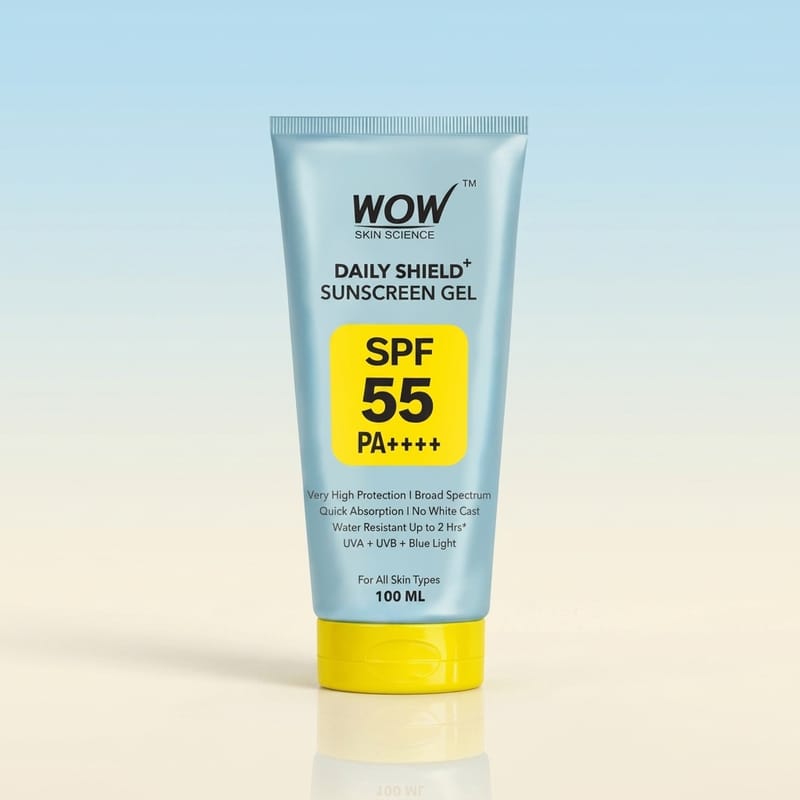
SPF 50 vs SPF 55 Decoded
Both offer excellent protection. SPF 50 blocks 98% of UVB rays, SPF 55 blocks 98.2%. The difference is minimal but meaningful for extended outdoor exposure.
Choose SPF 55 if you work outdoors, play sports, or spend significant time in direct sunlight. SPF 50 works perfectly for regular daily protection with moderate sun exposure.
Understanding PA++++ Protection
PA stands for Protection Grade of UVA rays. Each plus sign represents protection level. PA++++ is the highest rating — it means extremely high UVA protection.
UVA rays cause wrinkles, dark spots, and skin sagging. They penetrate windows and clouds. You need PA++++ protection year-round, not just in summer.
Matching Protection to Your Life
Indoor office workers need daily SPF 50 PA++++. Outdoor professionals benefit from SPF 55 with water resistance. Weekend warriors should reapply every two hours during activities.
Your commute matters too. Driving exposes you to UVA through car windows. Walking to the metro means direct sun exposure. Adjust your protection accordingly.
Shop: Daily Shield Sunscreen Gel SPF 55 PA++++ → →
Sunscreen for Every Skin Type
Gel Formulas for Oily Skin
Oily skin produces excess sebum. Heavy creams make it worse. Gel sunscreens provide protection without adding oil or clogging pores.
Look for non-comedogenic formulas that mattify rather than shine. Your skin stays protected and comfortable all day.
Hydrating Options for Dry Skin
Dry skin needs moisture along with sun protection. Modern gel formulas can deliver both — they're not just for oily skin anymore.
Hydrating sunscreens contain ingredients that lock in moisture while defending against UV damage. They prevent that tight, uncomfortable feeling dry skin gets from traditional sunscreens.
Sensitive Skin Needs
Sensitive skin reacts to fragrances, dyes, and harsh chemicals. Choose fragrance-free formulas with minimal ingredients. Gel textures are generally gentler than creams.
Patch test new sunscreens on your inner arm before applying to your face. Wait 24 hours to check for reactions.
Application Techniques That Actually Work
The Two-Finger Rule
Squeeze sunscreen along two fingers for your face. That's roughly 1/4 teaspoon — the amount dermatologists recommend. Most people use half this amount and wonder why they still tan.
Don't forget your neck, ears, and the back of your hands. These areas show age fastest because we constantly neglect them.
Layering With Skincare
Apply sunscreen as the last step of your morning skincare routine. Let your moisturizer absorb for a minute first. Sunscreen goes on after serums and creams but before makeup.
Quick-absorbing gels make layering easy. They don't interfere with makeup application or cause foundation to slide around.
Reapplication Strategies
Reapply every two hours when outdoors. For indoor days, reapply at lunchtime. Keep a small bottle at your desk or in your bag.
Over makeup? Use a sunscreen spray or powder. Under makeup? Blot excess oil first, then pat on more gel sunscreen gently.
Modern Environmental Challenges
Pollution's Hidden Damage
Delhi's air quality reaches hazardous levels regularly. Mumbai's coastal pollution affects skin health. Pollution particles generate free radicals that destroy collagen and trigger inflammation.
Anti-pollution sunscreens form a protective film that prevents particles from adhering to your skin. They're essential for anyone living in major Indian cities.
Blue Light From Screens
You spend hours staring at phones, laptops, and tablets. Blue light penetrates skin deeply, potentially causing hyperpigmentation and premature aging. Research suggests it may be more damaging than we initially thought.
Some modern sunscreens include blue light filters. Even if yours doesn't, SPF 50+ with PA++++ provides basic protection against screen exposure.
UV Intensity Increasing
Climate change has weakened the ozone layer in some regions. UV radiation reaches Earth more intensely than before. What protected your parents' generation might not be enough for yours.
Higher SPF ratings and broader spectrum protection aren't marketing hype — they're necessary responses to environmental changes.
Key Takeaways for 2026
SPF 50-55 with PA++++ is the gold standard for daily protection in Indian conditions
Gel formulations suit our climate better than heavy creams — they absorb quickly and don't feel greasy
Anti-pollution benefits matter as much as UV protection in urban environments
Proper application means using enough product (two-finger rule) and reapplying every two hours outdoors
Skin type matching ensures you'll actually wear your sunscreen daily — comfort drives consistency
Year-round use is non-negotiable — UV rays damage skin even on cloudy monsoon days
Water resistance helps protection last through humidity, sweat, and brief water exposure
Frequently Asked Questions
What is the difference between SPF 50 and SPF 55?
SPF 50 blocks 98% of UVB rays while SPF 55 blocks 98.2%. The difference is small but meaningful for extended outdoor exposure. Both provide excellent protection when applied correctly and reapplied regularly.
How often should I reapply sunscreen throughout the day?
Reapply every two hours when outdoors or sweating heavily. For indoor days, reapply once at midday. Water-resistant formulas last longer but still need reapplication after swimming or intense exercise.
Can gel sunscreens work for dry skin?
Absolutely. Modern gel formulas include hydrating ingredients that moisturize while protecting. They're lighter than creams but can still provide the hydration dry skin needs. Look for gels specifically formulated with broad-spectrum protection and hydration.
What does PA++++ mean in sunscreen ratings?
PA++++ indicates the highest level of UVA protection available. UVA rays cause aging, dark spots, and deep skin damage. The four plus signs mean extremely high protection — essential for preventing long-term damage.
Do I need sunscreen indoors in 2026?
Yes. UVA rays penetrate windows, and blue light from screens affects your skin. Indoor workers still experience UV exposure from windows and fluorescent lighting. Apply SPF 50 PA++++ daily regardless of where you spend your day.
Enjoyed this article?
Get more beauty tips and skincare guides delivered to your inbox.
Related Articles
WOW Science: ତ୍ୱଚା ଯତ୍ନ ବିଷୟରେ ଅଧିକାଂଶ ଲୋକ କ'ଣ ମିସ୍ କରନ୍ତି
ଅଧିକାଂଶ ତ୍ୱଚା ଯତ୍ନ ବିଫଳ ହୁଏ କାରଣ ବ୍ରାଣ୍ଡଗୁଡ଼ିକ ପ୍ରମାଣିତ ବିଜ୍ଞାନ ଅପେକ୍ଷା ଟ୍ରେଣ୍ଡି ଉପାଦାନ ଉପରେ ଧ୍ୟାନ ଦେଇଥାନ୍ତି। WOW science ବିଷୟରେ ଜାଣନ୍ତୁ—ସଠିକ ଏକାଗ୍ରତା, ଫର୍ମୁଲେସନ ଏବଂ ତ୍ୱଚା ବାରିୟର ବୋଝାପଡ଼ା ଯାହା ଉତ୍ପାଦଗୁଡ଼ିକୁ ପ୍ରକୃତରେ କାର୍ଯ୍ୟ କରାଏ।
WOW Science: ಸ್ಕಿನ್ಕೇರ್ನ ಬಗ್ಗೆ ಹೆಚ್ಚಿನ ಜನರು ಮಿಸ್ ಮಾಡುವ ವಿಷಯಗಳು
ಹೆಚ್ಚಿನ ಸ್ಕಿನ್ಕೇರ್ ಉತ್ಪನ್ನಗಳು ವಿಫಲವಾಗುತ್ತವೆ ಏಕೆಂದರೆ ಬ್ರ್ಯಾಂಡ್ಗಳು ಪ್ರಮಾಣಿತ ವಿಜ್ಞಾನದ ಬದಲಿಗೆ ಟ್ರೆಂಡಿ ಘಟಕಗಳ ಮೇಲೆ ಕೇಂದ್ರೀಕರಿಸುತ್ತವೆ. WOW Science ಬಗ್ಗೆ ತಿಳಿಯಿರಿ—ಸರಿಯಾದ ಸಾಂದ್ರತೆ, ಸೂತ್ರೀಕರಣ ಮತ್ತು ಚರ್ಮದ ತಡೆಗೋಡೆ ಅರ್ಥವು ಉತ್ಪನ್ನಗಳನ್ನು ನಿಜವಾಗಿ ಕೆಲಸ ಮಾಡುತ್ತದೆ.
WOW Science: ਸਕਿਨਕੇਅਰ ਬਾਰੇ ਜ਼ਿਆਦਾਤਰ ਲੋਕ ਕੀ ਮਿਸ ਕਰਦੇ ਹਨ
ਜ਼ਿਆਦਾਤਰ ਸਕਿਨਕੇਅਰ ਫੇਲ ਹੁੰਦੀ ਹੈ ਕਿਉਂਕਿ ਬ੍ਰਾਂਡ ਸਾਬਤ ਵਿਗਿਆਨ ਦੀ ਬਜਾਏ ਟ੍ਰੈਂਡੀ ਅੰਗਾਂ 'ਤੇ ਧਿਆਨ ਦਿੰਦੇ ਹਨ। wow science ਬਾਰੇ ਜਾਣੋ—ਸਹੀ ਗਾੜ੍ਹਾਪਣ, ਫਾਰਮੂਲੇਸ਼ਨ, ਅਤੇ ਸਕਿਨ ਬੈਰੀਅਰ ਦੀ ਸਮਝ ਜੋ ਪ੍ਰੋਡਕਟਸ ਨੂੰ ਅਸਲ ਵਿੱਚ ਕੰਮ ਕਰਦੀ ਹੈ।