
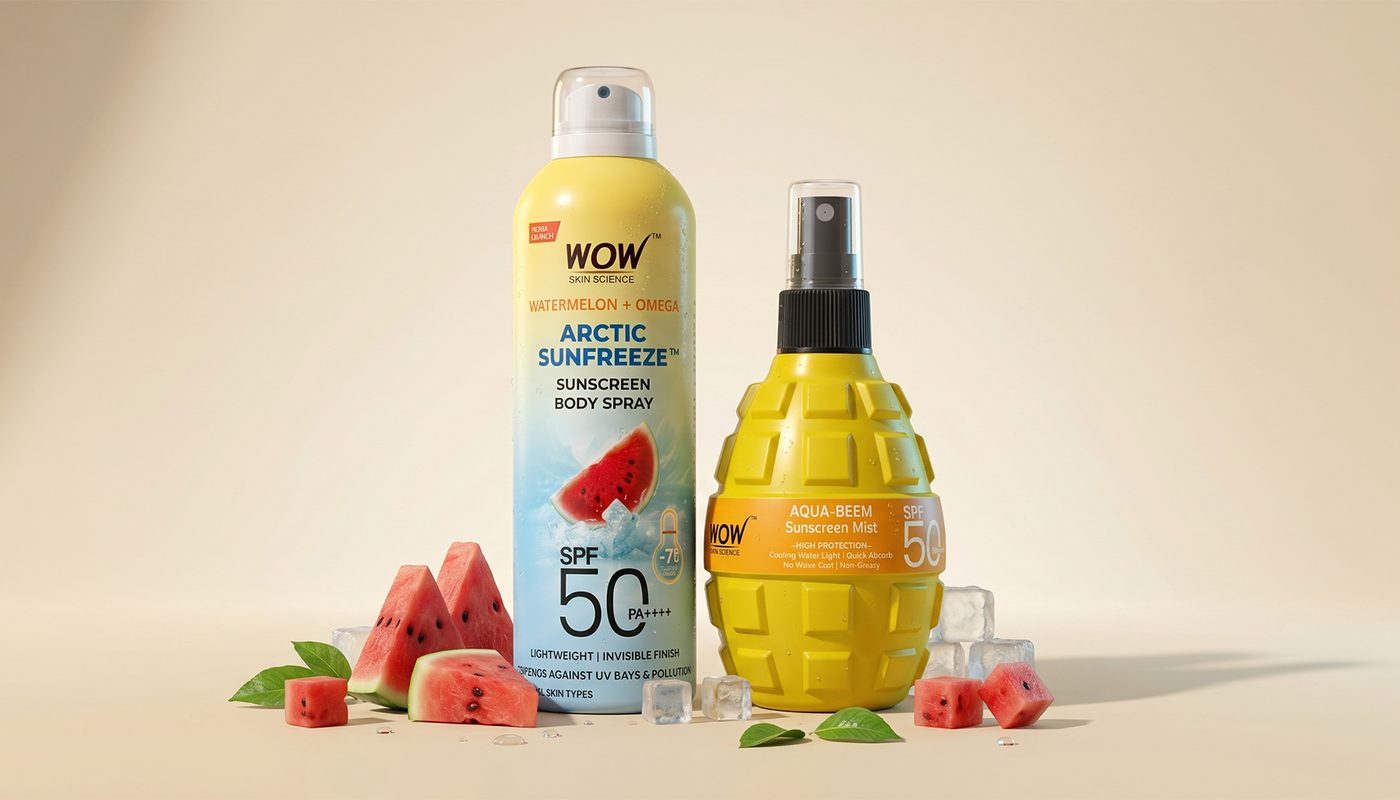
Why Your Body Skin Needs SPF Too: A Complete Guide to Body Sun Protection
Your face gets SPF, but your arms, legs, and shoulders take the same UV damage. Discover why body sun protection is non-negotiable in India's extreme UV climate.
WOW Skin Science Editorial Team
Beauty experts sharing science-backed skincare tips.
Your Face Gets Sunscreen. But What About the Rest of You?
Picture this: you've done your full morning skincare routine. Vitamin C serum, moisturiser, SPF on your face — the works. You step out into that brutal Indian summer sun feeling protected. But your arms, neck, shoulders, and legs? Completely bare. Getting roasted.
Sound familiar? You're not alone. Most of us treat body sun protection like an afterthought. But here's the truth — your skin doesn't know where your face ends and your body begins. UV rays don't discriminate. And the damage they cause? It shows up everywhere.
India sits between the Tropic of Cancer and the equator. Our UV index regularly hits 8 to 11 — that's in the "very high" to "extreme" range. For context, a UV index above 6 means you can get sunburned in under 20 minutes. We're out here running errands, commuting, doing outdoor workouts — all while our body skin takes a silent beating.
This guide is your wake-up call. And your game plan.
What UV Rays Actually Do to Your Body Skin
Let's start with the basics. There are two types of UV rays that reach your skin — UVA and UVB.
UVB rays are the ones that cause sunburn. They're strongest between 10 AM and 4 PM. You feel them. Your skin turns red, sometimes it peels. That's a visible sign of damage.
UVA rays are sneakier. They penetrate deeper into the skin. They don't always cause immediate redness, but over time, they break down collagen, cause hyperpigmentation, and accelerate skin ageing. UVA rays even pass through glass — so yes, sitting by a window in your office or car counts as UV exposure.
Now here's what makes body skin different from facial skin. Your body skin is thicker in some areas, thinner in others. The décolletage (your chest and neck area) is actually quite thin and sensitive — and one of the first places to show sun damage. The forearms, shoulders, and back of the neck are chronically exposed. The back of your hands ages faster than almost any other part of your body because of constant sun exposure.
Over time, unprotected sun exposure on the body may lead to:
Uneven skin tone and dark patches
Rough, leathery skin texture
Premature signs of ageing like fine lines on the chest and arms
Hyperpigmentation that's stubborn and hard to fade
In serious cases, increased risk of skin damage at a cellular level
My grandmother always swore by wearing a dupatta or full-sleeved cotton kurta when stepping out in the afternoon. She didn't call it "sun protection" — she just knew the sun was harsh. That traditional wisdom was completely right. But when you can't cover up, sunscreen is your best friend.
Why Body Sunscreen Is Different From Face Sunscreen
A lot of people try to use their face sunscreen all over their body. Financially — not sustainable. Practically — not ideal either.
Think about it. Your face sunscreen is formulated for a smaller area. The texture, the finish, the ingredients — all calibrated for facial skin, which tends to be more sensitive and prone to breakouts. Your body skin has different needs.
Body sunscreens are typically formulated to:
Cover larger surface areas without feeling heavy or sticky
Be more economical so you actually use enough
Absorb quickly so you can get dressed without that gross white cast on your clothes
Work well even when you sweat — which, in Indian summers, is basically always
Here's something most people don't know: the amount of sunscreen you apply matters enormously. Dermatologists recommend using a teaspoon of sunscreen for your face and about two tablespoons for your full body. Most of us use maybe a quarter of that. Under-application means your SPF protection is way lower than what's written on the bottle.
So if you're skimping on application, even an SPF 50 might behave more like an SPF 15 on your skin. That's a sobering thought.
Choosing the Right Body Sunscreen for Indian Skin

Indian skin tones range from very fair to deep brown, and our concerns vary accordingly. But one thing we all share? We need broad-spectrum protection — that means coverage against both UVA and UVB rays.
When you're shopping for a body sunscreen, here's what to look for on the label:
Broad-spectrum — This means it protects against both UVA and UVB. Non-negotiable.
SPF 30 or higher — For daily use, SPF 30 filters about 97% of UVB rays. SPF 50 filters about 98%. The difference sounds small, but for prolonged outdoor exposure, go SPF 50 or above.
PA+++ or PA++++ — This is the UVA rating system used in India and across Asia. More plus signs = more UVA protection. For Indian summers, aim for PA+++ at minimum.
Lightweight, non-greasy formula — In our humidity, anything too heavy just slides off. A gel-based formula tends to work beautifully because it absorbs fast and doesn't feel suffocating.
Hydrating ingredients — Sun exposure dries out your skin. A sunscreen that also hydrates — think hyaluronic acid, aloe vera, glycerin — does double duty.
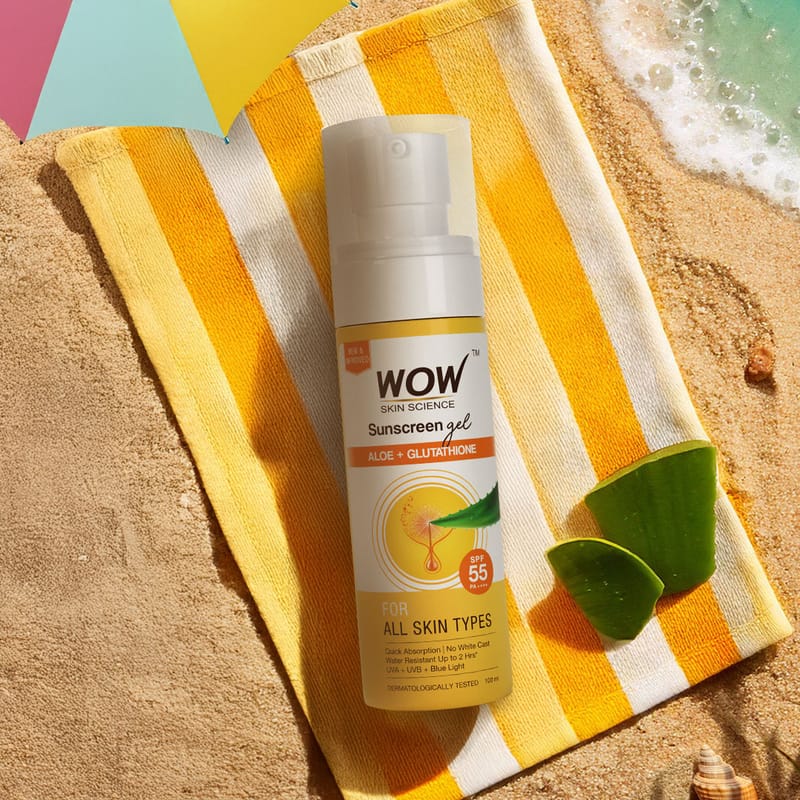
Products like the WOW Skin Science SPF 55 PA++++ Sunscreen Gel are worth keeping in your body care rotation. It's broad-spectrum, absorbs quickly, and the hydration factor means your skin doesn't feel stripped even after hours in the sun. That SPF 55 with PA++++ rating gives you serious protection — exactly what you need when the Indian sun is doing its worst.
Shop: SPF 55 PA++++ Sunscreen Gel → →
If you have drier body skin — common in winter months or in drier climates like Rajasthan or parts of Maharashtra — look for a formula specifically designed for dry skin. The WOW Skin Science SPF 50 PA++++ Sunscreen Gel for dry skin is a good pick because it delivers solid broad-spectrum protection while giving your skin that extra moisture it craves.
Shop: SPF 50 PA++++ Sunscreen Gel → →
The Body Parts You're Definitely Forgetting
Let's talk about the spots that almost everyone neglects. Because applying sunscreen to your arms and legs is a good start — but it's not the full picture.
The back of your neck — Every time you're on your phone, looking down, or sitting in a rickshaw, your neck is exposed. This area is thin-skinned and burns easily. Apply sunscreen here every single day.
Your ears — Yes, really. The tops of your ears are one of the most sun-exposed parts of your body. Most people never put sunscreen there. Don't be most people.
Your hands — You're washing them constantly, which means sunscreen gets removed. Reapply after washing, especially if you'll be outdoors. The backs of your hands show age faster than almost anywhere else.
Your feet and ankles — If you wear sandals or chappals (which, let's be honest, most of us do for half the year), your feet are getting direct sun. Uneven tan lines on feet are stubborn and take months to fade.
Your chest and décolletage — This area has thinner skin and gets a lot of indirect sun exposure, especially if you wear kurtas or tops with any neckline. Sun damage here shows up as dark spots and rough texture over time.
Your scalp along the parting — If you have a hair parting, that strip of scalp is exposed to direct sun. A hair sunscreen spray or even a light SPF powder can help here.
Here's what works really well for remembering all these spots: apply your body sunscreen before you get dressed. It's so much easier to reach everywhere when you're not working around your clothes. Make it part of your post-shower routine, like moisturiser — just the last step before you put your clothes on.
How to Build a Body Sun Protection Habit That Actually Sticks
Knowing you should wear body sunscreen and actually doing it every day are two very different things. Here's how to make it a non-negotiable:
Keep it visible. Store your body sunscreen next to your moisturiser or right by your wardrobe. Out of sight genuinely means out of mind.
Apply 15-20 minutes before going out. Chemical sunscreen filters need a little time to activate. If you're using a mineral sunscreen, you're protected immediately — but either way, applying before you leave is better than applying in the car.
Reapply every 2 hours if you're outdoors. This is the rule most people ignore. Sunscreen doesn't last all day. Sweat, humidity, and rubbing all break it down. If you're spending time outside — whether at a beach, a market, or just commuting — reapplication matters.
Use enough product. For your full body, you need about two tablespoons. That feels like a lot, but it's the amount that actually gives you the protection on the label.
Don't forget cloudy days. Up to 80% of UV rays penetrate cloud cover. The fact that you can't see the sun doesn't mean it's not doing damage. This is especially relevant during the monsoon — we all tend to skip sunscreen when it's overcast and rainy.
Pair it with protective clothing when you can. A lightweight cotton shirt, a wide-brimmed hat, a dupatta — these add a physical layer of protection that sunscreen alone can't replicate. Sunscreen plus clothing is always better than sunscreen alone.
The Bigger Picture: Body Skin Deserves a Full Routine
Sunscreen is the most important step in your body skincare routine. But it works best when your skin is healthy and well-maintained.
Exfoliate your body once or twice a week. Dead skin cells can actually reduce how evenly sunscreen absorbs and how effectively it protects. A gentle scrub or a body wash with mild exfoliating ingredients keeps your skin smooth and receptive.
Moisturise daily — ideally right after your shower, when your skin is still slightly damp. Well-hydrated skin forms a better barrier and shows sun damage less readily over time.
And if you're dealing with existing tan lines, dark patches, or uneven body skin tone from past sun exposure — consistency is key. Regular sunscreen use, combined with ingredients like kojic acid, niacinamide, or vitamin C in your body care, may help fade hyperpigmentation gradually.
Your body skin has been protecting you your whole life. It's time to return the favour. Start with sunscreen — every day, every season, on every inch of skin that sees the sun. Because good skin isn't just a face thing. It's a whole-body thing.
Enjoyed this article?
Get more beauty tips and skincare guides delivered to your inbox.
Related Articles
നിങ്ങളുടെ ശരീരത്തിന്റെ ചർമ്മത്തിന് എന്തുകൊണ്ട് SPF ആവശ്യമാണ്: ശരീര സൂര്യ സുരക്ഷയുടെ സമ്പൂർണ്ണ ഗൈഡ്
നിങ്ങളുടെ മുഖത്ത് SPF ഉപയോഗിക്കുന്നുണ്ടെങ്കിലും, നിങ്ങളുടെ കൈകൾ, കാലുകൾ, തോളുകൾ എന്നിവ ഒരേ UV നാശനുണ്ടാക്കുന്നു. ഇന്ത്യയുടെ തീവ്രമായ UV കാലാവസ്ഥയിൽ ശരീര സൂര്യ സുരക്ഷ എന്തുകൊണ്ട് അത്യാവശ്യമാണെന്ന് കണ്ടെത്തുക.
ਤੁਹਾਡੀ ਬਾਡੀ ਦੀ ਚਮੜੀ ਨੂੰ SPF ਦੀ ਲੋੜ ਕਿਉਂ ਹੈ: ਬਾਡੀ ਸਨ ਪ੍ਰੋਟੈਕਸ਼ਨ ਦੀ ਸੰਪੂਰਨ ਗਾਈਡ
ਤੁਹਾਡਾ ਚਿਹਰਾ SPF ਪਾਉਂਦਾ ਹੈ, ਪਰ ਤੁਹਾਡੀਆਂ ਬਾਹਾਂ, ਲੱਤਾਂ ਅਤੇ ਮੋਢੇ ਉਹੀ UV ਨੁਕਸਾਨ ਸਹਿ ਰਹੇ ਹਨ। ਭਾਰਤ ਦੀ ਬਹੁਤ ਜ਼ਿਆਦਾ UV ਜਲਵਾਯੂ ਵਿੱਚ ਬਾਡੀ ਸਨ ਪ੍ਰੋਟੈਕਸ਼ਨ ਕਿਉਂ ਜ਼ਰੂਰੀ ਹੈ, ਇਹ ਜਾਣੋ।
మీ శరీర చర్మానికి SPF ఎందుకు అవసరం: శరీర సూర్య సంరక్షణకు సంపూర్ణ గైడ్
మీ ముఖానికి SPF ఉంటుంది, కానీ మీ చేతులు, కాళ్లు మరియు భుజాలు అదే UV నష్టాన్ని పొందుతాయి. భారతదేశం యొక్క తీవ్రమైన UV వాతావరణంలో శరీర సూర్య సంరక్షణ ఎందుకు అవసరమైనదో కనుగొనండి.