
The Complete Guide to Hair Shampoo: Types & Benefits
Struggling to find the right shampoo? Learn the science behind hair shampoo, explore different types for your hair needs, and discover expert tips to transform your hair care routine.
WOW Skin Science Editorial Team
Beauty experts sharing science-backed skincare tips.
The Complete Guide to Hair Shampoo: Types, Benefits & Tips
Your hair feels limp. Your scalp itches. You've tried five different shampoos this year alone, and nothing seems to work. Sound familiar? The problem isn't your hair—it's that you're using the wrong shampoo for your specific needs.
Choosing the right shampoo transforms your entire hair care routine. But with hundreds of options lining store shelves, how do you know which one actually works? Here's everything you need to know about shampoo, from the science behind the suds to finding your perfect match.
Understanding Hair Shampoo: What It Is and How It Works
Shampoo is a cleansing product designed to remove dirt, oil, and product buildup from your hair and scalp. But it's not just soap for your head. The chemistry behind a good shampoo is surprisingly sophisticated.
The Science Behind Hair Shampoo
Shampoos use special ingredients called surfactants. These molecules have two ends—one loves water, the other loves oil. When you massage shampoo into your wet hair, the oil-loving ends grab onto sebum and dirt, while the water-loving ends help rinse everything away. Simple, but brilliant.
Your hair's natural pH sits around 4.5 to 5.5—slightly acidic. Quality shampoos maintain this pH balance to keep your hair cuticles smooth and sealed. When the pH is too high, your cuticles open up, making hair frizzy and vulnerable to damage.
Key Ingredients in Modern Shampoos
Cleansing agents do the heavy lifting. Common ones include sodium lauryl sulfate (SLS) and sodium laureth sulfate (SLES). They create that satisfying lather and remove oil effectively. Gentler alternatives like coco-glucoside work for sensitive scalps.
Moisturizers prevent your hair from drying out. Glycerin, panthenol, and natural oils keep moisture locked in. Proteins like keratin and amino acids strengthen damaged hair by filling in gaps in the hair shaft.
Preservatives keep your shampoo fresh and safe. Botanical extracts add specific benefits—tea tree oil fights dandruff, while chamomile soothes irritation.
Types of Hair Shampoo for Every Hair Type and Concern
Not all shampoos are created equal. Your best friend's holy grail product might leave your hair looking flat and greasy. Matching your shampoo to your hair type makes all the difference.
Moisturizing Shampoos for Dry and Damaged Hair
Dry hair needs hydration, not harsh cleansing. Moisturizing shampoos contain nourishing oils, butters, and humectants that attract and retain moisture. They clean gently while replenishing what your hair has lost to heat styling, chemical treatments, or just the harsh summer sun.
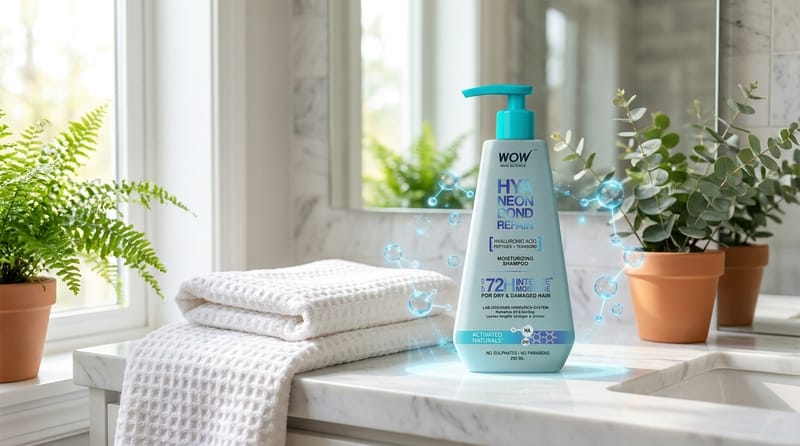
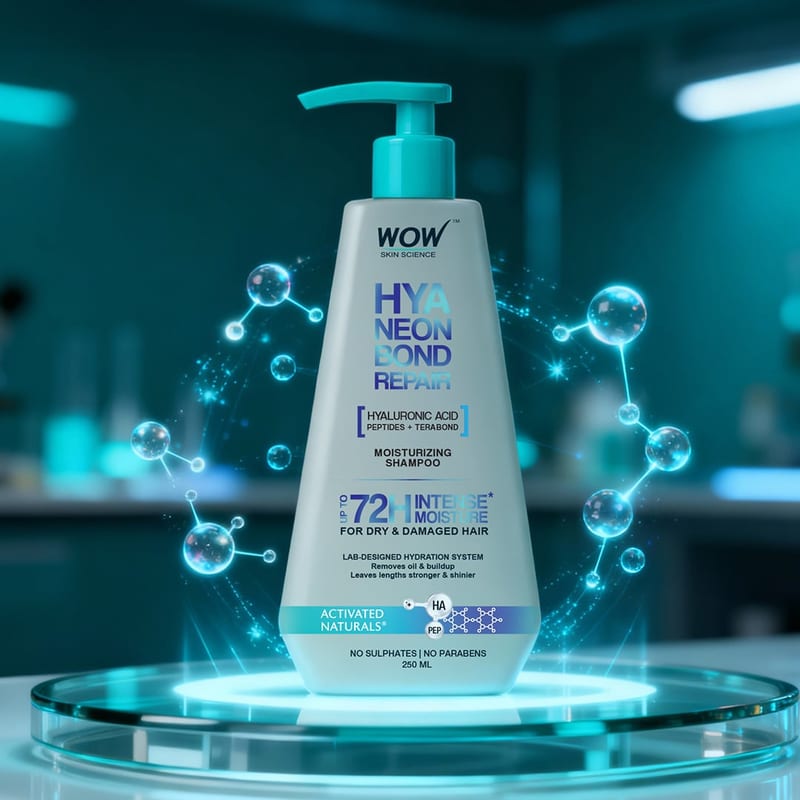
Look for shampoos with hyaluronic acid, which can hold up to 1000 times its weight in water. The Hyaneon Bond Repair Moisturizing Shampoo delivers up to 72 hours of hydration—perfect for parched strands that need serious moisture.
Shop: Hyaneon Bond Repair Moisturizing Shampoo → →
Clarifying and Scalp-Balancing Shampoos
Your scalp gets congested too. Product buildup, excess sebum, and pollution create a film that regular shampoos can't fully remove. Clarifying shampoos deep-clean your scalp, removing everything that's weighing your hair down.
Apple cider vinegar shampoos balance your scalp's pH naturally while removing buildup. They're particularly effective if you live in areas with hard water or use lots of styling products. Use them once or twice a week for a reset.
Nourishing Shampoos for Shine and Strength
These shampoos focus on improving hair quality with every wash. They contain oils like argan, coconut, or jojoba that penetrate the hair shaft, delivering nutrients where they're needed most. Rich in vitamins and fatty acids, they restore shine and strengthen weak, brittle hair.
Argan oil shampoos work beautifully for Indian hair types. They tame frizz without weighing hair down—crucial in our humid climate.
How to Choose the Right Hair Shampoo for Your Hair Type
Identifying Your Hair Type and Texture
First, understand what you're working with. Fine hair gets oily quickly and looks limp when over-moisturized. Thick, coarse hair needs more hydration and can handle richer formulas. Curly hair tends toward dryness and needs gentle, moisturizing cleansers.
Your scalp type matters just as much. Oily scalps need frequent washing with balancing formulas. Dry, flaky scalps benefit from moisturizing, soothing ingredients. Combination scalps—oily roots, dry ends—require strategic product use.
Common Scalp Issues and Shampoo Solutions
Dandruff and flaking: Look for zinc pyrithione, salicylic acid, or tea tree oil. These ingredients control fungal growth and remove dead skin cells.
Excess oil production: Shampoos with apple cider vinegar or clay ingredients absorb excess sebum without stripping your scalp. The Organics Apple Cider Vinegar Shampoo balances scalp pH naturally, reducing oiliness over time.
Shop: Organics Apple Cider Vinegar Shampoo → →
Sensitivity and irritation: Choose fragrance-free, hypoallergenic formulas with soothing ingredients like aloe vera or chamomile.
Reading Shampoo Labels: What to Look For
Ingredients are listed by concentration—what's at the top makes up most of the formula. Water always comes first. The second and third ingredients are usually your primary cleansers.
Beneficial ingredients to spot:
Natural oils (argan, coconut, jojoba) for moisture
Proteins (keratin, silk, wheat) for strength
Vitamins (B5, E) for nourishment
Plant extracts for specific benefits
Ingredients to Avoid in Hair Shampoo
Some ingredients do more harm than good, especially with regular use:
Harsh sulfates (SLS/SLES in high concentrations) can strip natural oils
Parabens raise concerns about hormone disruption
Synthetic fragrances often irritate sensitive scalps
Silicones (dimethicone, cyclomethicone) create buildup over time
Drying alcohols (isopropyl, ethanol) make hair brittle
The Proper Way to Shampoo Your Hair: Step-by-Step Guide
You've been shampooing your hair since childhood, but you might be doing it wrong. Proper technique makes your shampoo work better and keeps your hair healthier.
The Correct Shampooing Technique
Step 1: Wet your hair thoroughly with lukewarm water. Hot water opens cuticles too much; cold water doesn't clean effectively. Lukewarm is just right.
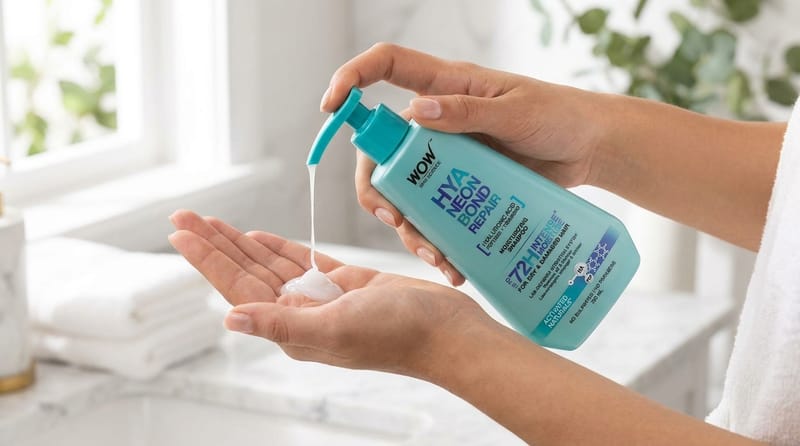
Step 2: Use a coin-sized amount of shampoo for short hair, slightly more for long or thick hair. Less is more—too much product is wasteful and hard to rinse out.
Step 3: Apply shampoo to your scalp, not your hair lengths. Focus on the roots where oil and dirt accumulate. Your ends get clean as you rinse.
Step 4: Massage gently with your fingertips (never nails) for 1-2 minutes. This stimulates blood flow and ensures thorough cleansing. Work in circular motions across your entire scalp.
Step 5: Rinse completely. Leftover shampoo causes buildup, dullness, and irritation. Spend twice as long rinsing as you did washing.
How Often Should You Shampoo Your Hair?
This depends entirely on your hair type and lifestyle. Oily hair and active lifestyles need daily washing. Normal hair does well with every other day. Dry, curly, or chemically-treated hair benefits from 2-3 times per week maximum.
Our humid Indian climate means you might need to wash more frequently than someone in a drier climate. Listen to your scalp—if it feels itchy or looks greasy, it's time to wash.
Post-Shampoo Care
Never skip conditioner. Shampoo opens your hair cuticles; conditioner seals them back down. Apply conditioner from mid-length to ends, avoiding your scalp. Leave it for 2-3 minutes before rinsing with cool water for extra shine.
For complete nourishment, pair your shampoo with a matching conditioner. The Moroccan Argan Oil Shampoo & Conditioner Duo works together to deeply nourish while adding brilliant shine—each product enhances the other's benefits.
Key Takeaways: Your Hair Shampoo Essentials
Match shampoo to your scalp type, not just your hair texture—your scalp determines how often you need to wash
Use the right amount: a coin-sized portion for short hair, slightly more for long or thick hair
Focus on your scalp when washing; your hair lengths get clean during rinsing
Rinse thoroughly—leftover product causes more problems than dirty hair
Wash frequency varies: oily scalps need daily cleansing, dry hair needs 2-3 times weekly maximum
Read ingredient lists and avoid harsh sulfates, parabens, and drying alcohols
Always condition after shampooing to seal cuticles and lock in moisture
Frequently Asked Questions About Hair Shampoo
How often should I shampoo my hair? It depends on your scalp type and lifestyle. Oily scalps benefit from daily washing, while dry or curly hair needs only 2-3 washes per week. Active lifestyles and humid climates may require more frequent washing. Your scalp will tell you—if it feels greasy or itchy, it's time to wash.
Can I use the same shampoo every day? Yes, if it's formulated for your hair type. Gentle, pH-balanced shampoos won't damage your hair with daily use. However, if you notice buildup or your shampoo seems less effective over time, alternate with a clarifying shampoo once weekly to reset your scalp.
What's the difference between clarifying and regular shampoo? Regular shampoo removes daily dirt and oil. Clarifying shampoo deep-cleans, removing product buildup, hard water minerals, and excess sebum that regular shampoo leaves behind. Use clarifying formulas once or twice weekly—too often strips your hair's natural oils.
Should I use sulfate-free shampoo? Sulfate-free shampoos work well for dry, damaged, color-treated, or curly hair. They clean more gently but produce less lather. If you have oily hair or use lots of styling products, you might need the stronger cleansing power of sulfates. Choose based on your needs, not trends.
How much shampoo should I use per wash? A coin-sized amount (about 10ml) works for short hair. Long or thick hair needs slightly more—roughly a 20-rupee coin's worth. Using too much doesn't clean better; it just wastes product and makes rinsing harder. Your shampoo should spread easily when diluted with water.
Enjoyed this article?
Get more beauty tips and skincare guides delivered to your inbox.
Related Articles
WOW Skin Science: 2024 ରେ ଅଧିକାଂଶ ଲୋକ କ'ଣ ମିସ କରନ୍ତି
ଅଧିକାଂଶ ଲୋକ WOW Skin Science ପ୍ରୋଡକ୍ଟ ଭୁଲ ଭାବେ ବ୍ୟବହାର କରନ୍ତି ଏବଂ ସେମାନଙ୍କ ଫର୍ମୁଲେସନ୍ ପଛରେ ଥିବା ବିଜ୍ଞାନକୁ ମିସ କରନ୍ତି। ଏହି ପ୍ରୋଡକ୍ଟଗୁଡ଼ିକ କାହିଁକି କାମ କରେ ଏବଂ ଫଳାଫଳ ସର୍ବାଧିକ କରିବାର ଉପାୟ ଜାଣନ୍ତୁ।

WOW Skin Science: 2024-ൽ മിക്ക ആളുകളും നഷ്ടപ്പെടുത്തുന്നത്
മിക്ക ആളുകളും WOW Skin Science ഉൽപ്പന്നങ്ങൾ തെറ്റായി ഉപയോഗിക്കുന്നു കൂടാതെ അവയുടെ ഫോർമുലേഷനുകളിലെ ശാസ്ത്രം നഷ്ടപ്പെടുത്തുന്നു. ഈ ഉൽപ്പന്നങ്ങൾ എന്തുകൊണ്ട് പ്രവർത്തിക്കുന്നുവെന്നും ഫലങ്ങൾ പരമാവധി വർദ്ധിപ്പിക്കാൻ എങ്ങനെയെന്നും അറിയുക.
WOW Skin Science: 2024ರಲ್ಲಿ ಹೆಚ್ಚಿನ ಜನರು ತಪ್ಪಿಸುವ ವಿಷಯಗಳು
ಹೆಚ್ಚಿನ ಜನರು WOW Skin Science ಉತ್ಪನ್ನಗಳನ್ನು ತಪ್ಪಾಗಿ ಬಳಸುತ್ತಾರೆ ಮತ್ತು ಅವುಗಳ ಸೂತ್ರೀಕರಣದ ಹಿಂದಿನ ವಿಜ್ಞಾನವನ್ನು ಮಿಸ್ಸ್ ಮಾಡುತ್ತಾರೆ. ಈ ಉತ್ಪನ್ನಗಳನ್ನು ಏನು ಕೆಲಸ ಮಾಡುತ್ತದೆ ಮತ್ತು ಫಲಿತಾಂಶಗಳನ್ನು ಗರಿಷ್ಠಗೊಳಿಸುವುದು ಹೇಗೆ ಎಂದು ತಿಳಿಯಿರಿ.