

WOW Apple Cider Vinegar Shampoo: 5 Things Most People Miss
ACV shampoo works brilliantly—but only when used correctly. Most people miss five critical steps that transform disappointing results into healthier hair and balanced scalp pH.
WOW Skin Science Editorial Team
Beauty experts sharing science-backed skincare tips.
WOW ACV Shampoo: 5 Things Most People Miss (2024 Guide)
Why Your ACV Shampoo Isn't Working Like You Expected
You switched to apple cider vinegar shampoo three weeks ago. Your hair still feels greasy by day two. Your scalp itches the same way it did before. Maybe you're wondering if ACV shampoo is just another beauty trend that doesn't deliver.
Here's the truth: ACV shampoo works brilliantly—but only when you use it right. Most people miss five critical steps that make all the difference between disappointing results and transformative hair health. The problem isn't the product. It's the method.
Your regular shampoo routine won't cut it with ACV formulas. They work differently at a chemical level. Understanding these differences changes everything about your hair care game.
What Makes Apple Cider Vinegar Work for Your Hair
The pH Balance Secret
Your scalp naturally sits at a pH of 4.5 to 5.5—slightly acidic. Regular shampoos? They clock in at pH 7 to 9. That alkaline environment opens your hair cuticles, strips natural oils, and leaves your scalp vulnerable to bacteria and fungi.
Apple cider vinegar brings your scalp back to its happy place. It restores that acidic balance your hair craves. Think of it as resetting your scalp to factory settings.
The Organics Apple Cider Vinegar Shampoo maintains this optimal pH while cleansing deeply without harsh sulfates. When you commit to consistent use, the 3-pack bundle ensures you give your scalp enough time to fully transition and rebalance.
Shop: Organics Apple Cider Vinegar Shampoo Scalp Balancing Cleanser → →
Beyond Just Vinegar
Pure ACV would be too harsh for daily use. Quality formulations blend ACV with complementary ingredients that protect while they cleanse. Your scalp needs this balanced approach—especially if you're dealing with hard water, pollution, or product buildup common in Indian cities.
The acetic acid in ACV breaks down residue that regular shampoos leave behind. It smooths the hair cuticle, which means more shine and less frizz. For those battling Mumbai's humidity or Delhi's dust, this cuticle-sealing action becomes your secret weapon.
The 5 Critical Mistakes People Make
Mistake #1: Skipping the Transition Period
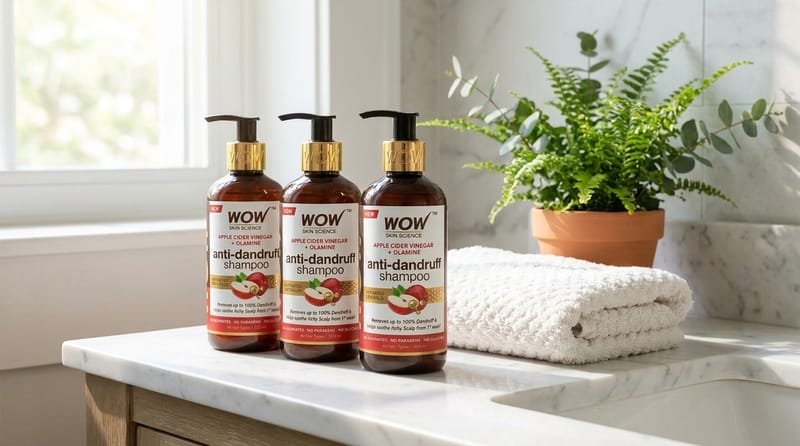
Your scalp has adapted to harsh sulfates for years. When you switch to ACV shampoo, expect two to four weeks of adjustment. Your hair might feel different—sometimes greasier, sometimes drier. This is normal.
Your sebaceous glands are recalibrating. They've been overproducing oil to compensate for stripping shampoos. Give them time to find their natural rhythm again. Push through this phase and you'll reach the good stuff: balanced, healthy hair that doesn't need washing every day.
Mistake #2: Using Hot Water
Hot water opens your hair cuticles wide. That defeats the entire purpose of ACV's cuticle-sealing benefits. Use lukewarm water for washing, cool water for the final rinse.
The cool rinse locks in the benefits. It seals those cuticles flat, giving you that glossy finish you see in hair commercials. Yes, it's uncomfortable in winter. Do it anyway.
Mistake #3: Not Clarifying Before You Start
Your hair probably has months of silicone, wax, and styling product buildup. ACV shampoo works best on relatively clean hair. Before your first use, do a clarifying wash to remove that coating.
Mix two tablespoons of baking soda with water. Massage it through wet hair. Rinse thoroughly. Now your ACV shampoo can actually reach your scalp and hair shaft.
Mistake #4: Applying Like Regular Shampoo
ACV shampoo needs time to work its magic. Don't just lather and rinse in 30 seconds. Focus on your scalp first—that's where the action happens. Use your fingertips to massage gently for two to three minutes.
Let the shampoo sit for another two minutes before rinsing. This contact time allows the acetic acid to break down buildup and balance pH. Rushing this step wastes the formula's potential.
Mistake #5: Ignoring Complementary Products
Your hair care routine needs internal consistency. If you're using ACV shampoo but following up with a heavy silicone conditioner, you're working against yourself. The silicone coats your hair again, trapping oils and preventing the scalp benefits from lasting.
Products that contain rosemary oil actually enhance ACV's effects—they strengthen hair follicles while ACV balances the scalp environment. The Rosemary Oil Hair Care Set pairs beautifully with ACV shampoo for a complete scalp-to-strand approach.
Shop: Rosemary Oil Hair Care Set Strengthen and Nourish → →
How to Actually Use ACV Shampoo
Pre-Wash Preparation
Brush your dry hair thoroughly before stepping into the shower. This distributes natural oils and loosens surface dirt. It also prevents tangling when you wash—wet, tangled hair breaks easily.
If your scalp feels particularly congested, try a pre-wash oil massage. Use coconut or sesame oil on your scalp 30 minutes before washing. This traditional Indian technique draws out deep-seated impurities that even ACV might miss.
The Double-Cleanse Method

First cleanse: Use a small amount to remove surface dirt and oil. Focus on the scalp. Rinse thoroughly.
Second cleanse: Now the shampoo can penetrate properly. This wash targets buildup, balances pH, and treats your scalp. Massage slowly. Let it sit. Rinse with cool water.
Your hair might not foam much during the first wash. That's fine. Foam doesn't equal cleaning power—it's just a sensory trick regular shampoos use.
Timing That Changes Results
First lather: 1-2 minutes of scalp massage, immediate rinse
Second lather: 2-3 minutes of massage, 2-minute rest period, thorough cool rinse
Total shower time for your hair: 8-10 minutes. That's it. Quality over speed makes the difference between "meh" results and hair that actually improves week by week.
Your Personalized ACV Schedule
For Oily Scalp
Wash every other day with ACV shampoo. On off-days, rinse with plain water or use a dry shampoo if needed. Your scalp will gradually produce less oil as it realizes it doesn't need to compensate anymore.
In humid months (June to September in most of India), you might need daily washes initially. That's okay. ACV shampoo won't strip your scalp the way regular formulas do.
For Dry or Damaged Hair
Start with twice-weekly ACV washes. Space them evenly—like Monday and Thursday. Between washes, use a gentle co-wash or just water rinse. Your hair needs time to rebuild its moisture barrier.
Deep condition after every ACV wash. Focus conditioner on mid-lengths to ends, never on your scalp. Your scalp produces enough natural oil once balanced.
For Normal Hair
Three times a week hits the sweet spot. This maintains scalp health without overdoing it. You'll notice your hair stays fresh longer—many people eventually drop to twice weekly and maintain great results.
Adjust based on your lifestyle. Gym five days a week? You might need more frequent washing. Mostly indoors with AC? Less washing works fine.
Seasonal Adjustments

Monsoon season: Increase washing frequency. Humidity and damp weather create ideal conditions for scalp fungus. ACV's antifungal properties become especially valuable.
Winter months: Reduce frequency slightly. The air is drier, your scalp produces less oil. Over-washing in winter can lead to flaking that looks like dandruff but is actually dryness.
Summer heat: You'll sweat more. Wash as needed but always follow with cool water rinse. This prevents sweat and oil from oxidizing on your scalp, which causes that unpleasant smell.
Quick Reference: Do's and Don'ts
Do:
Massage your scalp with fingertips, not nails
Rinse thoroughly—leftover product causes buildup
Be patient during the transition period
Adjust frequency based on your scalp's feedback
Protect hair from chlorine and hard water when possible
Don't:
Apply shampoo directly to hair—dilute in your palms first
Scrub aggressively—gentle pressure works better
Expect overnight miracles—real change takes 4-6 weeks
Use styling products with heavy silicones
Skip the cool final rinse
Timeline: When You'll See Results
Week 1-2: Your hair might feel different. Possibly greasier or drier than usual. Your scalp is adjusting. Stick with it.
Week 3-4: You'll notice your scalp feels cleaner longer. Hair might look shinier. The texture starts improving.
Week 6-8: This is where the magic happens. Your hair holds styles better. Frizz reduces noticeably. Your scalp feels balanced—not too oily, not too dry.
Month 3 and beyond: Your hair quality improves at the root. New growth comes in healthier. You might notice less hair fall in the shower. These long-term benefits make the transition period worth it.
Frequently Asked Questions
How often should I use ACV shampoo?
Start with 2-3 times weekly for normal hair, every other day for oily scalps, and twice weekly for dry hair. Your scalp will tell you what it needs—if it feels tight and dry, reduce frequency. If it gets greasy quickly, increase slightly.
Can I use it on color-treated hair?
Yes, but wait at least one week after coloring. ACV actually helps seal the cuticle, which can make color last longer. However, it won't protect against fading the way sulfate-free formulas claim to. Use a color-safe conditioner after washing.
Why does my hair feel weird after switching?
Your hair is detoxing from years of silicone and sulfate buildup. That "squeaky clean" feeling you're used to? That's actually stripped, damaged hair. Healthy hair feels softer, slightly textured—not slippery. Give it three weeks to adjust.
Should I use conditioner after?
Yes, but only on the lengths and ends—never on your scalp. Your scalp doesn't need added moisture; it produces its own once balanced. Focus conditioning where your hair actually needs it: the older, drier parts away from your roots.
How long until I see real results?
Most people notice shinier, smoother hair within 2-3 weeks. Scalp issues like dandruff or excess oil take 4-6 weeks to improve significantly. Hair strength and reduced breakage become obvious around the 8-week mark. Consistency matters more than any other factor.
Enjoyed this article?
Get more beauty tips and skincare guides delivered to your inbox.
Related Articles
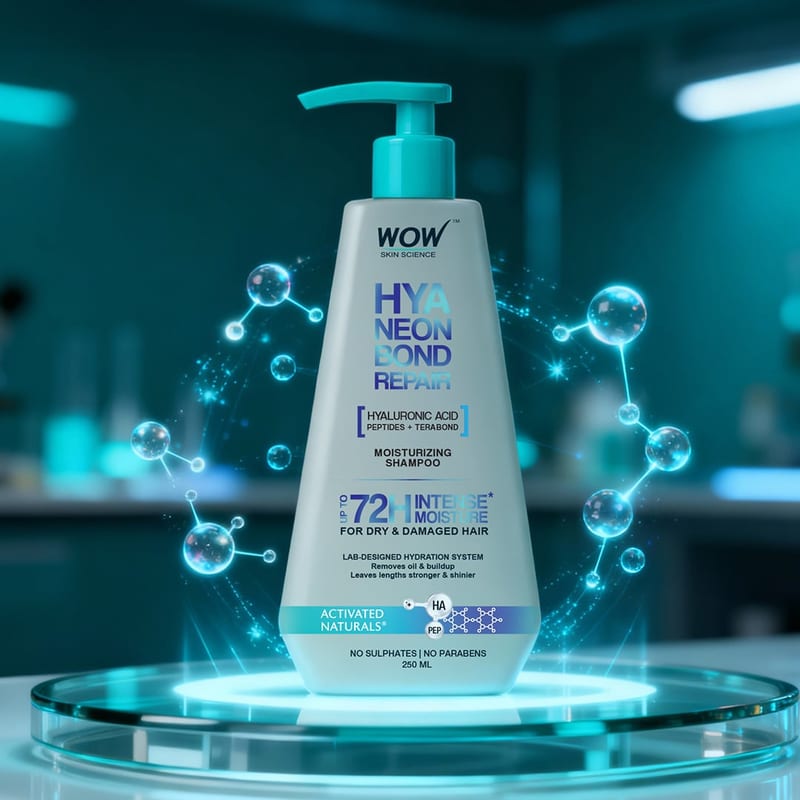
WOW Skin Science: 2024 ରେ ଅଧିକାଂଶ ଲୋକ କ'ଣ ମିସ କରନ୍ତି
ଅଧିକାଂଶ ଲୋକ WOW Skin Science ପ୍ରୋଡକ୍ଟ ଭୁଲ ଭାବେ ବ୍ୟବହାର କରନ୍ତି ଏବଂ ସେମାନଙ୍କ ଫର୍ମୁଲେସନ୍ ପଛରେ ଥିବା ବିଜ୍ଞାନକୁ ମିସ କରନ୍ତି। ଏହି ପ୍ରୋଡକ୍ଟଗୁଡ଼ିକ କାହିଁକି କାମ କରେ ଏବଂ ଫଳାଫଳ ସର୍ବାଧିକ କରିବାର ଉପାୟ ଜାଣନ୍ତୁ।

WOW Skin Science: 2024-ൽ മിക്ക ആളുകളും നഷ്ടപ്പെടുത്തുന്നത്
മിക്ക ആളുകളും WOW Skin Science ഉൽപ്പന്നങ്ങൾ തെറ്റായി ഉപയോഗിക്കുന്നു കൂടാതെ അവയുടെ ഫോർമുലേഷനുകളിലെ ശാസ്ത്രം നഷ്ടപ്പെടുത്തുന്നു. ഈ ഉൽപ്പന്നങ്ങൾ എന്തുകൊണ്ട് പ്രവർത്തിക്കുന്നുവെന്നും ഫലങ്ങൾ പരമാവധി വർദ്ധിപ്പിക്കാൻ എങ്ങനെയെന്നും അറിയുക.
WOW Skin Science: 2024ರಲ್ಲಿ ಹೆಚ್ಚಿನ ಜನರು ತಪ್ಪಿಸುವ ವಿಷಯಗಳು
ಹೆಚ್ಚಿನ ಜನರು WOW Skin Science ಉತ್ಪನ್ನಗಳನ್ನು ತಪ್ಪಾಗಿ ಬಳಸುತ್ತಾರೆ ಮತ್ತು ಅವುಗಳ ಸೂತ್ರೀಕರಣದ ಹಿಂದಿನ ವಿಜ್ಞಾನವನ್ನು ಮಿಸ್ಸ್ ಮಾಡುತ್ತಾರೆ. ಈ ಉತ್ಪನ್ನಗಳನ್ನು ಏನು ಕೆಲಸ ಮಾಡುತ್ತದೆ ಮತ್ತು ಫಲಿತಾಂಶಗಳನ್ನು ಗರಿಷ್ಠಗೊಳಿಸುವುದು ಹೇಗೆ ಎಂದು ತಿಳಿಯಿರಿ.