
Cupid Perfume: What Most People Miss About Fragrance
Cupid perfume isn't just about fancy bottles—it's about chemistry. Discover the psychology behind attraction-based fragrances and what makes certain scents truly irresistible.
WOW Skin Science Editorial Team
Beauty experts sharing science-backed skincare tips.
Cupid Perfume: What Most People Miss About Fragrance
You've probably heard someone say they have a "signature scent." Maybe you've even been gifted a perfume that promised to make you irresistible. But here's what nobody tells you: the most captivating fragrances aren't about fancy bottles or celebrity endorsements. They're about chemistry — both the kind in the bottle and the kind on your skin.
What Is Cupid Perfume and Why Everyone's Talking About It
"Cupid perfume" isn't a specific brand. It's a concept — fragrances designed to attract, enchant, and leave a lasting impression. Think of those scents that make people lean in closer when you pass by.
The Psychology Behind Attraction-Based Fragrances
Smell is the only sense directly linked to your brain's emotional center. That's why a whiff of jasmine can transport you to your grandmother's garden, or cedarwood might remind you of someone special. Attraction-based perfumes tap into this connection deliberately.
These fragrances typically blend warm, inviting notes with subtle freshness. The goal? To create an aura that feels both comforting and intriguing. Your brain processes scent 10,000 times faster than pain, which explains why first impressions often start with "you smell amazing."
Common Misconceptions About Cupid-Style Perfumes
Here's the biggest myth: pheromone perfumes will magically make everyone fall for you. The truth is far more interesting. While pheromones exist, the "attraction" in fragrance comes from choosing scents that complement your natural body chemistry and boost your confidence.
Another misconception? Expensive always means better. A ₹5,000 perfume might smell incredible on your friend but completely wrong on you. Your skin's pH, diet, and even stress levels change how fragrances develop.
The Hidden Science Most People Miss About Fragrance Chemistry
Ever wondered why that perfume smelled divine in the store but disappointing at home? You're experiencing fragrance evolution — and it's completely normal.
How Fragrance Notes Actually Work on Your Skin
Perfumes are living compositions. They change and develop over hours, revealing different "notes" as time passes. Think of it like a Bollywood movie — there's an opening scene, a middle act, and a memorable finale.
Your skin isn't just a canvas. It's an active participant. Body heat activates fragrance molecules, releasing them gradually. That's why pulse points (wrists, neck, behind ears) are the best application spots — they're naturally warmer.
The Truth About Top, Middle, and Base Notes
Top notes hit you first — bright, fresh, fleeting. Citrus, mint, and light florals live here. They last 15-30 minutes.
Middle notes (or heart notes) emerge next. These define the perfume's character. Rose, jasmine, lavender, and spices create the main story. They stick around for 3-5 hours.
Base notes are the foundation — deep, rich, long-lasting. Sandalwood, musk, vanilla, and amber anchor the fragrance. They can linger for 6-8 hours or more.
Why the Same Perfume Smells Different on Everyone
Your skin is unique. Your pH level, moisture content, and natural oils all affect how fragrance molecules develop. Oily skin holds scent longer but can amplify certain notes. Dry skin might need reapplication but often showcases delicate notes beautifully.
Even your diet matters. Spicy foods, garlic, and alcohol can alter your body chemistry enough to change how perfumes smell on you. Wild, right?
What Makes a Perfume Truly Captivating (It's Not What You Think)
Forget the marketing hype. The most alluring fragrances share one quality: they feel authentic to the wearer.
The Role of Personal Chemistry Over Brand Names
Your perfect scent should feel like an extension of yourself. Not a mask. If you're naturally energetic and outdoorsy, heavy oriental perfumes might feel suffocating. If you're calm and introspective, aggressive sporty scents might clash with your vibe.
Test perfumes on your skin, not paper strips. Wait at least 30 minutes before deciding. Let it evolve. Walk around. See how it makes you feel.
Earthy and Citrus Notes: The Overlooked Attraction Factors
Everyone chases sweet florals and heavy musks. But earthy-citrus combinations are incredibly versatile and universally appealing. They're fresh without being juvenile, sophisticated without being overwhelming.
Fragrances that balance bergamot or lemon with vetiver, cedarwood, or oakmoss create this magnetic quality — approachable yet mysterious. They work beautifully in Indian weather too, staying refreshing even in humidity.
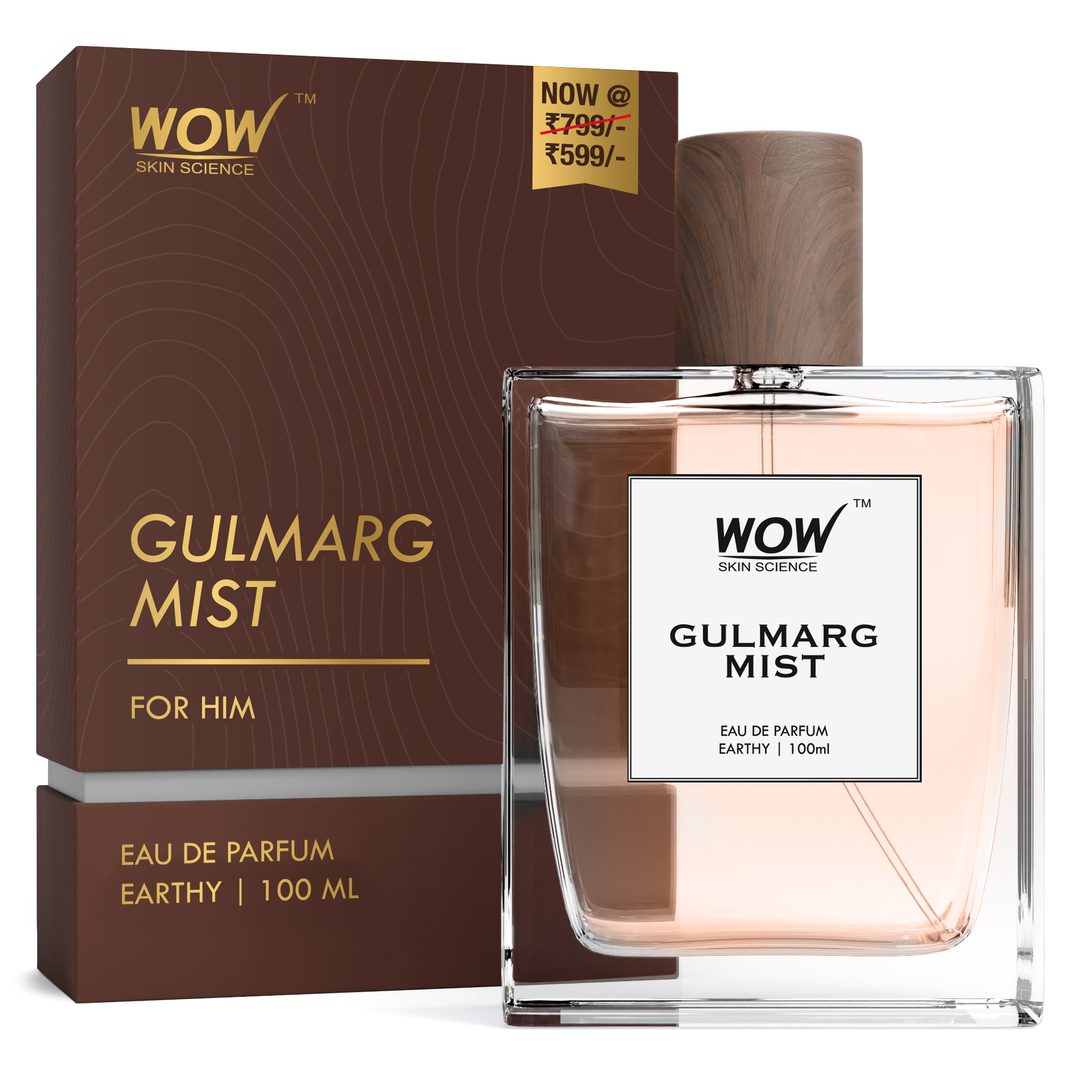
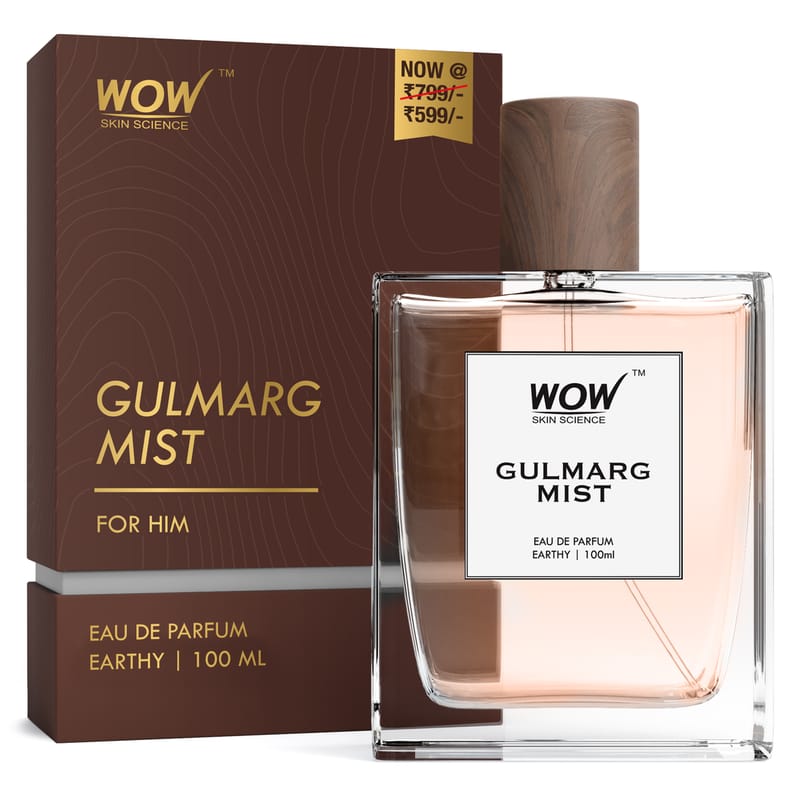
Shop: Gulmarg Mist Eau De Parfum → →
Building Your Signature Scent Wardrobe
Here's what seasoned perfume lovers know: you don't need one signature scent. You need a wardrobe. Different occasions, seasons, and moods call for different fragrances.
Daytime/Work: Fresh, clean, not overpowering
Evening/Dates: Warmer, more sensual, longer-lasting
Summer: Light citrus, aquatic, green notes
Monsoon/Winter: Spicy, woody, amber-based
Having variety lets you match your scent to your day, not force one fragrance to do everything.
The Biggest Mistakes People Make When Choosing Perfumes
Smart people make these errors constantly. Here's how to avoid them.
Mistake #1: Buying Without Testing on Your Skin
That paper strip is lying to you. It shows the perfume's raw formula, not how it'll smell on you. Your skin chemistry transforms everything.
Always spray on your wrist. Wait. Go grab coffee. Come back in an hour. If you still love it, that's your answer.
Mistake #2: Ignoring Seasonal and Occasion Variations
Wearing heavy vanilla musk in Mumbai summer? You'll feel cloying by noon. Light citrus at a winter wedding? It'll disappear before dinner.
Match fragrance intensity to temperature. Hot weather needs lighter, fresher scents. Cool weather can handle richer, deeper compositions.
Mistake #3: Overlooking Fragrance Layering Opportunities
You can create unique combinations by layering complementary scents. Start with a light base — maybe a citrus — then add depth with something woody or floral.
Having multiple fragrances also means you can experiment. Mix and match. Discover what makes you feel most confident. Fragrance kits that offer variety let you explore without committing to full bottles of scents you might not love.
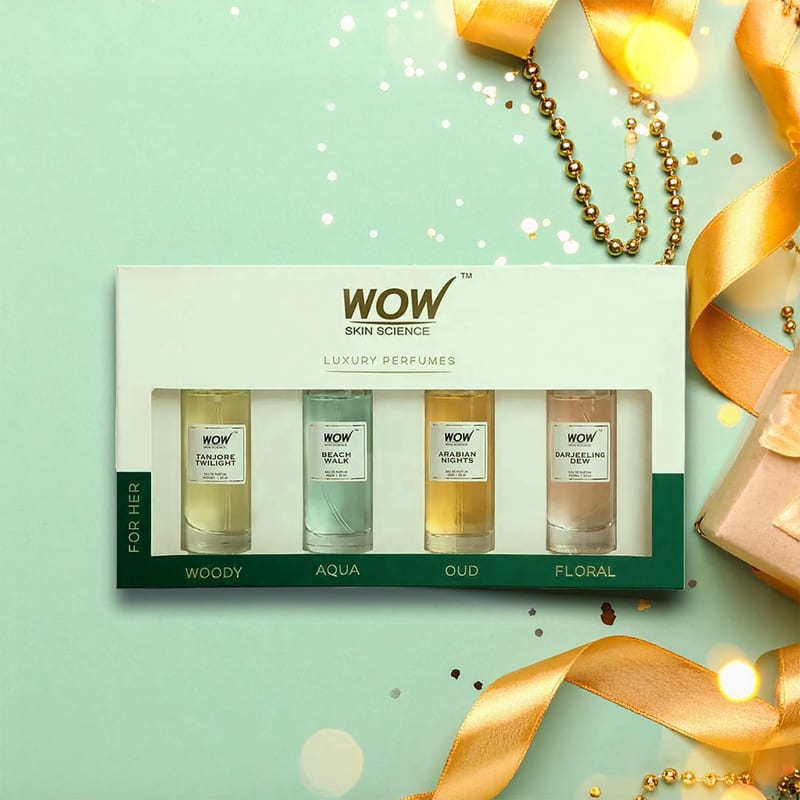
Shop: Eau De Parfum Kit for Her → →
Key Takeaways: Mastering the Art of Cupid Perfume Selection
Remember these essentials:
Your chemistry matters most — what smells divine on someone else might not work for you
Build a fragrance wardrobe — different scents for different occasions give you versatility
Always test on skin — paper strips don't tell the real story
Consider the season — lighter for summer heat, richer for cooler months
Let perfumes evolve — wait 30-60 minutes to experience the full development
Confidence is the secret ingredient — wear what makes you feel amazing
Frequently Asked Questions About Cupid Perfume
What makes a perfume attract attention like Cupid?
The most attractive perfumes balance familiarity with intrigue. They typically combine fresh notes (citrus, green) with warm undertones (woods, musk). More importantly, they match the wearer's personality and chemistry, creating an authentic, confident presence that naturally draws people in.
How long should a good eau de parfum last?
Eau de parfum typically lasts 6-8 hours on skin, with base notes lingering even longer on clothes. Longevity depends on concentration (15-20% fragrance oils for EDP), your skin type, and application method. Moisturized skin holds scent longer than dry skin.
Can I wear different perfumes for different occasions?
Absolutely — and you should! Professional settings call for subtle, fresh scents. Evening events can handle richer, more intense fragrances. Summer demands lighter compositions while winter welcomes deeper, spicier notes. Building a small collection gives you flexibility.
What's the difference between perfume, eau de parfum, and eau de toilette?
It's all about concentration. Perfume (parfum) has 20-30% fragrance oils and lasts longest. Eau de parfum contains 15-20% and offers excellent longevity. Eau de toilette has 5-15%, making it lighter and more affordable but requiring reapplication.
How should I store my perfume to make it last longer?
Keep bottles away from direct sunlight and heat — both break down fragrance molecules. Your bathroom might seem convenient, but humidity and temperature fluctuations damage perfumes. Store in a cool, dark place like a drawer or closet. Keep caps tightly sealed to prevent evaporation.
Enjoyed this article?
Get more beauty tips and skincare guides delivered to your inbox.
Related Articles
Lavender Perfume for Women: What Most People Miss
Most women skip lavender fragrances because they remember harsh, medicinal smells. Modern lavender perfume for women is complex, versatile, and surprisingly bold—here's what you're missing.
The Complete Guide to Perfume Gift Sets for Every Occasion
Perfume gift sets offer the perfect blend of thoughtfulness and practicality. Explore why fragrance sets make memorable gifts, how they provide exceptional value, and tips for choosing the ideal set for any occasion.

Lavender Perfume: What Most People Miss About This Scent
Lavender perfume isn't just for bedtime. Discover the hidden versatility and unexpected complexity of this misunderstood fragrance ingredient that's been a cornerstone of French perfumery since the 1600s.