

Omega 3 Capsules: What Most People Miss About Dosage
Discover what 70% of omega 3 capsule buyers miss about dosage and quality. Learn the difference between fish oil content and actual EPA/DHA that your body needs.
WOW Skin Science Editorial Team
Beauty experts sharing science-backed skincare tips.
Omega 3 Capsules: What Most People Miss About Dosage & Quality
You pick up a bottle of omega-3 capsules. The label screams "1000mg Fish Oil!" You feel good about your choice. Here's the problem: you might be getting only 300mg of the actual omega-3s your body needs.
Most people have no idea what they're really buying. The omega-3 market in India is flooded with products that look impressive but deliver surprisingly little. Studies show nearly 70% of urban Indians are deficient in omega-3 fatty acids, yet many who take supplements still don't get enough. Why? Because they're missing the crucial details about dosage, quality, and what those numbers on the label actually mean.
The EPA and DHA Ratio Nobody Talks About
Here's what actually matters: EPA and DHA content. Not total fish oil. These two omega-3 fatty acids do the heavy lifting for your heart, brain, and skin. But most capsules hide behind big numbers that don't tell the whole story.
Understanding EPA vs DHA: More Than Just Numbers
EPA (eicosapentaenoic acid) and DHA (docosahexaenoic acid) serve different purposes in your body. EPA primarily supports heart health and reduces inflammation. DHA concentrates in your brain and eyes, supporting cognitive function and vision.
Your body needs both. The ratio matters for different health goals. For heart health, you want higher EPA. For brain function during pregnancy or aging, DHA takes priority.
How Much EPA and DHA Do You Actually Need?
Research suggests 250-500mg combined EPA and DHA daily for basic health maintenance. For specific conditions, you need more:
Heart health: 1000mg combined EPA/DHA
Joint pain and inflammation: 1000-1300mg
Brain health and mood support: 1000-2000mg
Skin health and anti-aging: 500-1000mg
The World Health Organization recommends 250-500mg daily. American Heart Association suggests 1000mg for cardiovascular support.
Reading Labels: The 1000mg Deception
A bottle says "1000mg Fish Oil." Sounds great, right? Flip it over. Check the EPA and DHA breakdown. You might find only 180mg EPA and 120mg DHA. That's just 300mg of actual omega-3s.
The rest? Filler oils your body doesn't need. This is where triple-strength formulas make a real difference. Products like Omega-3 Fish Oil Capsules with 550mg EPA and 350mg DHA give you 900mg of actual omega-3s per capsule—three times more than standard formulas.
Shop: Omega-3 Fish Oil Capsules Heart, Brain & Skin Support → →
Always divide the total fish oil number by three. That's roughly what you're actually getting in most standard supplements.
5 Critical Mistakes When Choosing Omega-3 Capsules
Mistake #1: Ignoring Oxidation and Freshness
Fish oil oxidizes quickly. Rancid omega-3s smell fishy and can actually harm you instead of help. Fresh fish oil should smell mild, almost oceanic. If your capsules smell like dead fish, they've oxidized.
Check manufacturing dates. Look for dark bottles that protect from light. Store your omega-3s in the fridge after opening, especially during Indian summers.
Mistake #2: Buying Based on Price Per Bottle
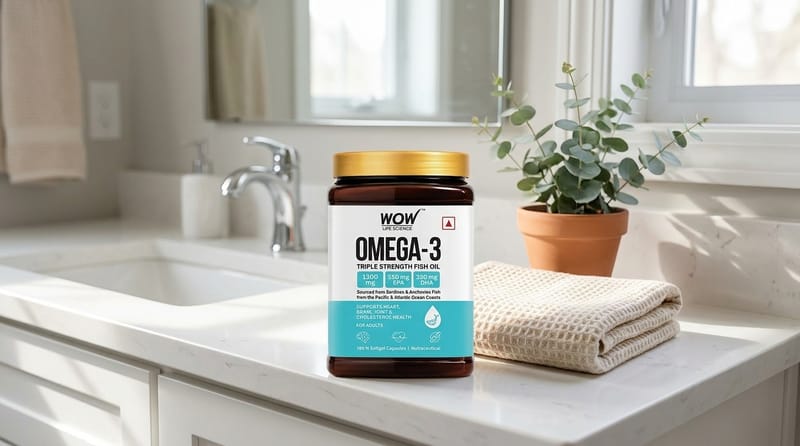
A ₹400 bottle with 60 capsules containing 300mg omega-3s costs you more than a ₹1000 bottle with 60 capsules containing 900mg. You need three cheap capsules to match one quality capsule. Do the math on actual EPA/DHA content, not bottle price.
Calculate cost per gram of EPA/DHA. That's your real price comparison.
Mistake #3: Not Checking the Source and Purity
Where did these fish come from? Were they tested for mercury, PCBs, and heavy metals? Small fish like anchovies and sardines accumulate fewer toxins than large fish. Molecular distillation removes contaminants.
Look for third-party testing certificates. Purity matters when you're taking something daily for months.
Mistake #4: Wrong Timing and Absorption
Your body absorbs omega-3s better with fat-containing meals. Taking capsules on an empty stomach wastes money and causes fishy burps. Take them with breakfast or dinner—meals that contain some healthy fats.
Split high doses throughout the day. Your body absorbs 500mg better than 2000mg all at once.
Mistake #5: Overlooking Synergistic Nutrients
Here's something most people miss: your gut health determines how well you absorb omega-3s. Poor gut health means poor absorption, no matter how premium your capsules are. Pairing omega-3s with gut-supporting nutrients makes sense.
The Omega-3 & Organic Apple Cider Vinegar Duo combines 1300mg fish oil with organic ACV to support both absorption and gut health. Your grandmother knew fermented foods helped everything work better—modern science confirms she was right.
Shop: Omega-3 & Organic Apple Cider Vinegar Duo Supports Heart & Gut Health → →
Beyond Heart Health: Unexpected Benefits Most People Miss
Everyone knows omega-3s help your heart. But these fatty acids do so much more. Many benefits fly under the radar because supplement companies focus on cardiovascular claims.
Omega-3 for Skin: The Beauty Connection
DHA makes up 30% of the fatty acids in your skin cell membranes. Omega-3s reduce inflammation that triggers acne, redness, and premature aging. They strengthen your skin barrier, helping it retain moisture in dry climates.
Studies show 1000mg daily omega-3s reduce UV damage and improve skin elasticity. In harsh Indian summers, that UV protection matters. You're essentially moisturizing from the inside out.
Joint Health and Inflammation Control
Stiff knees after your morning walk? Omega-3s reduce inflammatory markers that cause joint pain. EPA specifically blocks enzymes that break down cartilage. Many people notice reduced morning stiffness within 4-6 weeks at 1300mg daily.
Athletes and anyone with active lifestyles benefit from omega-3's anti-inflammatory properties. Less inflammation means faster recovery and better mobility.
Brain Function and Mental Clarity
Your brain is 60% fat. DHA is the primary structural fat in brain tissue. Low omega-3 levels link to brain fog, poor memory, and mood issues. Supplementing improves focus and cognitive processing speed.
Research shows 1000-2000mg daily supports mental clarity and may reduce age-related cognitive decline. For students and professionals facing mental demands, omega-3s act like brain maintenance.
Eye Health and Vision Support
DHA concentrates heavily in your retina. It supports visual development and protects against age-related macular degeneration. If you spend hours staring at screens, omega-3s help combat digital eye strain.
Dry eyes? That's often an omega-3 deficiency. Supplementation improves tear quality and reduces dryness within 6-12 weeks.
Dosage Decoded: How Much Is Enough (And When It's Too Much)
One size doesn't fit all. Your ideal omega-3 dosage depends on your health goals, diet, and current omega-3 status.
Personalized Dosing Based on Health Goals

Match your dosage to your needs:
General wellness: 250-500mg EPA/DHA daily
Heart health: 1000mg EPA/DHA daily
High triglycerides: 2000-4000mg (under medical supervision)
Joint support: 1000-1300mg daily
Skin and beauty: 500-1000mg daily
Brain health: 1000-2000mg daily, emphasizing DHA
Athletic recovery: 1300-2000mg daily
If you eat fatty fish twice weekly, you need less supplementation. Most Indians eating vegetarian or chicken-based diets need the full recommended dose.
The Best Time to Take Omega-3 Capsules
Take omega-3s with your largest meal of the day. Fat in your meal helps absorption. Many people split doses—half with breakfast, half with dinner. This reduces any digestive discomfort and maintains steady blood levels.
Consistency matters more than timing. Pick a routine and stick to it. Your body needs 4-6 weeks of regular intake to build up omega-3 levels.
Signs You're Taking Too Little (or Too Much)
Too little: Dry skin, brittle nails, joint stiffness, brain fog, rough bumpy skin on arms and thighs, poor wound healing.
Too much: Fishy aftertaste, loose stools, easy bruising, nosebleeds. Doses above 3000mg daily should be medically supervised. Omega-3s thin blood slightly—important if you're on blood thinners.
Most people can safely take 1000-2000mg daily. Higher doses need professional guidance.
Key Takeaways: Your Omega-3 Action Plan
Make smarter omega-3 choices with these essentials:
Check EPA/DHA content, not just total fish oil—aim for at least 500mg combined per capsule
Look for third-party purity testing to avoid heavy metals and contaminants
Calculate cost per gram of actual omega-3s, not per bottle
Take with fatty meals for better absorption
Store properly in cool, dark places to prevent oxidation
Support gut health to maximize omega-3 absorption
Match dosage to your goals—more isn't always better
Give it time—expect 4-6 weeks before noticing benefits
Check freshness—capsules shouldn't smell strongly fishy
Frequently Asked Questions About Omega-3 Capsules
Can I take omega-3 capsules on an empty stomach?
You can, but you shouldn't. Omega-3s absorb much better with food containing fat. Taking them on an empty stomach often causes fishy burps and reduces absorption by up to 50%. Always take omega-3 capsules with breakfast or dinner for best results.
How long does it take to see results from omega-3 supplements?
Most people notice benefits within 4-6 weeks of consistent daily use. Skin improvements appear around week 6-8. Joint pain relief may take 8-12 weeks. Heart health markers improve within 2-3 months. Brain benefits accumulate over 3-6 months of regular supplementation.
Are there any side effects of omega-3 fish oil capsules?
Mild side effects include fishy aftertaste, slight nausea, or loose stools—usually from taking too much at once. Split your dose throughout the day to minimize this. Omega-3s have blood-thinning effects, so consult your doctor if you take anticoagulant medications or have bleeding disorders.
What's the difference between omega-3, omega-6, and omega-9?
All are fatty acids, but they work differently. Omega-3s (from fish, flaxseed) reduce inflammation. Omega-6s (from vegetable oils) can promote inflammation when excessive. Omega-9s (from olive oil) are non-essential but beneficial. Most Indians get too much omega-6 and too little omega-3. The ideal ratio is 1:1 to 4:1 omega-6 to omega-3.
Can vegetarians take omega-3 capsules?
Fish-based omega-3 capsules aren't vegetarian. Vegetarians can choose algae-based omega-3 supplements, which provide DHA and sometimes EPA. Flaxseed and chia provide ALA, a plant omega-3, but your body converts only 5-10% to EPA/DHA. Algae supplements offer the most direct vegetarian source of EPA and DHA.
Enjoyed this article?
Get more beauty tips and skincare guides delivered to your inbox.
Related Articles

ಒಮೆಗಾ 3 ಕ್ಯಾಪ್ಸುಲ್ಗಳು: ಹೆಚ್ಚಿನ ಜನರು ಏನು ತಪ್ಪಿಸುತ್ತಾರೆ
ಹೆಚ್ಚಿನ ಜನರು ಹೃದಯ ಆರೋಗ್ಯಕ್ಕಾಗಿ ಒಮೆಗಾ 3 ಕ್ಯಾಪ್ಸುಲ್ಗಳನ್ನು ತೆಗೆದುಕೊಳ್ಳುತ್ತಾರೆ, ಆದರೆ ಮೆದುಳಿನ ಕಾರ್ಯ, ಚರ್ಮ ಮತ್ತು ಜೋಡಿಗಳಿಗೆ ಅತ್ಯಂತ ಮುಖ್ಯವಾದ ಪ್ರಯೋಜನಗಳನ್ನು ತಪ್ಪಿಸುತ್ತಾರೆ. ನೀವು ಏನು ತಪ್ಪು ಮಾಡುತ್ತಿದ್ದೀರಿ ಮತ್ತು ಫಲಿತಾಂಶಗಳನ್ನು ಹೇಗೆ ಗರಿಷ್ಠಗೊಳಿಸುವುದು ಎಂಬುದನ್ನು ತಿಳಿಯಿರಿ.

ଓମେଗା ୩ କ୍ୟାପସୁଲ: ଅଧିକାଂଶ ଲୋକ କ'ଣ ମିସ୍ କରନ୍ତି
ଅଧିକାଂଶ ଲୋକ ହୃଦୟ ସ୍ୱାସ୍ଥ୍ୟ ପାଇଁ ଓମେଗା ୩ କ୍ୟାପସୁଲ ନିଅନ୍ତି, କିନ୍ତୁ ମସ୍ତିଷ୍କ କାର୍ଯ୍ୟ, ତ୍ୱଚା ଏବଂ ଜଣ୍ଟ ପାଇଁ ଗୁରୁତ୍ୱପୂର୍ଣ୍ଣ ଲାଭ ମିସ୍ କରନ୍ତି। ଆପଣ କ'ଣ ଭୁଲ କରୁଛନ୍ତି ଏବଂ ଫଳାଫଳ ସର୍ବାଧିକ କରିବାକୁ କିପରି ଶିଖନ୍ତୁ।
ਓਮੇਗਾ 3 ਕੈਪਸੂਲ: ਜ਼ਿਆਦਾਤਰ ਲੋਕ ਕੀ ਮਿਸ ਕਰਦੇ ਹਨ
ਜ਼ਿਆਦਾਤਰ ਲੋਕ ਦਿਲ ਦੀ ਸਿਹਤ ਲਈ ਓਮੇਗਾ 3 ਕੈਪਸੂਲ ਲੈਂਦੇ ਹਨ, ਪਰ ਦਿਮਾਗ ਦੀ ਕਾਰਜਸ਼ੀਲਤਾ, ਚਮੜੀ ਅਤੇ ਜੋੜਾਂ ਲਈ ਮਹੱਤਵਪੂਰਨ ਲਾਭ ਨੂੰ ਨਜ਼ਰਅੰਦਾਜ਼ ਕਰ ਦਿੰਦੇ ਹਨ। ਜਾਣੋ ਕਿ ਤੁਸੀਂ ਕੀ ਗਲਤ ਕਰ ਰਹੇ ਹੋ ਅਤੇ ਨਤੀਜਿਆਂ ਨੂੰ ਕਿਵੇਂ ਵੱਧ ਤੋਂ ਵੱਧ ਕਰੋ।