
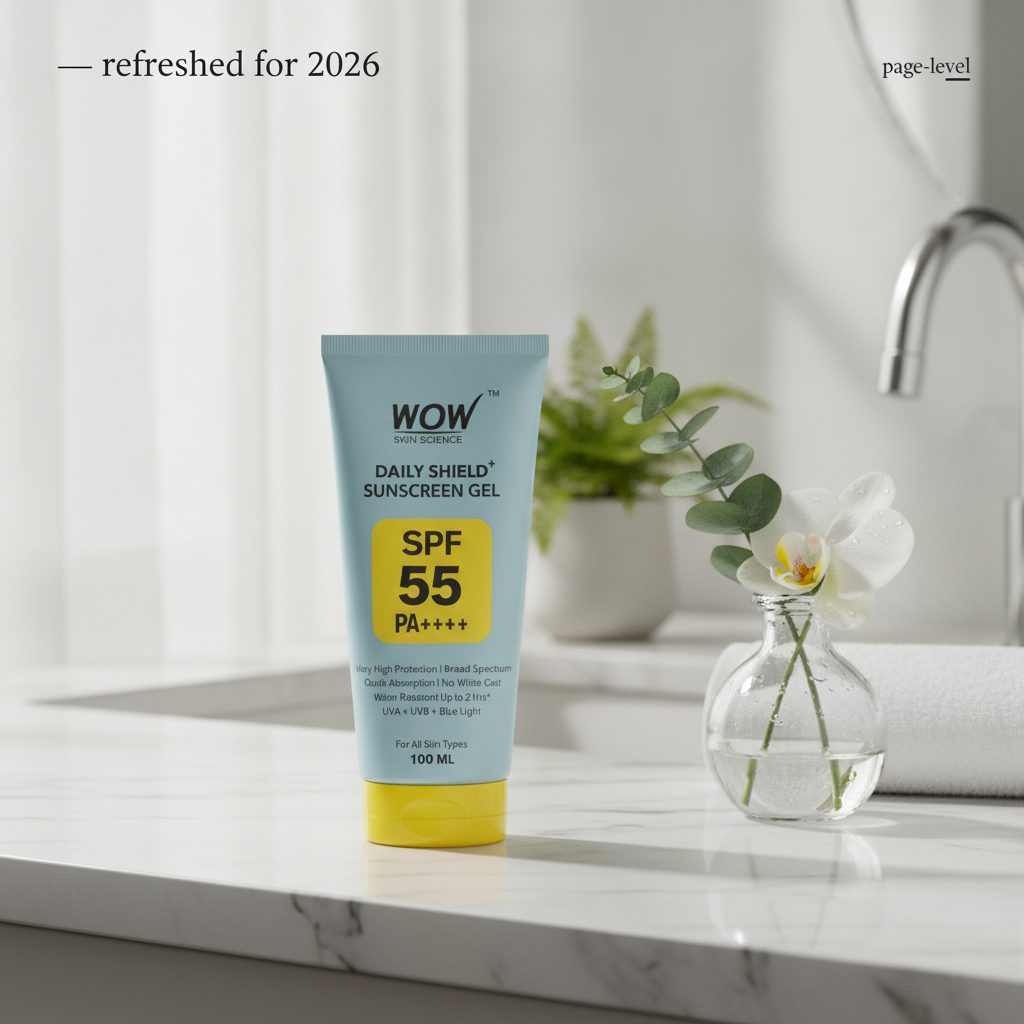
Page-Level Sunscreen Guide 2026: Complete Protection & Care
Discover the complete page-level sunscreen approach for 2026. Learn why comprehensive UV protection across all exposed skin surfaces is essential, and get expert strategies for daily sun defense.
WOW Skin Science Editorial Team
Beauty experts sharing science-backed skincare tips.
Page-Level Sunscreen Guide 2026: Protection & Care
Your grandmother probably told you to stay out of the midday sun. Smart advice, but here's what she didn't know: UV damage happens even on cloudy days, and our atmosphere today lets through more harmful rays than ever before. The sunscreen you're using might not be enough anymore.
Understanding Page-Level Sun Protection in 2026
What Does Page-Level Mean in Skincare?
Think of your skin like a book. Page-level protection means covering every single "page" — every exposed area, every layer of skin that sees daylight. It's not just about slapping on sunscreen before beach trips anymore.
Page-level protection = comprehensive coverage across all exposed skin surfaces, reapplied throughout the day.
This approach recognizes that UV damage is cumulative. Your face, neck, hands, and even your scalp (if you have thinning hair) need consistent, broad-spectrum defense. Every day. Rain or shine.
Why 2026 Sunscreen Standards Have Evolved
Climate change has thinned our ozone layer. UV radiation levels in Indian cities like Bangalore and Delhi are 15-20% higher than they were a decade ago. Your skin notices the difference even if you don't.
Modern sunscreens now tackle multiple aggressors: UVA rays (aging), UVB rays (burning), pollution particles, and blue light from screens. The SPF number alone doesn't tell the whole story anymore. You need PA++++ ratings for UVA protection and anti-pollution shields for urban living.
The Science Behind Modern SPF Formulations
Older sunscreens sat on your skin like a thick blanket. Modern gel-based formulas work differently — they create an invisible protective matrix that absorbs quickly without that greasy film. The secret? Advanced polymer technology that binds UV filters to your skin more effectively.
Quick-absorbing gels also mean you'll actually use them daily. That's half the battle won.
Key Features to Look for in 2026 Sunscreens
SPF 50+ vs SPF 55: Understanding the Difference
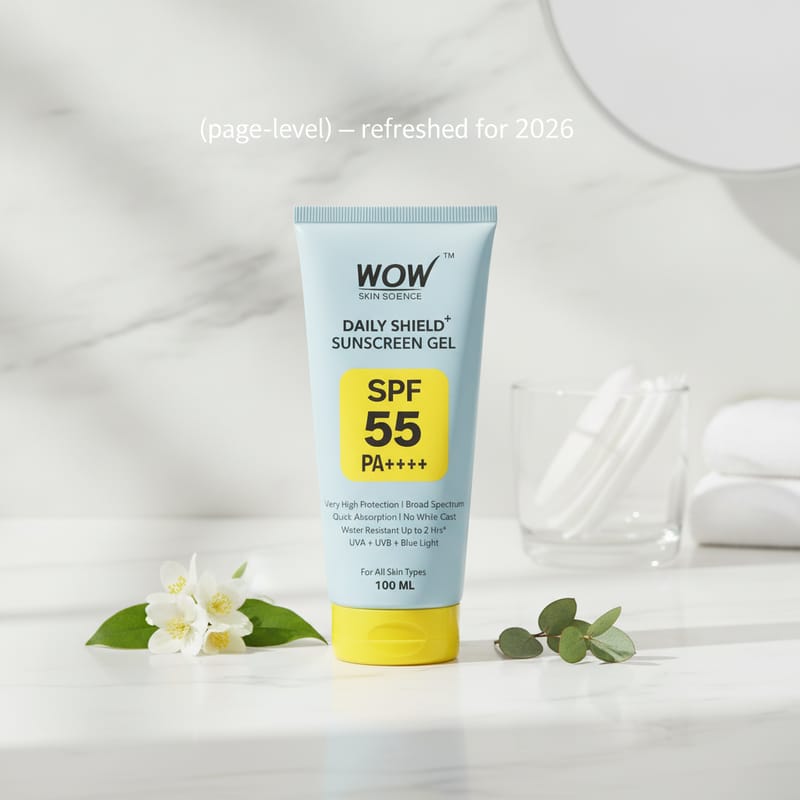
SPF 50 blocks about 98% of UVB rays. SPF 55 blocks approximately 98.2%. Tiny difference, right? Here's what matters more: how much you apply and how often you reapply.
That said, higher SPF gives you a slightly longer protection window. If SPF 50 theoretically gives you 500 minutes of protection, SPF 55 extends that to around 550 minutes. The real benefit? A buffer for when you don't apply quite enough (and most of us don't).
PA++++ Rating Explained
PA stands for Protection Grade of UVA rays. The + signs tell you how much UVA protection you're getting:
PA+: Some UVA protection
PA++: Moderate protection
PA+++: High protection
PA++++: Highest UVA protection available (blocks over 90% of UVA rays)
UVA rays penetrate deeper than UVB. They cause wrinkles, dark spots, and skin aging. In Mumbai's harsh sun or Pune's year-round UV exposure, PA++++ isn't optional — it's essential.
Anti-Pollution Technology in Sunscreens
Pollution particles are smaller than your pores. They generate free radicals that break down collagen and trigger inflammation. Mix that with UV exposure, and you've got a recipe for premature aging.
Anti-pollution sunscreens create a protective film that prevents particulate matter from settling into your skin. They often contain antioxidants that neutralize free radicals before they cause damage. If you live in any Indian metro, this technology is worth every rupee.
Shop: Anti-Pollution Sunscreen Gel SPF 50 PA++++ → →
Best Sunscreen Gels for Different Skin Types
Sunscreen for Oily and Combination Skin
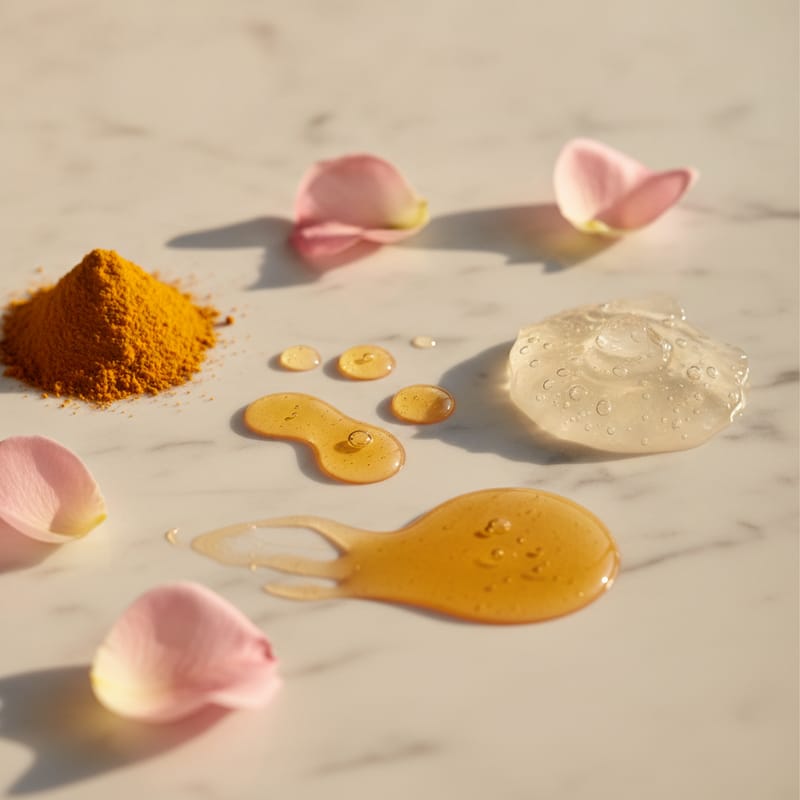
Oily skin needs lightweight, non-comedogenic formulas that won't clog pores or add shine. Gel textures work beautifully because they're water-based rather than oil-based.
Look for these qualities:
Matte or semi-matte finish
Quick absorption (under 60 seconds)
No white cast
Water-resistant formula that stays put through sweat
The Daily Shield Sunscreen Gel SPF 55 PA++++ offers exactly this combination — lightweight protection without the grease, even in Hyderabad's humidity or Chennai's coastal heat.
Shop: Daily Shield Sunscreen Gel SPF 55 PA++++ → →
Hydrating Sunscreen for Dry Skin
Dry skin faces a unique challenge: you need sun protection and moisture. Traditional sunscreens can feel drying, making your skin tight and flaky by afternoon.
Gel-based formulas with hydrating ingredients solve this problem. They lock in moisture while creating a protective barrier. Your skin stays supple, not parched.
The key is finding a sunscreen that doubles as a moisturizer. This saves time in your morning routine and ensures your skin barrier stays healthy while fighting UV damage.
How to Apply Sunscreen Correctly in 2026
The Two-Finger Rule and Proper Application
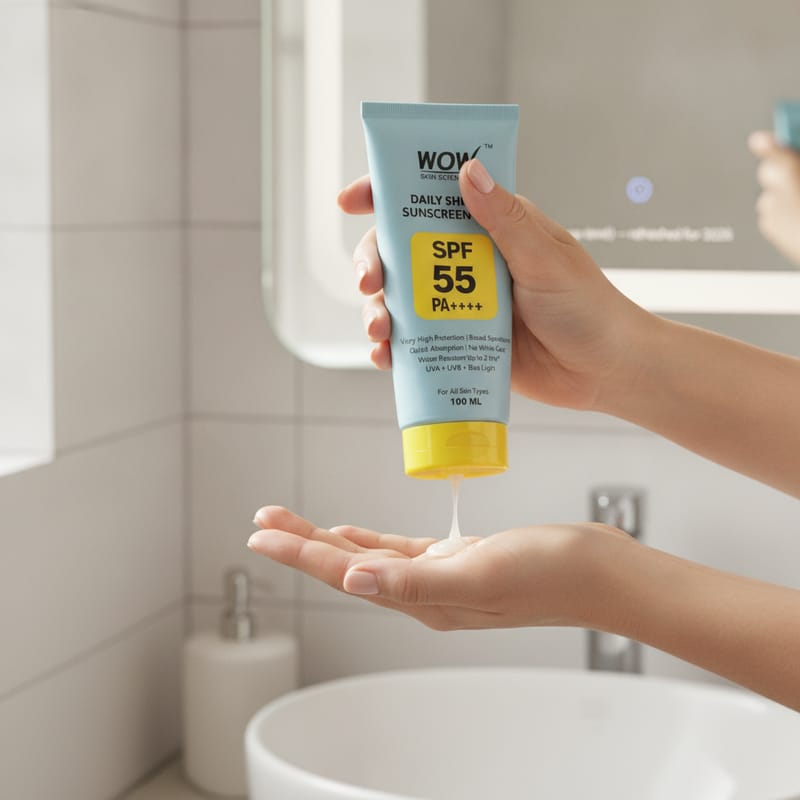
Most people use only 25-50% of the sunscreen they actually need. Here's the fix: squeeze sunscreen along your index and middle fingers from base to tip. That's roughly one application for your face and neck.
Application order matters:
Cleanse your face
Apply any serums or treatments
Wait 2-3 minutes
Apply sunscreen as your final skincare step
Wait 15 minutes before makeup or stepping outside
Gel formulas make this easier because they layer beautifully under makeup without pilling.
Reapplication Guidelines for Maximum Protection
Reapply every 2 hours if you're outdoors. Indoors near windows? Every 4 hours works. After swimming or heavy sweating? Immediately.
Keep a small tube in your bag. Set a phone reminder. Make it as automatic as checking Instagram — your future skin will thank you.
Water-resistant formulas give you about 40-80 minutes of protection while swimming or exercising. Don't push it beyond that.
Frequently Asked Questions
What is the difference between SPF 50 and SPF 55?
SPF 50 blocks about 98% of UVB rays, while SPF 55 blocks approximately 98.2%. The difference is minimal in terms of protection percentage, but SPF 55 provides a slightly longer protection window and better coverage if you don't apply enough product (which most people don't). Both are excellent choices for daily protection.
How often should I reapply sunscreen throughout the day?
Reapply every 2 hours when outdoors in direct sunlight. If you're indoors most of the day, reapplication every 4 hours is sufficient, especially if you sit near windows. After swimming, sweating heavily, or toweling off, reapply immediately regardless of time elapsed. Water-resistant formulas extend protection during water activities but still need reapplication.
Can sunscreen gel work for both oily and dry skin?
Absolutely. Modern gel formulas are versatile enough for all skin types. For oily skin, they provide lightweight, non-greasy protection that won't clog pores. For dry skin, look for gel formulas with added hydrating ingredients that lock in moisture while protecting. The key is choosing a formula specifically designed for broad-spectrum use across skin types.
What does PA++++ mean and why is it important?
PA++++ indicates the highest level of UVA protection available, blocking over 90% of UVA rays. While SPF measures UVB protection (which causes sunburn), PA ratings measure UVA protection (which causes aging, wrinkles, and dark spots). UVA rays penetrate deeper into skin and are present year-round, even through clouds and windows. PA++++ is essential for preventing long-term skin damage.
Is anti-pollution sunscreen necessary if I don't live in a city?
While anti-pollution technology is most beneficial in urban environments with high particulate matter, it still offers advantages in smaller towns. Pollution from vehicles, construction, and industry exists everywhere, just in varying concentrations. The antioxidants in anti-pollution sunscreens also protect against environmental stressors like free radicals from UV exposure itself, making them beneficial regardless of location.
Enjoyed this article?
Get more beauty tips and skincare guides delivered to your inbox.
Related Articles
ಮುಖದ ಸೆರಮ್ಗೆ ಸಂಪೂರ್ಣ ಮಾರ್ಗದರ್ಶಿ: ಪ್ರಯೋಜನಗಳು ಮತ್ತು ಬಳಕೆಯ ವಿಧಾನ
ಮುಖದ ಸೆರಮ್ಗಳು ಸಾಂದ್ರೀಕೃತ ಸಕ್ರಿಯ ಘಟಕಗಳನ್ನು ಮಾಯ್ಸ್ಚರೈজರ್ಗಳಿಗಿಂತ ಹೆಚ್ಚು ಆಳಕ್ಕೆ ನಿಮ್ಮ ಚರ್ಮಕ್ಕೆ ಪೌಷ್ಠಿಕತೆ ನೀಡುತ್ತವೆ. ಅವುಗಳನ್ನು ಅಗತ್ಯವಾಗಿ ಮಾಡುವುದು ಏನು, ಲಭ್ಯವಿರುವ ವಿವಿಧ ಪ್ರಕಾರಗಳು ಮತ್ತು ಸರ್ವೋತ್ತಮ ಫಲಿತಾಂಶಗಳಿಗಾಗಿ ಅವುಗಳನ್ನು ಸರಿಯಾಗಿ ಬಳಸುವುದು ಹೇಗೆ ಎಂಬುದನ್ನು ತಿಳಿಯಿರಿ.
ମୁଖ ସେରାମ ପାଇଁ ସମ୍ପୂର୍ଣ୍ଣ ଗାଇଡ: ଲାଭ ଏବଂ ବ୍ୟବହାର ପଦ୍ଧତି
ଫେସ ସେରାମ ମଶ୍ଚୁରାଇଜରଠାରୁ ଅଧିକ ଗଭୀରତାରେ ଆପଣଙ୍କ ତ୍ୱଚାରେ ଏକାଗ୍ର ସକ୍ରିୟ ଉପାଦାନ ସরବରାହ କରେ। ସେଗୁଡ଼ିକ କାହିଁକି ଅପରିହାର୍ଯ୍ୟ, ବିଭିନ୍ନ ପ୍ରକାର ଏবଂ ସର୍ବୋତ୍ତମ ଫଳାଫଳ ପାଇଁ ସେଗୁଡ଼ିକୁ ସଠିକ ଭାବରେ କିପରି ବ୍ୟବହାର କରିବେ ତାହା ଜାଣନ୍ତୁ।
ਚਿਹਰੇ ਲਈ ਸੀਰਮ ਦੀ ਸੰਪੂਰਨ ਗਾਈਡ: ਲਾਭ ਅਤੇ ਉਪਯੋਗ ਦਾ ਤਰੀਕਾ
ਚਿਹਰੇ ਦੇ ਸੀਰਮ ਮੌਸਚਰਾਈਜ਼ਰ ਨਾਲੋਂ ਤੁਹਾਡੀ ਚਮੜੀ ਵਿੱਚ ਗਹਿਰਾਈ ਵਿੱਚ ਕੇਂਦ੍ਰਿਤ ਸਰਗਰਮ ਤੱਤ ਪਹੁੰਚਾਉਂਦੇ ਹਨ। ਜਾਣੋ ਕਿ ਉਹ ਕਿਉਂ ਜ਼ਰੂਰੀ ਹਨ, ਕਿਹੜੀਆਂ ਵੱਖ-ਵੱਖ ਕਿਸਮਾਂ ਉਪਲਬਧ ਹਨ, ਅਤੇ ਸਰਵੋਤਮ ਨਤੀਜਿਆਂ ਲਈ ਉਹਨਾਂ ਨੂੰ ਸਹੀ ਤਰੀਕੇ ਨਾਲ ਕਿਵੇਂ ਵਰਤਣਾ ਹੈ।