
WOW Science: What Most People Miss About Skincare Ingredients
Most skincare brands claim to be science-backed, but the real WOW science lies in ingredient concentrations. Learn why the percentage of active ingredients matters more than marketing claims.
WOW Skin Science Editorial Team
Beauty experts sharing science-backed skincare tips.
What is WOW Science and Why It Matters for Your Skin
You've probably noticed something strange happening in skincare. Every brand claims their products are "science-backed" or "clinically proven." But when you flip the bottle around, the ingredient list tells a different story. The star ingredient you bought it for? It's listed near the bottom, after three types of fragrance.
This is where real skincare science gets interesting. The concentration of an active ingredient matters just as much as the ingredient itself. A product with 0.5% niacinamide won't give you the same results as one with 10%, no matter how pretty the packaging looks.
The Philosophy Behind WOW Skin Science
Here's what works really well: transparency. When a serum says it contains 2% salicylic acid, that's exactly what you're getting. Not "a blend featuring salicylic acid" or "infused with." The actual percentage matters because scientific studies test specific concentrations. A study showing niacinamide reduces hyperpigmentation at 5% concentration doesn't mean 0.5% will work the same way.
Think of it like cooking. A recipe calling for two teaspoons of salt won't taste right with just a pinch. Your skin works the same way.
Science-Backed Formulations vs. Marketing Hype
Real ingredient science means understanding how molecules interact with your skin cells. Hyaluronic acid doesn't just "hydrate" — its molecular weight determines how deeply it penetrates. Different molecular weights target different skin layers. That's the kind of detail that separates effective products from expensive water.
The Indian climate adds another layer of complexity. What works in Seoul's dry winters won't necessarily work in Mumbai's humid summers. Your skin needs formulations that consider temperature, humidity, and pollution levels.
The Hidden Power of Active Ingredient Concentrations
Most people buy skincare based on ingredient names. They see "hyaluronic acid" on the label and assume all hyaluronic acid products work the same. They don't.
Why Percentage Matters: The 2% and 10% Rule
Research shows clear efficacy thresholds for popular actives. Below these concentrations, you're basically applying expensive moisturizer. Here's what actually works:
Niacinamide: Effective at 2-10%. Studies show visible results for oil control and even skin tone start at 5%. Lower concentrations? Not backed by the same research.
Hyaluronic Acid: Optimal at 1-2%. Sounds low, but this ingredient is incredibly powerful. Higher concentrations don't necessarily work better and can feel sticky.
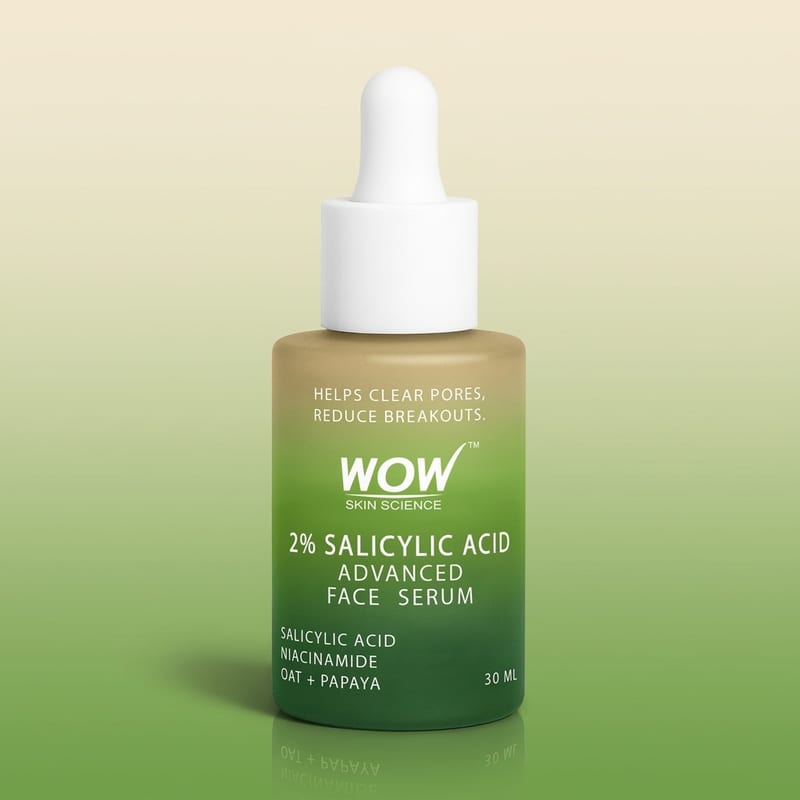
Salicylic Acid: Effective at 0.5-2% for facial use. Below 0.5%, you won't get the pore-clearing benefits. Above 2%, you risk irritation without extra benefits.
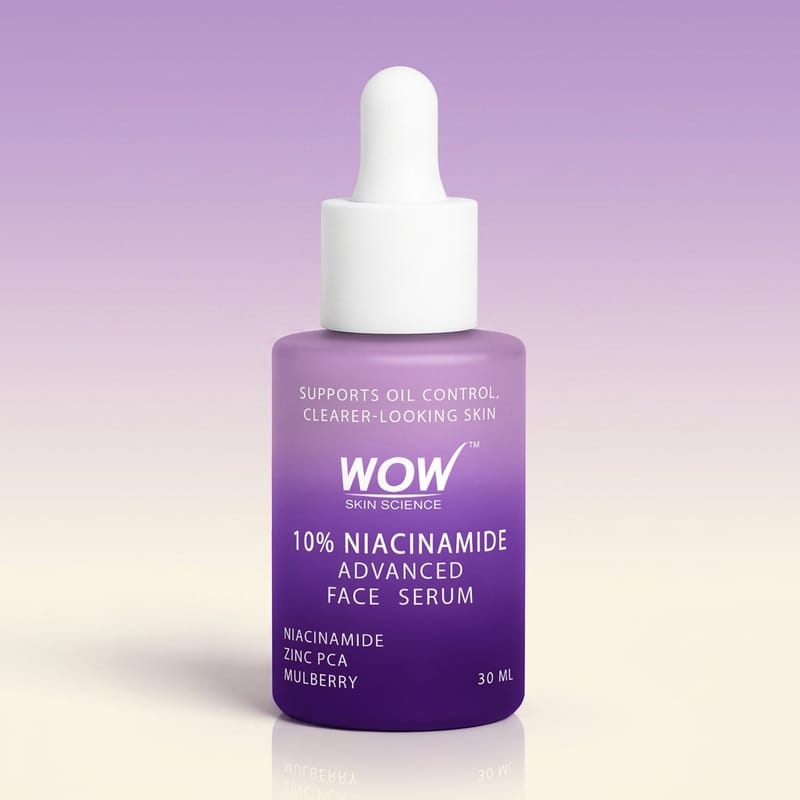
Products formulated with 10% Niacinamide Face Serum hit that sweet spot where research shows maximum effectiveness for oil control and brightening without irritation.
Shop: 10% Niacinamide Face Serum → →
What Most Brands Don't Tell You About Dilution
Here's something frustrating: many brands list impressive ingredients but don't tell you the concentration. When niacinamide appears as the eighth ingredient after multiple humectants and preservatives, you're probably getting less than 1%. That's below the efficacy threshold.
Indian regulations don't require brands to list percentages. Smart shoppers read ingredient lists carefully. Ingredients appear in descending order by weight. If your "hero ingredient" is near the bottom, you're not getting enough to see real results.
Three Game-Changing Ingredients Most People Misunderstand
Niacinamide: The Multi-Tasking Powerhouse
Niacinamide (Vitamin B3) does something remarkable at the cellular level. It boosts ceramide production in your skin barrier. Ceramides are the "mortar" between your skin cells, keeping moisture in and irritants out.
Here's what research actually shows niacinamide does:
Reduces sebum production by 20-30% in oily skin types
Fades hyperpigmentation by interfering with melanin transfer
Strengthens skin barrier function within 4 weeks
Reduces inflammation (perfect for acne-prone skin)
Minimizes pore appearance by keeping them clear
The biggest myth? That niacinamide can't be used with vitamin C. This came from one old study using unstable forms of vitamin C. Modern, stabilized formulations work fine together.
Hyaluronic Acid: Beyond Basic Hydration
Everyone knows hyaluronic acid hydrates. What they miss is how. This molecule holds 1000 times its weight in water. One gram can hold six liters. But here's the catch: it pulls moisture from wherever it can find it.
In humid climates like Kerala or coastal areas, hyaluronic acid pulls moisture from the air into your skin. Perfect. In dry climates like Rajasthan during summer, it might pull moisture from deeper skin layers to the surface. That's why you always apply it to damp skin and seal it with moisturizer.
Different molecular weights work at different depths:
High molecular weight: Sits on skin surface, creates barrier, immediate plumping
Low molecular weight: Penetrates deeper, long-term hydration, fine line reduction
Multi-weight formulas: Best of both worlds
Salicylic Acid: The Pore-Clearing Champion
Salicylic acid is oil-soluble. This matters more than you'd think. Most active ingredients are water-soluble, so they can't penetrate oily pores effectively. Salicylic acid dives right in.
Inside your pores, it does two things. First, it breaks down the "glue" holding dead skin cells together. Second, it reduces inflammation. This combination makes it incredibly effective for acne, blackheads, and enlarged pores.
My grandmother always swore by besan and turmeric for acne. She was onto something — turmeric contains salicylic acid naturally. Modern formulations just give you higher, more consistent concentrations.
How to Build a Science-Based Skincare Routine
Layering Active Serums: The Right Order
The golden rule: thinnest to thickest consistency. Your skin absorbs products better this way. Here's the sequence that works:
Cleanse (morning and night)
Tone (if you use toner)
Active serums (thinnest first)
Moisturizer
Sunscreen (morning only)
When using multiple serums, wait 30-60 seconds between applications. Your skin needs time to absorb each layer. Rushing means products mix on your skin surface instead of penetrating properly.
Morning vs. Night: When to Use Which Active
Some actives work better at specific times. Salicylic acid can increase sun sensitivity, so evening application makes sense. Niacinamide works beautifully morning and night because it actually helps protect against UV damage and pollution.
Morning routine for oily, acne-prone skin:
Gentle cleanser
10% Niacinamide serum (oil control + brightening)
Light moisturizer
SPF 30+ sunscreen
Evening routine:
Double cleanse if wearing makeup/sunscreen
2% Salicylic Acid serum (pore clearing)
Richer moisturizer
For dry or dehydrated skin, swap salicylic acid for 2% Hyaluronic Acid Face Serum applied to damp skin for that deep hydration and plumping effect.
Shop: 2% Hyaluronic Acid Face Serum → →
Combining Ingredients Safely for Maximum Results
Not all actives play well together. Some combinations reduce effectiveness. Others increase irritation risk. Here's your compatibility guide:
Safe combinations:
Niacinamide + Hyaluronic Acid (excellent pair)
Niacinamide + Salicylic Acid (use at different times)
Hyaluronic Acid + any other active
Use with caution:
Multiple exfoliating acids together (start slowly)
Retinol + Salicylic Acid (use on alternate nights initially)
Avoid mixing in the same routine:
Vitamin C + Retinol (use at different times of day)
Common Skincare Mistakes That Undermine Active Ingredients
Using Too Many Actives at Once
More isn't better. Your skin can only process so much at once. Starting five new actives simultaneously overwhelms your skin barrier. You can't tell which product causes reactions. Results get muddled.
Start with one active. Use it consistently for 4-6 weeks. Add the next one only after your skin adjusts. This is especially important in Indian climates where heat and pollution already stress your skin.
Ignoring Skin Barrier Health
Every active ingredient you use puts slight stress on your skin barrier. That's how they work — they trigger cellular changes. But if your barrier is already compromised (dry patches, sensitivity, redness), actives will irritate rather than improve.
Signs your barrier needs help:
Stinging when applying products that never bothered you before
Increased sensitivity to weather changes
Persistent dryness despite moisturizing
Redness that won't calm down
Fix your barrier first with simple hydrators and ceramides. Then reintroduce actives slowly.
Expecting Overnight Miracles
Skin cell turnover takes 28 days. That's how long before the skin cells you're treating today reach the surface. Real results take time:
Hydration (Hyaluronic Acid): 1-2 weeks for visible plumping
Oil control (Niacinamide): 2-4 weeks for reduced shine
Hyperpigmentation (Niacinamide): 8-12 weeks for noticeable fading
Acne (Salicylic Acid): 4-6 weeks for reduced breakouts
Consistency beats intensity. Daily use of properly concentrated actives works better than occasional use of super-strong treatments.
Key Takeaways: Mastering WOW Science for Better Skin
Your skincare should be as smart as you are. Here's what actually matters:
Concentration is king — check that your active ingredients appear high on the ingredient list and meet research-backed percentages
One problem, one solution — target your biggest skin concern first with the right active ingredient
Layer smart — thin to thick, wait between applications, don't mix incompatible actives
Climate matters — adjust your routine for Indian weather (lighter textures in summer, more hydration in winter)
Patience pays off — give each active 4-8 weeks before judging results
Barrier health first — if your skin feels sensitive or irritated, pause actives and rebuild your barrier
Quality over quantity — three well-formulated products beat ten mediocre ones
Frequently Asked Questions About WOW Science
What does WOW Science mean in skincare? WOW Science focuses on transparent, research-backed formulations with clinically effective concentrations of active ingredients. Instead of hiding behind proprietary blends, the approach clearly states percentages so you know exactly what you're putting on your skin.
What percentage of niacinamide is most effective for skin? Research shows 5-10% niacinamide delivers optimal results for oil control, pore minimizing, and brightening. Lower concentrations (2-5%) can work but take longer to show results. Concentrations above 10% don't provide additional benefits and may cause flushing in sensitive skin.
Can I use hyaluronic acid and salicylic acid together? Absolutely. Hyaluronic acid hydrates while salicylic acid exfoliates inside pores. They work through different mechanisms and complement each other beautifully. Apply salicylic acid first, wait 30 seconds, then layer hyaluronic acid on damp skin for best results.
How long does it take to see results from active ingredients? Most actives show initial results in 2-4 weeks, with full benefits visible at 8-12 weeks. Hydration from hyaluronic acid works fastest (days), while hyperpigmentation fading from niacinamide takes longer (weeks to months). Consistency matters more than concentration for long-term results.
Are WOW Skin Science serums suitable for sensitive skin? Yes, when introduced gradually. Start with lower-concentration actives like 2% hyaluronic acid. Patch test new products on your inner arm for 24 hours. For sensitive skin, use actives every other day initially, then increase frequency as your skin builds tolerance.
Enjoyed this article?
Get more beauty tips and skincare guides delivered to your inbox.
Related Articles
WOW Science: ಸ್ಕಿನ್ಕೇರ್ ಪದಾರ್ಥಗಳ ಬಗ್ಗೆ ಹೆಚ್ಚಿನ ಜನರು ಏನು ತಪ್ಪಿಸುತ್ತಾರೆ
ಹೆಚ್ಚಿನ ಜನರು ವೈಜ್ಞಾನಿಕವಾಗಿ ಸಮರ್ಥಿತ ಸ್ಕಿನ್ಕೇರ್ ಪದಾರ್ಥಗಳನ್ನು ಸಂಪೂರ್ಣವಾಗಿ ತಪ್ಪಾಗಿ ಬಳಸುತ್ತಾರೆ. ಪ್ರಕಾಶಮಾನ ಚರ್ಮ ಮತ್ತು ವ್ಯರ್ಥವಾದ ಹಣದ ನಡುವಿನ ವ್ಯತ್ಯಾಸ ಮಾರ್ಕೆಟಿಂಗ್ ಹೈಪ್ ಅಲ್ಲ, ಆದರೆ ನಿಜವಾದ ರಸಾಯನಶಾಸ್ತ್ರವನ್ನು ಅರ್ಥಮಾಡಿಕೊಳ್ಳುವುದರ ಮೇಲೆ ಅವಲಂಬಿತವಾಗಿದೆ.
WOW Science: ତ୍ୱଚା ପରିଚର୍ଯ୍ୟା ଉପାଦାନ ବିଷୟରେ ଅଧିକାଂଶ ଲୋକ କ'ଣ ମିସ୍ କରନ୍ତି
ଅଧିକାଂଶ ଲୋକ ବୈଜ୍ଞାନିକ ଭାବେ ସମର୍ଥିତ ତ୍ୱଚା ପରିଚର୍ଯ୍ୟା ଉପାଦାନ ସଂପୂର୍ଣ୍ଣ ଭାବେ ଭୁଲ ଭାବେ ବ୍ୟବହାର କରନ୍ତି। ଉଜ୍ଜ୍ୱଳ ତ୍ୱଚା ଏବଂ ନଷ୍ଟ ଅର୍ଥର ମଧ୍ୟରେ ପାର୍ଥକ୍ୟ ମାର୍କେଟିଂ ହାଇପ୍ ନୁହେଁ, ବରଂ ପ୍ରକୃତ ରସାୟନ ବିଜ୍ଞାନ ବୁଝିବାରେ ନିହିତ।
WOW Science: ਸਕਿਨਕੇਅਰ ਸਮੱਗਰੀ ਬਾਰੇ ਜ਼ਿਆਦਾਤਰ ਲੋਕ ਕੀ ਮਿਸ ਕਰਦੇ ਹਨ
ਜ਼ਿਆਦਾਤਰ ਲੋਕ ਵਿਗਿਆਨ-ਸਮਰਥਿਤ ਸਕਿਨਕੇਅਰ ਸਮੱਗਰੀ ਬਿਲਕੁਲ ਗਲਤ ਤਰੀਕੇ ਨਾਲ ਵਰਤਦੇ ਹਨ। ਚਮਕਦਾਰ ਚਮੜੀ ਅਤੇ ਬਰਬਾਦ ਪੈਸੇ ਵਿੱਚ ਅੰਤਰ ਅਸਲ ਰਸਾਇਣ ਨੂੰ ਸਮਝਣ ਵਿੱਚ ਹੈ, ਮਾਰਕੀਟਿੰਗ ਹਾਈਪ ਵਿੱਚ ਨਹੀਂ।