
wow science: What Most People Miss About Skincare Ingredients
Most skincare products rely on trendy ingredient names to sell, but wow science reveals the truth: concentration, pH, and delivery systems determine if your serums actually work or just sit on your skin.
WOW Skin Science Editorial Team
Beauty experts sharing science-backed skincare tips.
WOW Science: What Most People Miss About Skincare Ingredients
Your bathroom shelf is probably lined with serums promising miracles. But here's what nobody tells you: the fancy ingredient name on the bottle means nothing if the concentration is wrong. Or if the pH isn't optimized. Or if you're layering it incorrectly.
Most brands rely on trendy ingredient names to sell products. They skip the part where science actually matters. The concentration. The delivery system. The formulation pH. These details determine whether your serum works or just sits on your skin doing nothing.
What is WOW Science? The Foundation Most People Overlook
Beyond Marketing: Understanding Evidence-Based Skincare
Science-backed skincare means every ingredient earns its place through clinical research. Not Instagram hype. Not celebrity endorsements. Actual laboratory studies showing real results at specific concentrations.
Think about it this way: you wouldn't take half a paracetamol and expect full relief. Skincare works the same way. The concentration percentage determines efficacy. A product with "niacinamide" listed fifth on the ingredient list probably contains 1-2%. Research shows benefits appear at 5% and peak at 10%.
The Three Pillars of WOW Science Formulation
Clinical concentration levels: Active ingredients at percentages proven effective in peer-reviewed studies. Not trace amounts for label appeal.
pH optimization: Each active ingredient works within a specific pH range. Vitamin C needs pH 3.5 or lower. Salicylic acid performs best between 3-4. Get the pH wrong, and the ingredient becomes inactive.
Ingredient stability: Many actives degrade when exposed to light, air, or water. Proper packaging and stabilizers keep them potent until they reach your skin.
The difference between science-backed and marketing-driven formulations is simple:
Marketing-driven: Lists trending ingredients regardless of concentration
Science-backed: Uses clinically effective percentages with proper pH
Marketing-driven: Combines incompatible ingredients that cancel each other out
Science-backed: Layers compatible actives that enhance absorption
Marketing-driven: Pretty packaging, vague claims
Science-backed: Opaque bottles, specific concentration labels, measurable results
The Concentration Myth: Why Percentage Matters More Than You Think
Decoding Active Ingredient Percentages
Your skin has a threshold. Below it, ingredients do nothing. Above it, you risk irritation without extra benefits. This sweet spot varies by ingredient.
Hyaluronic acid shows results at 0.1-2%. Niacinamide needs 5-10%. Salicylic acid works at 0.5-2% for daily use. These aren't random numbers. They're based on decades of dermatological research.
Here's what different concentration ranges mean:
0.1-1%: Maintenance doses, suitable for sensitive skin
2-5%: Moderate strength, visible results within weeks
5-10%: Clinical strength for specific concerns
10%+: Professional-grade, requires careful introduction
The Goldilocks Zone: Too Little vs. Too Much
Too little means wasted money. Your ₹600 serum becomes expensive water. Too much triggers inflammation, redness, and barrier damage. Mumbai's humidity already challenges your skin barrier. Adding overly aggressive actives makes it worse.
The Indian climate adds another layer of complexity. Our hot, humid summers mean increased sebum production. Winter brings dry air that compromises the skin barrier. Your active concentration needs match these seasonal changes.
What 2%, 10%, and Clinical Concentrations Really Mean
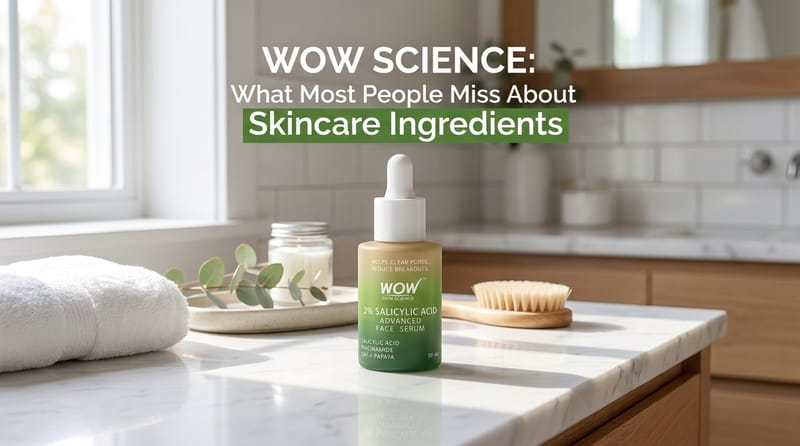
2% concentration typically indicates daily-use strength. Perfect for consistent, gentle results. Salicylic acid at 2% exfoliates without stripping. Hyaluronic acid at 2% provides deep hydration without heaviness.
10% concentration represents clinical efficacy. Niacinamide at 10% reduces sebum production by 30-40% in 8-12 weeks. Studies consistently show this percentage delivers maximum benefits with minimal irritation.
Clinical concentrations mean dermatologist-recommended strengths. These percentages appear in published research. When a product claims "clinically proven," check if they're using research-backed concentrations.
The Missing Link: Salicylic Acid Science Most Brands Don't Explain
How Salicylic Acid Actually Penetrates Pores
Salicylic acid is lipid-soluble. This matters enormously. While water-soluble acids (like glycolic) work on the skin surface, salicylic acid dissolves into your sebum. It travels deep into pores, breaking apart the oil and dead cells clogging them.
Think of it as the difference between mopping your floor versus cleaning inside your drain. Surface cleaning looks good temporarily. Deep cleaning solves the actual problem.
For oily skin types common in Indian genetics, this penetration ability is crucial. Our higher sebum production means more opportunity for clogged pores. Salicylic acid addresses this at the source.
The pH Factor Everyone Ignores
Salicylic acid only works in acidic environments. Specifically, pH 3-4. Above pH 4, it becomes less effective. Above pH 5, it barely works at all.
Your cleanser matters here. If you're using a high-pH soap (pH 9-10), you're raising your skin's pH. Then you apply salicylic acid. Your skin needs 20-30 minutes to return to its natural acidic state. During this time, your expensive serum sits there doing nothing.
Why 2% is the Sweet Spot for Daily Use
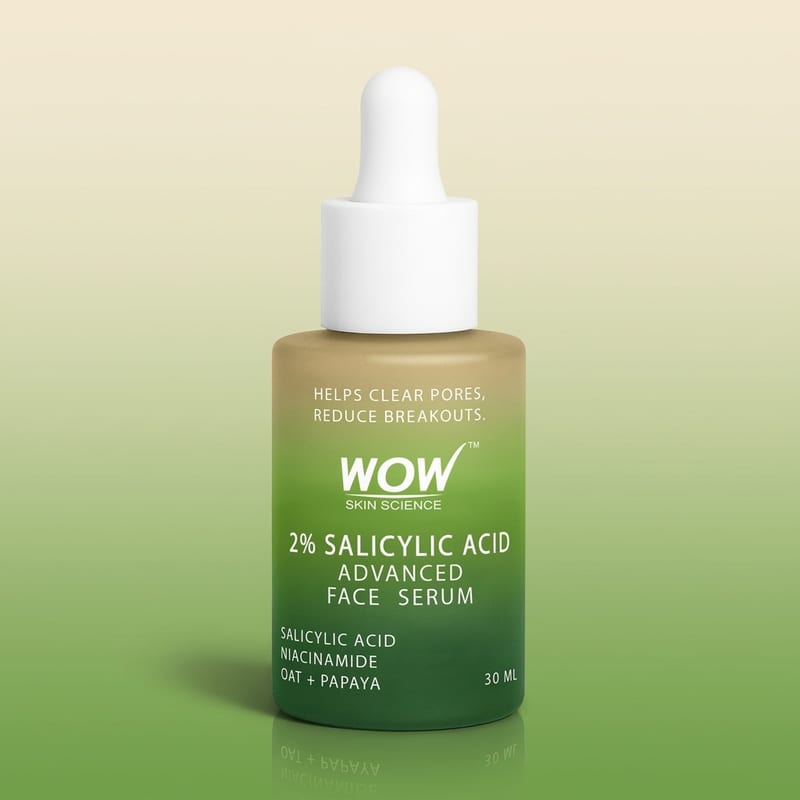
Dermatologists recommend 2% salicylic acid for consistent daily use. It's strong enough to unclog pores and control oil. Gentle enough to avoid over-exfoliation. Higher percentages (like 10-20%) are for professional peels, not home use.
Products like the 2% Salicylic Acid Face Serum deliver this optimal concentration with proper pH balance, making them effective for daily pore-clearing without irritation.
Shop: 2% Salicylic Acid Face Serum → →
Niacinamide: The Multitasker Science Forgot to Advertise
The 5 Cellular Mechanisms of Niacinamide
Niacinamide works on multiple skin pathways simultaneously. First, it boosts ceramide production. Ceramides are the "cement" between your skin cells. More ceramides mean stronger barrier function.
Second, it regulates sebum production at the cellular level. Studies show 10% niacinamide reduces sebum by 35% in 8 weeks. Perfect for Indian skin types prone to oiliness.
Third, it inhibits melanosome transfer. Melanin doesn't cause dark spots by existing—it causes them by transferring from melanocytes to surrounding skin cells. Niacinamide blocks this transfer, preventing pigmentation.
Fourth, it has anti-inflammatory properties. It reduces inflammatory markers like cytokines. This helps with acne, redness, and sensitivity.
Fifth, it strengthens the skin barrier by increasing natural moisturizing factor (NMF) production. Your skin holds water better. Looks plumper. Feels softer.
Why 10% Concentration Delivers Maximum Benefits
Research consistently shows niacinamide's benefits plateau at 10%. Below 5%, results are minimal. At 10%, you get maximum sebum reduction, barrier strengthening, and brightening effects. Above 10%, benefits don't increase—but irritation risk does.
The 10% Niacinamide Face Serum provides this clinically-proven concentration, making it effective for oil control and achieving an even complexion without overloading your skin.
Shop: 10% Niacinamide Face Serum → →
The Niacinamide + Salicylic Acid Compatibility Truth
Old skincare wisdom said never mix niacinamide with acids. This came from outdated research. Modern formulations with proper pH buffers allow these ingredients to work together beautifully.
Niacinamide is pH-flexible (works from pH 5-7). Salicylic acid needs pH 3-4. When formulated correctly, they complement each other. Salicylic acid unclogs pores. Niacinamide calms inflammation and controls future oil production.
Just use them at different times. Salicylic acid in the evening. Niacinamide in the morning. Or wait 10-15 minutes between applications.
Hyaluronic Acid: The Hydration Science You're Getting Wrong
Molecular Weight: The Critical Detail Brands Hide
Hyaluronic acid comes in different molecular weights. This determines where it works. High molecular weight (1000-1800 kDa) sits on the skin surface, creating a moisture barrier. Low molecular weight (50-1000 kDa) penetrates deeper, hydrating from within.
You need both. Surface hydration prevents water loss. Deep hydration plumps from underneath. Multi-weight formulations give you complete hydration at every skin layer.
Single-weight formulations only address one depth. It's like watering a plant only at the roots or only on the leaves. You need both for optimal health.
The Humidity Paradox and How to Avoid It
Here's what most articles won't tell you: hyaluronic acid can dehydrate your skin. It holds 1000 times its weight in water. But if there's no water around to grab, it pulls moisture from deeper skin layers.
In low-humidity environments (like air-conditioned offices or Delhi winters), this becomes a problem. Apply hyaluronic acid on damp skin. Then seal it with a moisturizer. This traps the water and prevents reverse osmosis.
Mumbai's monsoon season? Perfect for hyaluronic acid. Bangalore's dry winter? You need extra steps to make it work properly.
Layering Science: When to Apply HA for Maximum Absorption
Apply hyaluronic acid on freshly cleansed, still-damp skin. This gives it water molecules to bind with. Wait 30-60 seconds. Then apply your moisturizer or oil to seal everything in.
Never apply it on completely dry skin. You're wasting product and potentially causing dehydration. Never leave it unsealed. The water will evaporate, taking your skin's natural moisture with it.
Key Takeaways: WOW Science Essentials
Concentration determines efficacy: Ingredient names mean nothing without proper percentages
pH matters as much as ingredients: Actives only work within specific pH ranges
Molecular weight affects penetration: Size determines whether ingredients work on surface or deep layers
Layering order changes results: Apply thinnest to thickest, pH-dependent first
Climate impacts ingredient performance: Adjust your routine based on humidity and temperature
Clinical percentages aren't negotiable: 2% salicylic acid, 10% niacinamide, 2% hyaluronic acid are research-backed standards
Timing enhances compatibility: Separate incompatible actives by time or AM/PM application
Frequently Asked Questions About WOW Science
How long does it take to see results from science-backed serums?
Your skin cells turn over every 28 days. For surface improvements like hydration, expect results in 1-2 weeks. For deeper changes like sebum regulation or pigmentation, allow 6-8 weeks. Cellular-level changes take time. Science-backed formulations work with your skin's natural processes, not against them.
Can I use multiple active serums in the same routine?
Yes, when layered correctly. Apply pH-dependent actives (like salicylic acid) first. Wait 10 minutes. Then apply pH-independent actives (like niacinamide or hyaluronic acid). Or separate them—acids at night, antioxidants in the morning. Your skin can handle multiple actives if you introduce them gradually.
What's the difference between WOW Science formulations and regular serums?
Science-backed formulations use clinically-proven concentrations with optimized pH levels. Regular serums often list trending ingredients without effective percentages. The difference shows in results. One delivers measurable improvements in 8-12 weeks. The other looks good on Instagram but doesn't change your skin.
Do higher percentages of active ingredients work faster?
Not usually. They just irritate faster. Efficacy plateaus at specific concentrations. More niacinamide beyond 10% doesn't increase benefits. More salicylic acid beyond 2% (for daily use) just damages your barrier. Higher isn't better—optimal is better.
How do I know if a product concentration is clinically effective?
Check the ingredient list. Active ingredients appear in descending order by concentration. If your "niacinamide serum" lists niacinamide fifth or sixth, it's probably under 2%. Look for products that state the concentration on the label: "10% Niacinamide" or "2% Salicylic Acid." Transparency indicates confidence in formulation.
Enjoyed this article?
Get more beauty tips and skincare guides delivered to your inbox.
Related Articles
WOW Science: ಸ್ಕಿನ್ಕೇರ್ ಪದಾರ್ಥಗಳ ಬಗ್ಗೆ ಹೆಚ್ಚಿನ ಜನರು ಏನು ತಪ್ಪಿಸುತ್ತಾರೆ
ಹೆಚ್ಚಿನ ಜನರು ವೈಜ್ಞಾನಿಕವಾಗಿ ಸಮರ್ಥಿತ ಸ್ಕಿನ್ಕೇರ್ ಪದಾರ್ಥಗಳನ್ನು ಸಂಪೂರ್ಣವಾಗಿ ತಪ್ಪಾಗಿ ಬಳಸುತ್ತಾರೆ. ಪ್ರಕಾಶಮಾನ ಚರ್ಮ ಮತ್ತು ವ್ಯರ್ಥವಾದ ಹಣದ ನಡುವಿನ ವ್ಯತ್ಯಾಸ ಮಾರ್ಕೆಟಿಂಗ್ ಹೈಪ್ ಅಲ್ಲ, ಆದರೆ ನಿಜವಾದ ರಸಾಯನಶಾಸ್ತ್ರವನ್ನು ಅರ್ಥಮಾಡಿಕೊಳ್ಳುವುದರ ಮೇಲೆ ಅವಲಂಬಿತವಾಗಿದೆ.
WOW Science: ତ୍ୱଚା ପରିଚର୍ଯ୍ୟା ଉପାଦାନ ବିଷୟରେ ଅଧିକାଂଶ ଲୋକ କ'ଣ ମିସ୍ କରନ୍ତି
ଅଧିକାଂଶ ଲୋକ ବୈଜ୍ଞାନିକ ଭାବେ ସମର୍ଥିତ ତ୍ୱଚା ପରିଚର୍ଯ୍ୟା ଉପାଦାନ ସଂପୂର୍ଣ୍ଣ ଭାବେ ଭୁଲ ଭାବେ ବ୍ୟବହାର କରନ୍ତି। ଉଜ୍ଜ୍ୱଳ ତ୍ୱଚା ଏବଂ ନଷ୍ଟ ଅର୍ଥର ମଧ୍ୟରେ ପାର୍ଥକ୍ୟ ମାର୍କେଟିଂ ହାଇପ୍ ନୁହେଁ, ବରଂ ପ୍ରକୃତ ରସାୟନ ବିଜ୍ଞାନ ବୁଝିବାରେ ନିହିତ।
WOW Science: ਸਕਿਨਕੇਅਰ ਸਮੱਗਰੀ ਬਾਰੇ ਜ਼ਿਆਦਾਤਰ ਲੋਕ ਕੀ ਮਿਸ ਕਰਦੇ ਹਨ
ਜ਼ਿਆਦਾਤਰ ਲੋਕ ਵਿਗਿਆਨ-ਸਮਰਥਿਤ ਸਕਿਨਕੇਅਰ ਸਮੱਗਰੀ ਬਿਲਕੁਲ ਗਲਤ ਤਰੀਕੇ ਨਾਲ ਵਰਤਦੇ ਹਨ। ਚਮਕਦਾਰ ਚਮੜੀ ਅਤੇ ਬਰਬਾਦ ਪੈਸੇ ਵਿੱਚ ਅੰਤਰ ਅਸਲ ਰਸਾਇਣ ਨੂੰ ਸਮਝਣ ਵਿੱਚ ਹੈ, ਮਾਰਕੀਟਿੰਗ ਹਾਈਪ ਵਿੱਚ ਨਹੀਂ।