Castor Oil for Hair: 7 Smart Ways to Use It
Castor oil conditions hair and seals in moisture. Dilute it, use a little, and wash it out well. Here are seven ways to use it right.
G
Garima · WOW Editorial Team·7 min read·Updated 22 Nov 2026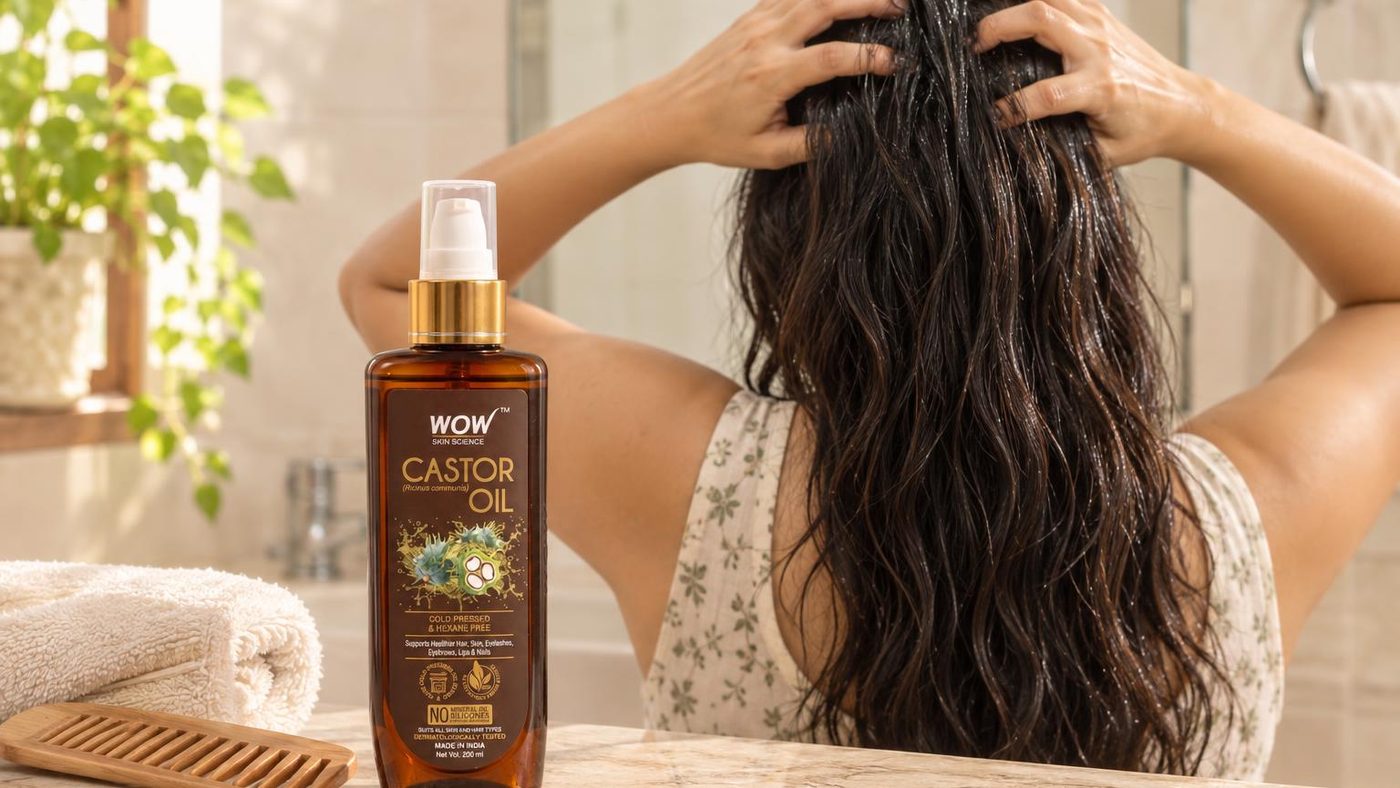

Castor oil conditions hair and seals in moisture. Dilute it, use a little, and wash it out well. Here are seven ways to use it right.
IN SHORT
Castor oil for hair works best as a conditioner and sealant, not a miracle. It is thick, rich in ricinoleic acid, and clings to strands, which helps lock in moisture and smooth dry ends. Used well, it can make hair feel softer and look less frizzy. Used badly, it feels sticky and is hard to wash out. Here are seven practical ways to use it, ordered by how useful they are for most hair types, plus who should go easy this post-monsoon season.
Pure castor oil is very thick and sticky. On its own, it is hard to spread and harder to wash out. The easy fix is to dilute it. Mix one part castor oil with two or three parts of a lighter oil, such as coconut, almond or olive oil. Warm the bowl slightly in hot water. Part your hair into sections and massage a few drops into the scalp with your fingertips for five minutes. Then run what is left down the lengths. Leave it on for one to two hours before washing. The massage feels relaxing and spreads the oil evenly, while castor oil coats strands and helps lock in moisture. Once or twice a week is enough for most people. If your scalp feels heavy the next day, use less.
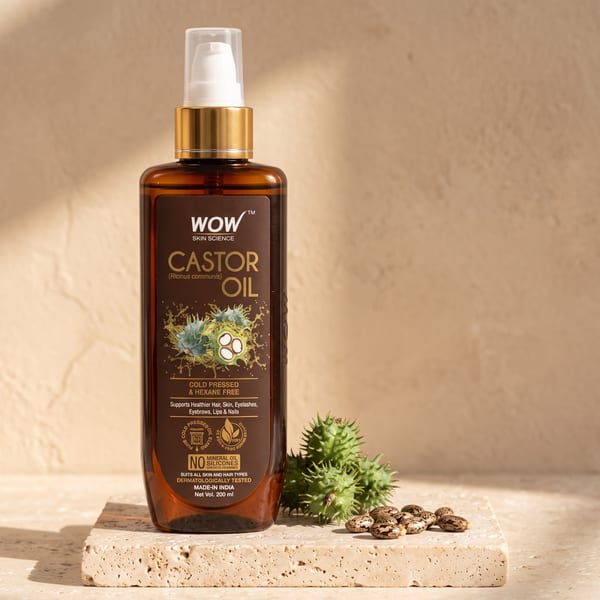
Ends are the oldest part of your hair. Sun, heat styling, tight buns and festive blow-dries leave them dry and rough. Castor oil works well here because its thickness helps it cling to the hair surface. After washing, while hair is still a little damp, rub two or three drops between your palms. Smooth it over the last few inches only, not the roots. This helps ends look smoother and feel softer, and may reduce the look of breakage when you comb. Remember that no oil can join split ends back together. A trim is the only real fix for splits that are already there. Oil simply helps protect the ends you still have. Thick or curly hair may need a drop more. Fine hair often needs just one.
Post-monsoon weather swings between sticky humidity and dry, dusty days. Hair often turns frizzy and dull in this phase. A weekly mask can help. Mix one teaspoon of castor oil with two tablespoons of fresh aloe vera gel or plain curd. For long hair, double the amounts. Apply it to the lengths and a little on the scalp, then cover with a shower cap. Leave it for 30 to 45 minutes and wash with a mild shampoo. Aloe and curd add slip and softness, while castor oil helps seal moisture in. Do a patch test on your inner arm first if you have not used these before. Skip curd if your scalp tends to itch or flake, and use aloe instead.
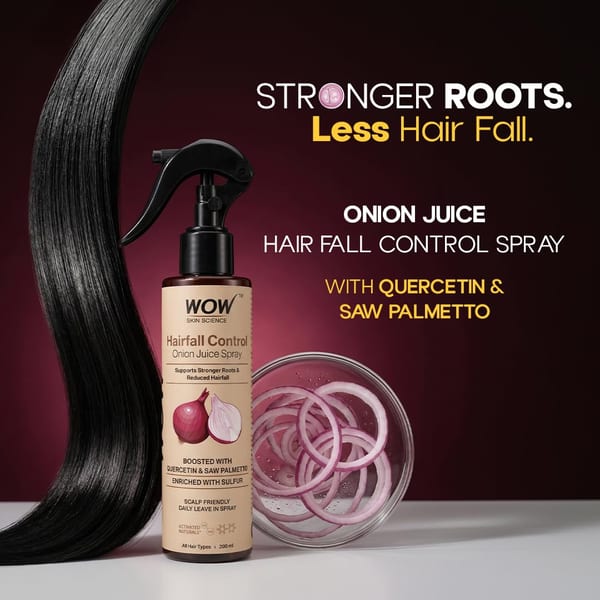
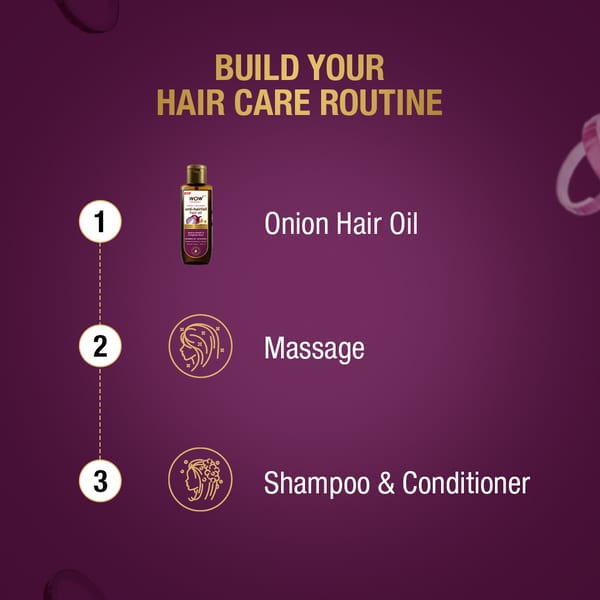
Many people try castor oil because they are worried about hair fall. It helps to be clear: castor oil nourishes the scalp and conditions hair, but it is not a cure for hair loss. Breakage from dry, brittle strands is one common reason hair looks thinner, and regular oiling helps with that. If you want something ready to use, an onion hair oil made with a blend of plant oils spreads more easily than pure castor oil and saves you the mixing. Use it as a pre-wash massage two or three times a week. If you notice sudden shedding, bald patches, or hair fall lasting more than a few months, see a dermatologist. Stress, thyroid health, iron levels and diet can all play a role.
Festive looks, from sleek buns to braids, often get spoilt by flyaways. A tiny amount of castor oil can help. Put one drop on your fingertip, rub it with your thumb, and press it lightly over frizzy spots and edges. You can also put a drop on a clean spoolie or old toothbrush and smooth baby hairs into place. Because the oil is thick, it holds hair down better than lighter oils. The key word is tiny. Too much will make hair look greasy in photos. If you have fine or oily hair, mix the drop with a little aloe gel first. Wash it out the same day or the next, so it does not trap dust and sweat on your scalp.
Castor oil is a popular home habit for brows and lashes. It conditions the hairs and gives them a neat, glossy look. Use a clean spoolie or cotton bud with a very small amount. Brush it through your brows before bed. For lashes, apply only to the tips of the outer lashes, never inside the eye. If oil gets into your eyes, rinse with clean water. Stop if you feel stinging, redness or swelling. Use a pure, hexane-free castor oil meant for cosmetic use, and keep a small separate bottle for your face so it stays clean. Do not expect thicker brows or lashes; think of it as conditioning. If you have an eye condition or wear contact lenses, check with a doctor first.
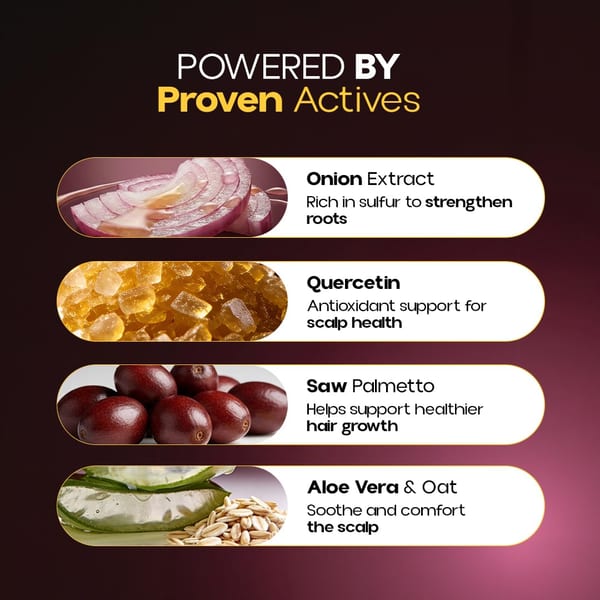
Castor oil is not right for every scalp. In humid weather, a thick oil can sit on an oily scalp, trap sweat and dust, and leave hair limp. If you have dandruff, heavy oil may make flakes clump together. In these cases, keep castor oil on the lengths and ends only. Wash it out within one to two hours, not overnight. On days you want scalp care without the heaviness, a water-based scalp spray is a lighter choice. Spray it on the scalp, massage gently and leave it in. If your dandruff is stubborn, itchy or painful, see a dermatologist rather than adding more oil. Always patch test castor oil on your inner arm for 24 hours before the first full use.
QUICK PICKS
Castor oil is not a proven way to grow new hair. It helps condition strands and the scalp, which can reduce the look of breakage. Less breakage can make hair look fuller over time. For thinning or patchy hair fall, please consult a dermatologist.
One to two hours before washing works well for most people. Leaving it overnight is fine for dry hair, but it can feel heavy and trap sweat and dust in humid weather. If you have an oily or flaky scalp, keep the time short.
Apply shampoo to your oiled hair before adding water. Work it in, then add a little water and lather. Rinse and shampoo once more if needed. In areas with hard water, a final rinse with filtered water can help hair feel less coated.
Daily full oiling is not needed and can weigh hair down. Once or twice a week is enough for scalp massage. You can use one or two drops on dry ends or flyaways more often, as long as your hair does not look greasy.
Was this guide helpful?
Your feedback helps us improve our next refresh.
This guide is for general information and isn't medical advice. For persistent concerns, see a dermatologist or doctor. Patch-test new products.
STILL UNSURE?
Find your 3-step routine in 60s
Get skincare and haircare guides from the WOW Editorial Team delivered to your inbox.
By subscribing you agree to receive emails from BuyWOW. Unsubscribe anytime.
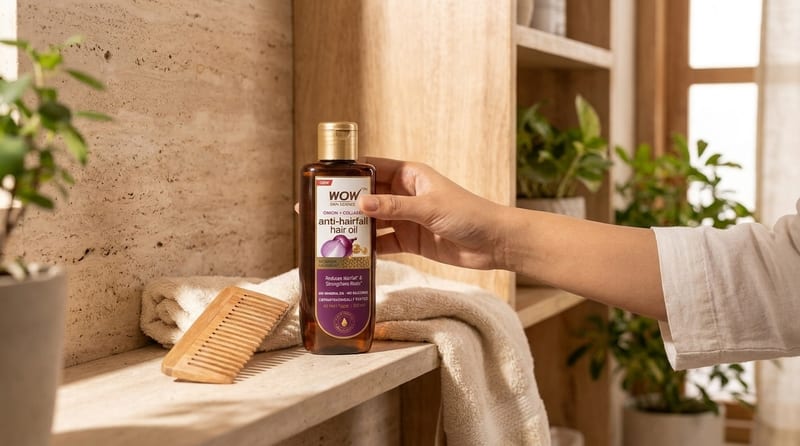
Onion oil is a sulfur-rich hair care powerhouse backed by both generations of traditional use and modern science. Learn how it nourishes follicles, reduces hair fall, and promotes thicker, stronger hair growth.
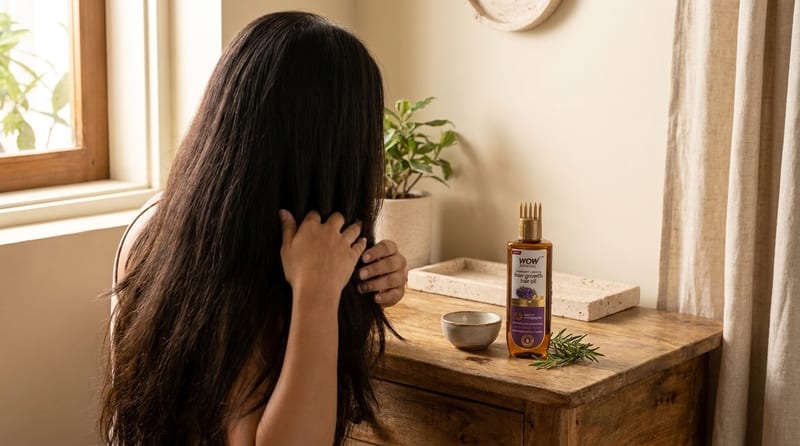
Your hair feels thinner every month with more strands in the drain. Discover how WOW hair oil combines traditional Indian wisdom with modern science to reduce hair fall, promote growth, and repair damage naturally.
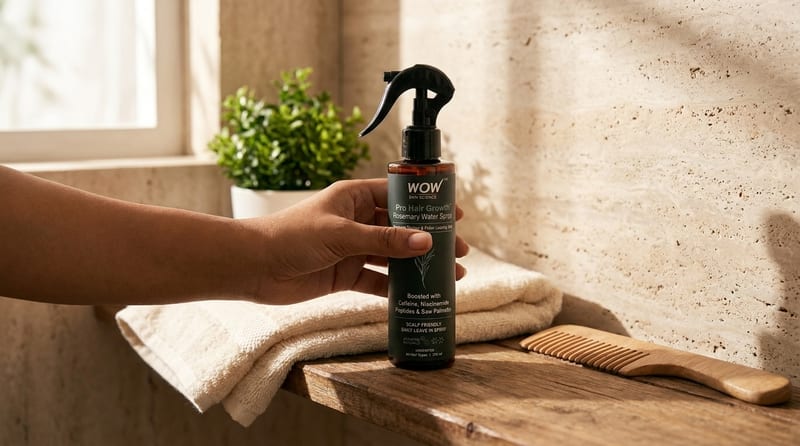
Biotin shampoo will not grow new hair on its own, but used well it can mean fewer snapped strands and fuller-looking hair. Here is the honest picture.