
The Complete Guide to Retinol Cream for Beginners
Retinol cream is a vitamin A derivative that transforms skin by boosting cell turnover and collagen production. Learn how this powerhouse ingredient works and why it's essential for anti-aging.
WOW Skin Science Editorial Team
Beauty experts sharing science-backed skincare tips.
What is Retinol Cream and How Does It Work?
You've probably heard retinol mentioned everywhere — beauty counters, Instagram, your dermatologist's office. But what exactly is it?
Retinol is a vitamin A derivative that works at the cellular level to speed up skin cell turnover. Think of it as a reset button for your skin. When you apply retinol, it penetrates deep into your skin and signals your cells to work faster and better. This means old, damaged cells shed quicker while fresh, healthy cells come to the surface.
The magic happens in your dermis — the deeper layer of skin where collagen lives. Retinol stimulates fibroblasts (cells that produce collagen) to create more collagen and elastin. More collagen equals firmer, plumper skin.
Retinol vs Retinoids: What's the Difference?
Here's where it gets confusing. Retinoids are the umbrella term for all vitamin A derivatives. Retinol is one type of retinoid — specifically, the over-the-counter version that's gentler than prescription options like tretinoin.
Your skin needs to convert retinol into retinoic acid (the active form) before it can work. This conversion process makes retinol milder but still effective. Prescription retinoids like tretinoin are already in the active form, which is why they work faster but can be harsher.
For most people starting out, retinol creams and serums offer the perfect balance of effectiveness and tolerability.
Top Benefits of Using Retinol Cream
Retinol isn't just hype. Decades of research back up its skin-transforming abilities. Here's what it can do for you:
1. Reduces Fine Lines and Wrinkles Retinol boosts collagen production, which fills in fine lines from the inside out. You'll notice crow's feet and forehead lines soften within 12 weeks of consistent use.
2. Fades Hyperpigmentation and Dark Spots By speeding up cell turnover, retinol helps fade dark spots, sun damage, and post-acne marks. Fresh cells replace pigmented ones faster, evening out your skin tone.
3. Improves Skin Texture and Tone Rough patches? Dullness? Retinol smooths everything out. It refines skin texture and brings back that natural glow you thought was gone forever.
4. Minimizes Pores and Controls Acne Retinol keeps pores clear by preventing dead cells from clogging them. It also regulates oil production, making it excellent for acne-prone skin.
5. Boosts Collagen Production This is retinol's superpower. More collagen means firmer, more resilient skin that bounces back better.
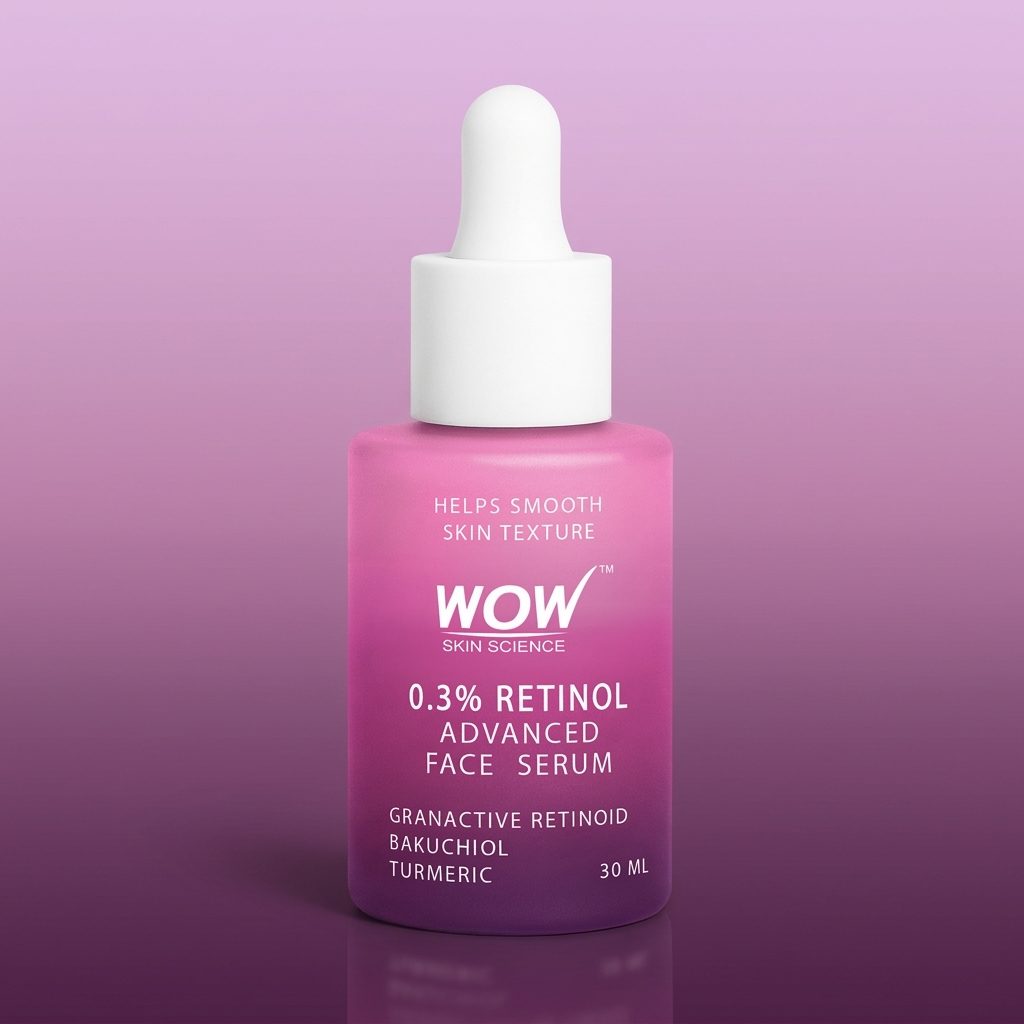
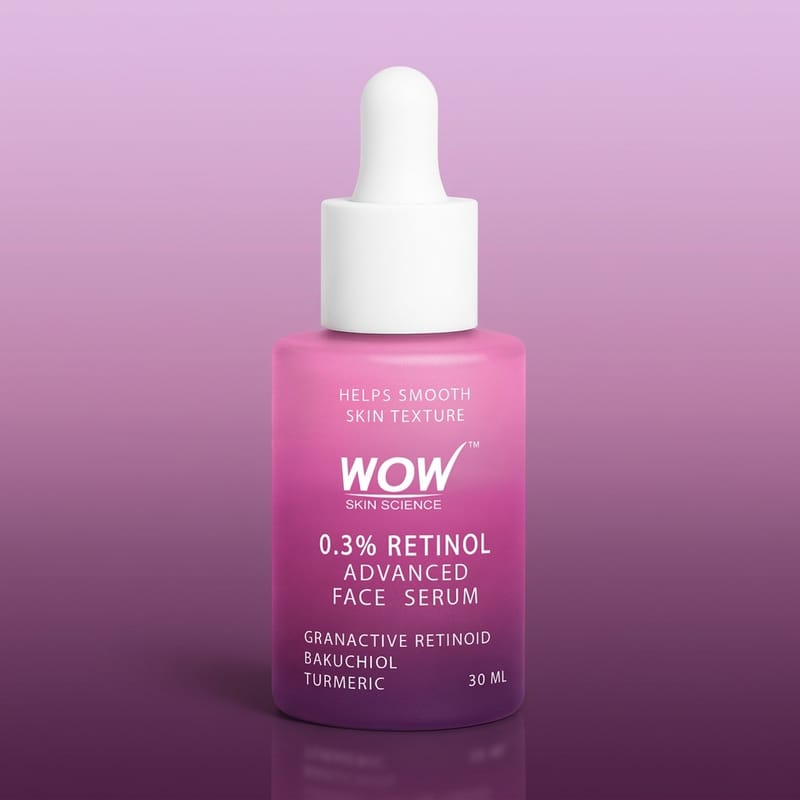
Products like the Advanced 0.3% Retinol Face Serum deliver results because they contain an effective concentration that's strong enough to work but gentle enough for regular use.
Shop: Advanced 0.3% Retinol Face Serum → →
How to Choose the Right Retinol for Your Skin Type
Not all retinol products are created equal. Your skin type determines which concentration and formula will work best for you.
Retinol for Dry Skin: What to Look For
If your skin tends toward dryness, choose retinol creams over serums. Creams contain moisturizing ingredients that buffer retinol's drying effects. Look for formulas with hyaluronic acid, ceramides, or glycerin.
Start with 0.1% to 0.3% concentration. Apply only twice a week initially, always followed by a rich moisturizer.
Retinol for Oily and Acne-Prone Skin
Oily skin handles retinol well. You can start with 0.3% to 0.5% concentrations without much trouble. Serums work beautifully because they're lightweight and absorb quickly.
Retinol is particularly beneficial for acne because it unclogs pores and reduces inflammation. Just be patient — you might experience a "purge" period where breakouts temporarily worsen before improving.
Retinol for Sensitive Skin: Starting Slow
Sensitive skin needs extra care. Begin with the lowest concentration (0.1%) and use it once a week. Gradually increase frequency as your skin builds tolerance.
The sandwich method works wonders here: apply moisturizer, then retinol, then another layer of moisturizer. This buffers the retinol while still delivering benefits.
Understanding Retinol Concentrations
0.1% to 0.3%: Perfect for beginners and sensitive skin
0.3% to 0.5%: Intermediate level, good for most skin types
0.5% to 1%: Advanced strength for experienced retinol users
Higher isn't always better. A well-formulated 0.3% retinol can outperform a poorly formulated 1% product.
Step-by-Step Guide: How to Use Retinol Correctly
Using retinol the right way makes all the difference between glowing skin and irritation.
When to Apply Retinol: Night vs Day
Always use retinol at night. Sunlight breaks down retinol, making it ineffective. Plus, retinol increases sun sensitivity, so nighttime application keeps your skin protected.
The Correct Application Technique
Start with freshly cleansed, completely dry skin (wait 20 minutes after washing)
Take a pea-sized amount — seriously, that's enough for your entire face
Dot it on your forehead, cheeks, and chin
Gently spread it outward in thin, even strokes
Avoid your eye area, lips, and nostrils
Wait 10-15 minutes before applying moisturizer
How Often Should You Use Retinol?
Week 1-2: Once or twice per week Week 3-4: Every other night Week 5+: Every night (if your skin tolerates it)
Listen to your skin. If you experience excessive dryness or irritation, scale back. There's no prize for rushing.
For those new to retinol or with sensitive skin, pairing it with nourishing products helps. The Rejuvenating Night Cream with Niacinamide & Vitamin E works beautifully on alternate nights, giving your skin a break while still delivering anti-aging benefits.
Shop: Rejuvenating Night Cream → →
Building Your Retinol Routine: The Sandwich Method
This technique minimizes irritation:
Apply lightweight moisturizer first
Wait 5 minutes, then apply retinol
Wait another 10 minutes
Seal with a second layer of moisturizer
This buffers retinol's intensity while maintaining effectiveness.
Common Retinol Side Effects and How to Avoid Them
Retinol is powerful, which means it can cause temporary side effects. Here's how to manage them.
Understanding the Retinol 'Purge' Period
During the first 2-4 weeks, you might experience increased breakouts. This is your skin purging — bringing underlying congestion to the surface faster. It's frustrating but temporary.
True purging happens only in areas where you typically break out. If you're getting pimples in new places, that's irritation, not purging. Scale back your usage.
Managing Dryness, Peeling, and Irritation
Some flaking is normal as your skin adjusts. Combat it with these strategies:
Use a gentle, creamy cleanser (skip harsh foaming ones)
Layer on hydrating products with hyaluronic acid
Apply a heavier moisturizer at night
Consider using retinol less frequently until irritation subsides
Never pick at peeling skin
If irritation persists beyond 6 weeks, your retinol might be too strong. Switch to a lower concentration.
Sun Sensitivity: Why SPF is Non-Negotiable
Retinol makes your skin more vulnerable to UV damage. SPF 30 or higher every single morning is mandatory — even on cloudy days, even indoors.
Indian summers are intense. Reapply sunscreen every 3-4 hours if you're outdoors. Think of sunscreen as the partner that makes retinol work.
What Not to Mix with Retinol
Avoid these combinations in the same routine:
Vitamin C (use in the morning instead)
AHAs and BHAs (glycolic acid, salicylic acid)
Benzoyl peroxide
Other retinoids
You can use these ingredients, just not at the same time. Alternate nights work perfectly.
Frequently Asked Questions About Retinol Cream
Can I use retinol cream every day? Eventually, yes. Start slow with 2-3 times per week, then gradually increase. Most people can work up to nightly use within 8-12 weeks. Your skin will tell you what it can handle.
At what age should I start using retinol? Mid to late 20s is ideal for prevention. However, retinol benefits skin at any age. If you're dealing with acne, you can start earlier under guidance.
Can I use retinol cream during pregnancy? No. Avoid all retinoids during pregnancy and breastfeeding. High doses of vitamin A can potentially harm fetal development. Switch to pregnancy-safe alternatives like azelaic acid or vitamin C.
How long does it take to see results from retinol cream? You'll notice smoother texture within 4-6 weeks. Fine lines and dark spots improve around the 12-week mark. Deeper wrinkles may take 6 months or longer. Patience pays off.
Can retinol cream be used with vitamin C? Not in the same routine. Both are powerful actives that can irritate when combined. Use vitamin C in the morning and retinol at night. This gives you benefits from both without the irritation.
Enjoyed this article?
Get more beauty tips and skincare guides delivered to your inbox.
Related Articles
The Complete Guide to Retinol Cream for Beginners
Retinol cream is a vitamin A derivative that transforms skin by boosting cell turnover and collagen production. Learn how this powerhouse ingredient works and why it's essential for anti-aging.
Complete Guide to Retinol Cream for Face: Benefits & Usage
Retinol speeds up skin cell turnover and boosts collagen production. This complete guide covers everything you need to know about using retinol cream for face effectively.
WOW Science: ಸ್ಕಿನ್ಕೇರ್ ಪದಾರ್ಥಗಳ ಬಗ್ಗೆ ಹೆಚ್ಚಿನ ಜನರು ಏನು ತಪ್ಪಿಸುತ್ತಾರೆ
ಹೆಚ್ಚಿನ ಜನರು ವೈಜ್ಞಾನಿಕವಾಗಿ ಸಮರ್ಥಿತ ಸ್ಕಿನ್ಕೇರ್ ಪದಾರ್ಥಗಳನ್ನು ಸಂಪೂರ್ಣವಾಗಿ ತಪ್ಪಾಗಿ ಬಳಸುತ್ತಾರೆ. ಪ್ರಕಾಶಮಾನ ಚರ್ಮ ಮತ್ತು ವ್ಯರ್ಥವಾದ ಹಣದ ನಡುವಿನ ವ್ಯತ್ಯಾಸ ಮಾರ್ಕೆಟಿಂಗ್ ಹೈಪ್ ಅಲ್ಲ, ಆದರೆ ನಿಜವಾದ ರಸಾಯನಶಾಸ್ತ್ರವನ್ನು ಅರ್ಥಮಾಡಿಕೊಳ್ಳುವುದರ ಮೇಲೆ ಅವಲಂಬಿತವಾಗಿದೆ.