
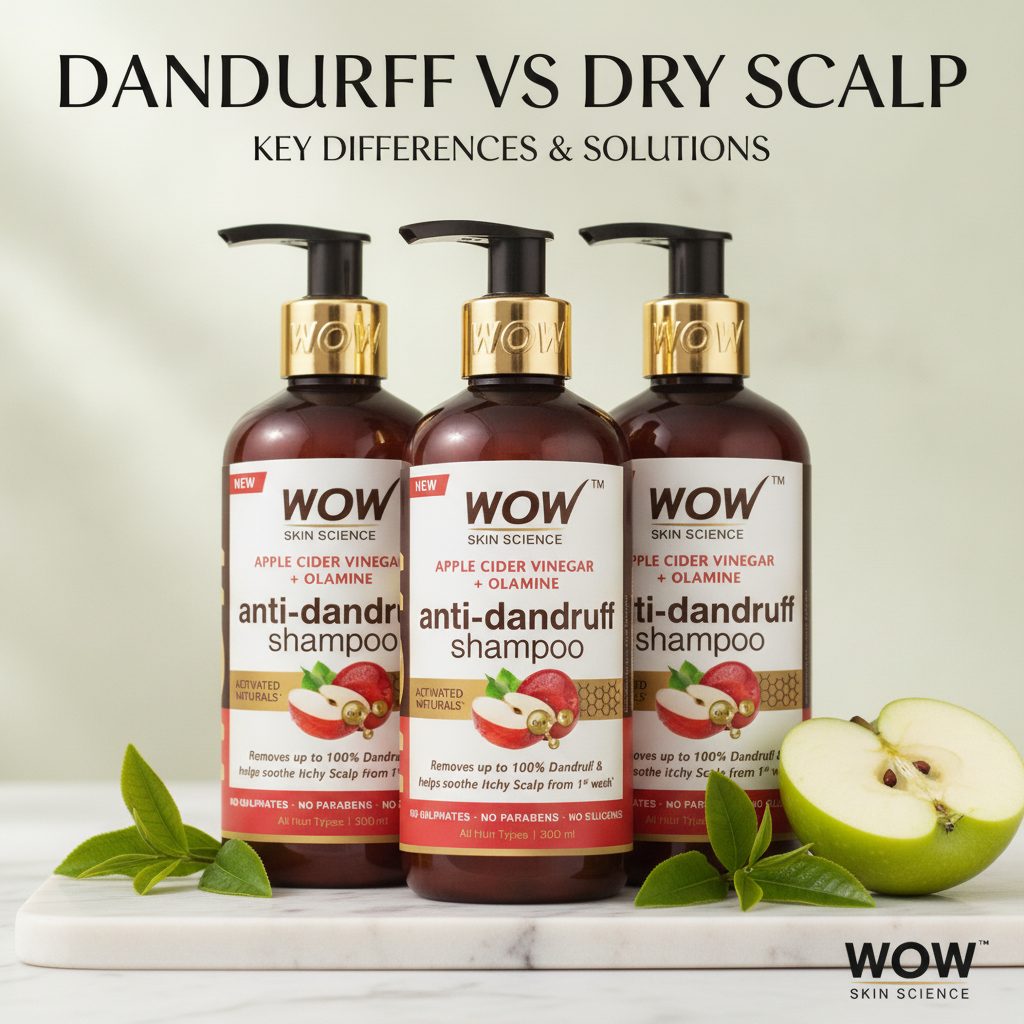
Dandruff vs Dry Scalp: Key Differences & Solutions
Nearly half of us deal with scalp issues, but most treat the wrong problem. Learn to identify whether you have dandruff or dry scalp for effective treatment.
WOW Skin Science Editorial Team
Beauty experts sharing science-backed skincare tips.
Dandruff vs Dry Scalp: Key Differences & Solutions
That annoying itch on your scalp? Those white flakes on your favorite black kurta? You're not alone. Nearly half of us deal with scalp issues at some point, but here's the thing — most people treat the wrong problem.
Dandruff and dry scalp might look similar, but they're as different as chai and coffee. Treating one like the other is like using face wash as a moisturizer — it just won't work. Understanding which one you have can save you months of frustration and wasted products.
Understanding the Basics: What Are Dandruff and Dry Scalp?
What is Dandruff?
Dandruff is basically your scalp throwing a tantrum. It happens when a naturally occurring yeast called Malassezia gets too comfortable on your scalp. This tiny troublemaker feeds on your scalp's natural oils and causes skin cells to shed faster than normal.
The result? Large, oily flakes that love to make an appearance during important meetings. These flakes are usually yellowish-white and stick to your hair and scalp. Your scalp might look greasy even right after washing.
What is Dry Scalp?
Dry scalp is exactly what it sounds like — your scalp crying out for moisture. Just like dry skin on your face or hands, your scalp can lose moisture too. When this happens, the skin becomes irritated and starts flaking off in tiny, dry pieces.
These flakes are smaller than dandruff flakes and pure white. They fall easily from your hair like snow. Your scalp feels tight and might look dull or ashy, especially if you have darker skin.
Why the Confusion Between Them?
Both conditions cause flaking and itching, which is why even dermatologists sometimes need a closer look. The confusion gets worse because both can flare up during winter months. Plus, that embarrassing shoulder snow looks the same from a distance.
Here's a quick comparison to clear things up:
| Feature | Dandruff | Dry Scalp | |---------|----------|-----------| | Flake size | Large, visible | Small, powdery | | Flake color | Yellowish-white | Pure white | | Flake texture | Oily, sticky | Dry, loose | | Scalp appearance | Greasy, red patches | Dry, tight, dull | | Main cause | Fungal overgrowth | Lack of moisture |
How to Tell the Difference: Key Signs and Symptoms
Dandruff Symptoms Checklist
Large, oily flakes that stick to your hair strands
Greasy scalp even after washing
Yellowish or grayish flakes on dark clothes
Intense itching that gets worse when you sweat
Red, scaly patches on the scalp
Flakes on eyebrows or around the nose (seborrheic dermatitis)
Scalp smells slightly musty due to yeast overgrowth
Dry Scalp Symptoms Checklist
Tiny white flakes that fall easily when you touch your hair
Tight, uncomfortable feeling on the scalp
Dry skin elsewhere on your body (hands, legs, face)
Mild itching that improves with moisturizing
Dull, ashy scalp appearance
Hair looks dry and brittle too
Worse in air-conditioned rooms or during winter
Quick Diagnostic Tests You Can Do at Home
The tissue test works really well. Gently scratch your scalp with a tissue. If the flakes stick to the tissue and look yellowish, it's probably dandruff. If they fall off easily and look like dust, you're dealing with dry scalp.
Check your pillowcase too. Dandruff leaves oily marks, while dry scalp leaves powdery residue. Also, wash your hair and wait 12 hours. If your scalp feels oily already, suspect dandruff. If it feels tight and dry, you know what you're dealing with.
Root Causes: Why Do These Conditions Develop?
Common Causes of Dandruff
The main culprit is Malassezia globosa, a yeast that lives on everyone's scalp. Some people's skin just reacts badly to it. Hormonal changes during puberty or stress can trigger this reaction.
Oily scalp creates the perfect buffet for this yeast. That's why teenagers and people with naturally oily skin get dandruff more often. Not shampooing enough lets oils and dead skin cells build up, making things worse.
Other triggers include:
Stress and lack of sleep
Poor diet high in sugar and processed foods
Certain hair products that irritate the scalp
Weather changes, especially humid conditions
Weakened immune system
Common Causes of Dry Scalp
Dry scalp usually starts with environmental factors. Our harsh Indian summers with AC everywhere can suck moisture from your scalp. Using hot water for head baths strips away natural oils too.
Harsh shampoos are another big villain. Those squeaky-clean feelings? That's your scalp crying for moisture. Over-washing, especially with sulfate-heavy shampoos, removes the protective oil layer your scalp needs.
Common triggers include:
Cold, dry weather or excessive AC
Over-washing (more than 3-4 times a week)
Harsh chemical treatments like coloring or straightening
Not drinking enough water
Skin conditions like eczema or psoriasis
Risk Factors and Triggers
Some people are just more prone to these issues. If your parents had dandruff, you might get it too. Men tend to get dandruff more often, possibly due to hormones. Age matters too — dandruff peaks during teenage years and again after 50.
For dry scalp, people with naturally dry skin types suffer more. If you already use moisturizer daily on your face, your scalp probably needs attention too. Certain medications like diuretics can also dry out your skin and scalp.
Treatment Solutions for Dandruff
Medicated Shampoos and Ingredients to Look For
Fighting dandruff requires the right weapons. Look for these proven ingredients:
Zinc pyrithione is your first line of defense. It fights the fungus and reduces flaking within 2-3 weeks. Use it twice a week initially.
Ketoconazole works like an antifungal warrior. It's stronger than zinc pyrithione and works even for stubborn dandruff. Once-a-week use usually does the trick.
Selenium sulfide slows down skin cell turnover. It's great for severe dandruff but can discolor light-colored hair, so be careful.
Salicylic acid helps remove scales but can dry your scalp. Always follow with a conditioner when using these shampoos.
Natural Remedies That Work
Tea tree oil has natural antifungal properties. Mix 5-10 drops in your regular shampoo. The cooling sensation also soothes itching immediately.
Apple cider vinegar balances scalp pH and fights yeast growth. Mix equal parts water and ACV, apply after shampooing, leave for 5 minutes, then rinse. Do this twice a week.
Neem leaves work wonders too. Boil a handful of leaves, cool the water, and use it as a final rinse. My grandmother's go-to remedy still works like magic.
Lifestyle Changes for Long-term Control
Stress management isn't just good for your mind — it helps your scalp too. Regular exercise, adequate sleep, and meditation can reduce dandruff flare-ups.
Diet matters more than you think. Cut down on sugar and processed foods. Add more omega-3 rich foods like walnuts and flaxseeds. Probiotics from yogurt help balance your skin's microbiome.
Maintain a consistent hair care routine. Shampoo regularly but not daily. Use lukewarm water, not hot. And please, clean your combs and brushes weekly — they harbor fungus too.
Treatment Solutions for Dry Scalp
Moisturizing Products and Ingredients
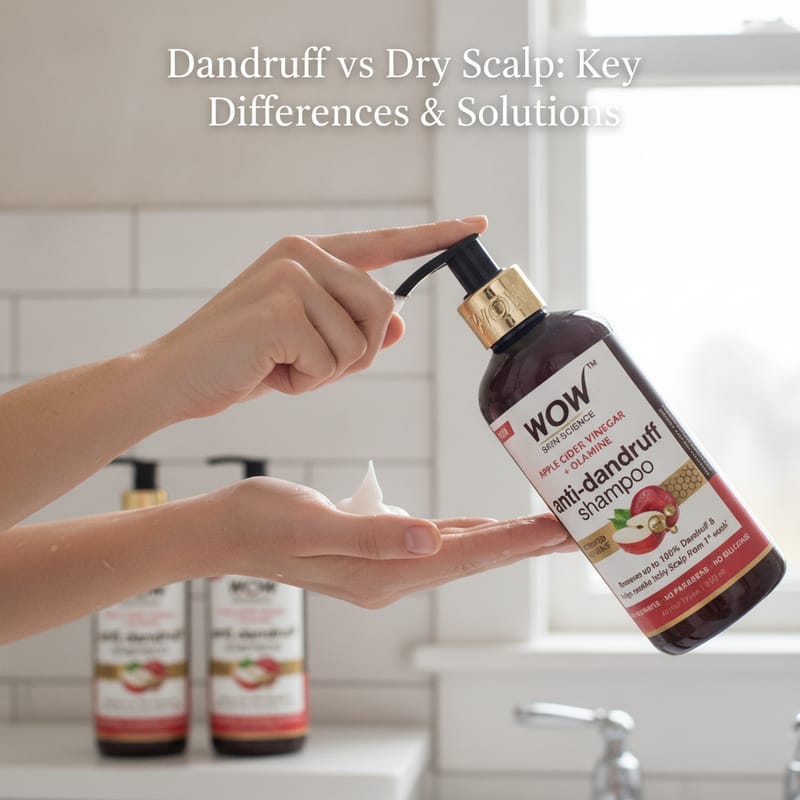
Your dry scalp needs hydration heroes. Look for these ingredients:
Hyaluronic acid isn't just for face serums. It holds 1000 times its weight in water, perfect for thirsty scalps.
Glycerin attracts moisture from the air. Products with glycerin work especially well in humid Indian weather.
Natural oils like argan, jojoba, or coconut oil mimic your scalp's natural sebum. They penetrate deep without leaving residue.
Aloe vera soothes and hydrates simultaneously. Fresh gel works better than packaged products.
Home Remedies for Instant Relief
Coconut oil remains the champion of scalp care. Warm it slightly, massage into your scalp for 10 minutes, leave overnight, then shampoo. The massage boosts circulation while oil provides deep moisture.
Make a honey-yogurt mask. Mix 2 tablespoons each, apply to scalp, leave for 30 minutes. Honey humectant properties lock in moisture while yogurt's lactic acid gently exfoliates.
Avoid these moisture thieves:
Hot water showers
Alcohol-based hair products
Excessive blow-drying
Harsh clarifying shampoos
Hair Care Routine Adjustments
Switch to a gentle, sulfate-free shampoo. You don't need that squeaky-clean feeling — it means you've stripped too much oil. Wash only 2-3 times per week maximum.
Pre-shampoo oiling makes a huge difference. Apply oil 30 minutes before washing. It creates a protective barrier against harsh surfactants.
Invest in a humidifier for your bedroom. Indian homes with AC running constantly create desert-like conditions for your scalp. Adding moisture to the air helps tremendously.
Prevention Strategies: Keeping Your Scalp Healthy
Daily Scalp Care Tips
Think of your scalp like facial skin — it needs daily attention too. Gentle brushing distributes natural oils and removes dead skin. Use a soft-bristled brush, not those plastic ones that scratch.
Protect your scalp from sun damage. Yes, your scalp can get sunburned too! Wear a hat during peak hours or use hair products with SPF.
Keep these habits:
Massage your scalp while shampooing (improves circulation)
Rinse thoroughly (product buildup irritates)
Pat dry gently (rubbing causes friction and dryness)
Avoid tight hairstyles (they stress the scalp)
Diet and Nutrition for Scalp Health
Your scalp reflects what you eat. B vitamins, especially biotin and B12, keep your scalp healthy. Find them in eggs, whole grains, and leafy greens.
Zinc deficiency often shows up as scalp problems. Add pumpkin seeds, chickpeas, and cashews to your diet. Vitamin E from almonds and sunflower seeds helps too.
Stay hydrated! Aim for 8-10 glasses daily. During Indian summers, increase this. Your scalp is skin, and skin needs water to function properly.
Foods to increase:
Fatty fish or flaxseeds (omega-3s)
Colorful vegetables (antioxidants)
Probiotic foods (gut-scalp connection)
Green tea (anti-inflammatory)
When to See a Dermatologist
Some signs mean you need professional help. If your scalp bleeds from scratching, develops thick scales, or shows signs of infection (pus, severe redness), book that appointment.
Other red flags include:
No improvement after 6 weeks of treatment
Hair loss along with flaking
Spreading to face or body
Severe pain or burning sensation
Yellow crusting (possible bacterial infection)
Don't feel embarrassed about scalp issues. Dermatologists see these problems daily and can prescribe stronger treatments if needed.
Key Takeaways
Understanding the difference between dandruff and dry scalp saves time, money, and frustration. Dandruff needs antifungal treatment, while dry scalp needs moisture. Using the wrong treatment makes things worse.
Remember these basics:
Dandruff: Large, oily flakes + greasy scalp = use medicated shampoos
Dry scalp: Small, dry flakes + tight scalp = add moisture
Both: Can happen together (treat dandruff first, then moisturize)
Consistency beats everything else. Whether you're fighting fungus or adding moisture, stick to your routine for at least 4-6 weeks before expecting results.
Prevention works better than treatment. Maintain good scalp hygiene, manage stress, eat well, and listen to what your scalp tells you. Those flakes are just your scalp asking for attention — give it the right kind, and you'll see the difference.
Your scalp deserves the same care you give your face. After all, healthy hair starts with a healthy scalp. Now that you know what you're dealing with, you can finally give your scalp exactly what it needs.
Enjoyed this article?
Get more beauty tips and skincare guides delivered to your inbox.
Related Articles
WOW Skin Science: 2024 ରେ ଅଧିକାଂଶ ଲୋକ କ'ଣ ମିସ କରନ୍ତି
ଅଧିକାଂଶ ଲୋକ WOW Skin Science ପ୍ରୋଡକ୍ଟ ଭୁଲ ଭାବେ ବ୍ୟବହାର କରନ୍ତି ଏବଂ ସେମାନଙ୍କ ଫର୍ମୁଲେସନ୍ ପଛରେ ଥିବା ବିଜ୍ଞାନକୁ ମିସ କରନ୍ତି। ଏହି ପ୍ରୋଡକ୍ଟଗୁଡ଼ିକ କାହିଁକି କାମ କରେ ଏବଂ ଫଳାଫଳ ସର୍ବାଧିକ କରିବାର ଉପାୟ ଜାଣନ୍ତୁ।
WOW Skin Science: 2024-ൽ മിക്ക ആളുകളും നഷ്ടപ്പെടുത്തുന്നത്
മിക്ക ആളുകളും WOW Skin Science ഉൽപ്പന്നങ്ങൾ തെറ്റായി ഉപയോഗിക്കുന്നു കൂടാതെ അവയുടെ ഫോർമുലേഷനുകളിലെ ശാസ്ത്രം നഷ്ടപ്പെടുത്തുന്നു. ഈ ഉൽപ്പന്നങ്ങൾ എന്തുകൊണ്ട് പ്രവർത്തിക്കുന്നുവെന്നും ഫലങ്ങൾ പരമാവധി വർദ്ധിപ്പിക്കാൻ എങ്ങനെയെന്നും അറിയുക.
WOW Skin Science: 2024ರಲ್ಲಿ ಹೆಚ್ಚಿನ ಜನರು ತಪ್ಪಿಸುವ ವಿಷಯಗಳು
ಹೆಚ್ಚಿನ ಜನರು WOW Skin Science ಉತ್ಪನ್ನಗಳನ್ನು ತಪ್ಪಾಗಿ ಬಳಸುತ್ತಾರೆ ಮತ್ತು ಅವುಗಳ ಸೂತ್ರೀಕರಣದ ಹಿಂದಿನ ವಿಜ್ಞಾನವನ್ನು ಮಿಸ್ಸ್ ಮಾಡುತ್ತಾರೆ. ಈ ಉತ್ಪನ್ನಗಳನ್ನು ಏನು ಕೆಲಸ ಮಾಡುತ್ತದೆ ಮತ್ತು ಫಲಿತಾಂಶಗಳನ್ನು ಗರಿಷ್ಠಗೊಳಿಸುವುದು ಹೇಗೆ ಎಂದು ತಿಳಿಯಿರಿ.