
Hair Growth Myths Debunked: What Science Says
85% of Indian men and 40% of women face hair loss, yet misinformation spreads rapidly. Learn what science says really works for hair growth.
WOW Skin Science Editorial Team
Beauty experts sharing science-backed skincare tips.
Hair Growth Myths Debunked: Science-Based Facts
Your grandmother's hair oil recipes. Your friend's magic growth serum. That viral video promising 3-inch growth in a month. We've all heard countless hair growth tips, but which ones actually work?
Hair loss affects nearly 85% of Indian men and 40% of women at some point in their lives. Yet despite how common these concerns are, misinformation about hair growth spreads faster than a Mumbai local train. Time to separate the science from the stories.
Common Hair Growth Myths That Need to Stop
Myth 1: Cutting Hair Makes It Grow Faster
Here's the truth — your hair grows from the roots, not the tips. Cutting your hair is like trimming your nails. It makes them look neater but doesn't speed up growth one bit.
Hair grows about 1.25 cm per month from the follicle. What happens at the ends has zero impact on what's happening at the scalp. Regular trims do help prevent split ends from traveling up the hair shaft, making your hair appear healthier and fuller. But faster growth? That's pure fiction.
Myth 2: Brushing 100 Strokes Daily Promotes Growth
My nani used to insist on this one. While gentle brushing distributes natural oils and feels relaxing, excessive brushing actually causes more harm than good. It can lead to hair breakage, especially when your hair is wet and vulnerable.
Think about it — would you scrub your silk saree 100 times? Your hair deserves the same gentle care. Brush only to detangle and style, using a wide-tooth comb on wet hair.
Myth 3: Frequent Washing Causes Hair Loss
This myth keeps so many people from maintaining proper scalp hygiene. Washing your hair doesn't cause hair loss — seeing loose strands in the drain is completely normal. You naturally shed 50-100 hairs daily as part of the growth cycle.
What matters more is using the right products for your scalp type. If you're dealing with hair fall concerns, a gentle cleansing routine with targeted ingredients can actually help. Products formulated with onion extract have shown promising results in strengthening hair roots.
Shop: Onion Shampoo for Hair Fall → →
Myth 4: Hair Products Can Repair Split Ends
Once a hair strand splits, nothing can permanently fuse it back together. Products claiming to "repair" split ends simply coat the hair temporarily, making it appear smoother. The only real solution? Trim them off.
What you can do is prevent future damage with proper conditioning and protective styling. But those "split end menders"? They're basically hair makeup — temporary fixes at best.
The Science of Hair Growth: What Actually Happens
Understanding the Hair Growth Cycle
Your hair follows a predictable cycle with three main phases:
Anagen (Growth Phase): Lasts 2-7 years. This is when your hair actively grows from the follicle. About 85-90% of your hair is in this phase right now.
Catagen (Transition Phase): A brief 2-3 week period where growth stops and the follicle shrinks. Only 1-2% of your hair is here.
Telogen (Resting Phase): Lasts 2-4 months. The old hair rests while new hair begins forming underneath. Around 10-15% of your hair is chilling in this phase.
Understanding this cycle explains why you can't dramatically speed up hair growth. Each follicle has its own timeline, determined largely by genetics.
Factors That Genuinely Affect Hair Growth
Several factors influence how well your hair grows:
Nutrition: Your hair needs protein, iron, zinc, and vitamins to thrive
Hormones: Thyroid issues, PCOS, and hormonal changes affect growth patterns
Stress levels: Chronic stress can push more follicles into the resting phase
Scalp health: A healthy scalp provides the foundation for healthy hair
Age: Growth naturally slows as we get older
The Role of Genetics vs. Lifestyle
Your genes set the baseline — they determine your hair's texture, maximum length potential, and pattern of loss. But lifestyle factors can optimize or hinder what nature gave you.
Think of it like height. Genetics determines your potential, but nutrition and health determine if you reach it. Same with hair. You can't change your genetic programming, but you can create the best possible environment for growth.
Good nutrition plays a huge role here. Essential fatty acids, particularly omega-3s, support healthy hair growth by nourishing follicles from within.
Evidence-Based Hair Growth Solutions That Work
Proven Topical Treatments
Science backs several topical ingredients for hair growth:
Minoxidil: The gold standard, clinically proven to extend the growth phase. Available over-the-counter in 2% and 5% formulations.
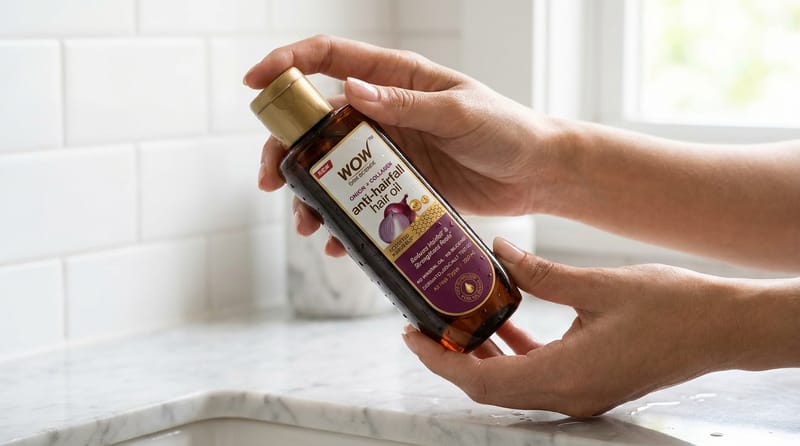
Onion Extract: Rich in sulfur compounds that boost collagen production. Studies show it can improve hair regrowth in people with alopecia areata.
Caffeine: When applied topically, it penetrates follicles and may counteract DHT, a hormone linked to hair loss.
Peptides: These protein fragments signal follicles to produce thicker, stronger hair.
Nutritional Support for Hair Health
Your diet directly impacts hair growth. Focus on:
Protein: Hair is made of keratin, a protein. Aim for adequate daily intake through dal, paneer, eggs, or meat
Iron: Low iron levels are a common cause of hair loss, especially in women
B-vitamins: Particularly biotin and B12, though deficiency is rare with a balanced diet
Vitamin D: Many Indians are deficient, and it's linked to hair loss
Zinc: Supports hair tissue growth and repair
Scalp Care and Its Impact
A healthy scalp equals healthy hair growth. Regular cleansing removes buildup that can clog follicles. Scalp massage increases blood circulation, bringing nutrients to the roots.
Here's what works really well — spend 5 minutes massaging your scalp while shampooing. Use your fingertips (not nails) in circular motions. This simple practice can make a noticeable difference over time.
Natural Ingredients: Separating Hype from Help
Aloe Vera: The Science Behind the Claims
Aloe vera won't magically sprout new hair, but research confirms its benefits for scalp health. It contains proteolytic enzymes that repair dead skin cells, reducing dandruff and unblocking follicles.
The gel also has anti-inflammatory properties that soothe irritated scalps. A calm, balanced scalp creates optimal conditions for hair growth. Pure aloe vera gel makes an excellent pre-shampoo treatment or leave-in conditioner for the scalp.

Essential Oils and Their Real Effects

Some essential oils show promise in studies:
Rosemary oil: May be as effective as 2% minoxidil in one study
Peppermint oil: Increased follicle number and depth in animal studies
Lavender oil: Shows potential for increasing hair count
Always dilute essential oils in a carrier oil like coconut or jojoba. Never apply them directly to your scalp — they're highly concentrated and can cause irritation.
DIY Treatments: Do They Work?
Popular home remedies have varying levels of scientific support:
Egg masks: Provide protein externally, but your hair can't absorb whole proteins. The conditioning effect is temporary.
Coconut oil: Excellent for preventing protein loss and reducing breakage. Won't increase growth rate but helps retain length.
Rice water: Contains inositol, which may strengthen hair. Some see results, though clinical evidence is limited.
Fenugreek (methi): Traditional remedy with some research showing it may help with dandruff and scalp health.
Key Takeaways: Your Science-Based Hair Growth Strategy
What to Do Daily
Eat a balanced diet rich in protein, iron, and vitamins
Stay hydrated — aim for 8-10 glasses of water
Get 7-8 hours of quality sleep
Manage stress through exercise, meditation, or hobbies
Be gentle when handling wet hair
Protect hair from sun damage with a scarf or cap
What to Avoid
Excessive heat styling without protection
Tight hairstyles that pull on roots
Chemical treatments too frequently
Crash diets that deprive your body of nutrients
Smoking — it restricts blood flow to follicles
Believing miracle growth claims
When to See a Professional
Consult a dermatologist if you experience:
Sudden, patchy hair loss
Loss of more than 150 hairs daily
Scalp pain, burning, or severe itching
Hair loss with other symptoms like fatigue or weight changes
No improvement after 6 months of consistent care
Frequently Asked Questions About Hair Growth
How long does it actually take to see hair growth results?
Hair grows approximately 1.25 cm per month. Visible changes from new treatments typically take 3-4 months because of the hair growth cycle. Any product promising faster results is likely exaggerating. Patience is key — give any new routine at least 90 days before judging effectiveness.
Can stress really cause hair loss, and is it reversible?
Yes, chronic stress can trigger telogen effluvium, where more follicles enter the resting phase. The good news? It's usually temporary. Once you manage stress levels, normal growth patterns typically resume within 6-9 months. Practice stress reduction techniques and ensure adequate nutrition during recovery.
Do hair vitamins and supplements really work?
They work if you have a deficiency. Most people eating a balanced diet don't need supplements specifically for hair. However, if blood tests show low iron, vitamin D, or B12, supplementation can help. Generic "hair vitamins" without addressing specific deficiencies rarely show dramatic results.
What's the truth about biotin for hair growth?
Biotin deficiency can cause hair loss, but true deficiency is rare. Most people get enough from their diet. While biotin supplements are generally safe, they won't boost growth unless you're deficient. Save your money unless a doctor confirms you need it.
Is it normal to lose 50-100 hairs per day?
Absolutely normal! This is part of the natural growth cycle. You might notice more on wash days because loose hairs accumulate. Only worry if you're consistently losing significantly more, seeing bald patches, or your ponytail is getting noticeably thinner.
Remember, healthy hair growth isn't about finding a magic solution. It's about consistent care, realistic expectations, and understanding the science. Focus on overall health, be patient with the process, and don't fall for myths that promise overnight miracles. Your hair will thank you for it.
Enjoyed this article?
Get more beauty tips and skincare guides delivered to your inbox.
Related Articles
WOW Skin Science: 2024 ରେ ଅଧିକାଂଶ ଲୋକ କ'ଣ ମିସ କରନ୍ତି
ଅଧିକାଂଶ ଲୋକ WOW Skin Science ପ୍ରୋଡକ୍ଟ ଭୁଲ ଭାବେ ବ୍ୟବହାର କରନ୍ତି ଏବଂ ସେମାନଙ୍କ ଫର୍ମୁଲେସନ୍ ପଛରେ ଥିବା ବିଜ୍ଞାନକୁ ମିସ କରନ୍ତି। ଏହି ପ୍ରୋଡକ୍ଟଗୁଡ଼ିକ କାହିଁକି କାମ କରେ ଏବଂ ଫଳାଫଳ ସର୍ବାଧିକ କରିବାର ଉପାୟ ଜାଣନ୍ତୁ।
WOW Skin Science: 2024-ൽ മിക്ക ആളുകളും നഷ്ടപ്പെടുത്തുന്നത്
മിക്ക ആളുകളും WOW Skin Science ഉൽപ്പന്നങ്ങൾ തെറ്റായി ഉപയോഗിക്കുന്നു കൂടാതെ അവയുടെ ഫോർമുലേഷനുകളിലെ ശാസ്ത്രം നഷ്ടപ്പെടുത്തുന്നു. ഈ ഉൽപ്പന്നങ്ങൾ എന്തുകൊണ്ട് പ്രവർത്തിക്കുന്നുവെന്നും ഫലങ്ങൾ പരമാവധി വർദ്ധിപ്പിക്കാൻ എങ്ങനെയെന്നും അറിയുക.
WOW Skin Science: 2024ರಲ್ಲಿ ಹೆಚ್ಚಿನ ಜನರು ತಪ್ಪಿಸುವ ವಿಷಯಗಳು
ಹೆಚ್ಚಿನ ಜನರು WOW Skin Science ಉತ್ಪನ್ನಗಳನ್ನು ತಪ್ಪಾಗಿ ಬಳಸುತ್ತಾರೆ ಮತ್ತು ಅವುಗಳ ಸೂತ್ರೀಕರಣದ ಹಿಂದಿನ ವಿಜ್ಞಾನವನ್ನು ಮಿಸ್ಸ್ ಮಾಡುತ್ತಾರೆ. ಈ ಉತ್ಪನ್ನಗಳನ್ನು ಏನು ಕೆಲಸ ಮಾಡುತ್ತದೆ ಮತ್ತು ಫಲಿತಾಂಶಗಳನ್ನು ಗರಿಷ್ಠಗೊಳಿಸುವುದು ಹೇಗೆ ಎಂದು ತಿಳಿಯಿರಿ.