
6 Ways to Improve Your Skin Through Nutrition
Your skin reflects your diet. Learn 6 science-backed ways to improve skin through nutrition and achieve natural hydration from within.
WOW Skin Science Editorial Team
Beauty experts sharing science-backed skincare tips.
6 Ways to Improve Your Skin Through Nutrition
Your skin tells the story of what's happening inside your body. Ever noticed how your face looks dull after a weekend of pakoras and samosas? Or how radiant you feel after drinking coconut water all summer?
The connection between what you eat and how your skin looks runs deeper than most people realize. Your skin cells need specific nutrients to stay plump, bouncy, and hydrated. Without them, even the most expensive creams won't give you that healthy glow.
Why Hydration from Within Matters for Skin Health
Your skin contains about 64% water. That's more than half! When this percentage drops, your skin starts looking tired, feels rough, and develops fine lines faster.
Think of your skin cells like tiny water balloons. When they're full, your skin looks smooth and plump. When they're deflated, everything starts to sag and wrinkle.
The Science of Skin Hydration
Every skin cell has a protective barrier made of lipids (fats) that locks moisture inside. This barrier works like a security guard, keeping good stuff in and bad stuff out.
When you feed your body the right nutrients, you strengthen this barrier. Stronger barriers mean better hydration. Better hydration means healthier, younger-looking skin.
Your body loses about 2.5 liters of water daily through breathing, sweating, and other natural processes. During Indian summers, this loss doubles. If you're not replacing this water through food and drinks, your skin suffers first.
Internal vs. External Hydration
Moisturizers work from the outside, creating a temporary seal over your skin. They're helpful, but they can't fix dehydration that starts from within.
Internal hydration feeds your skin cells directly through your bloodstream. When you eat water-rich foods and hydrating nutrients, they travel to your skin's deepest layers. This creates lasting hydration that no cream can match.
My dermatologist friend always says: "You can't moisturize your way out of a bad diet." She's right. The best skincare routine starts in your kitchen.
6 Proven Ways to Hydrate Your Skin Through Nutrition
1. Increase Water-Rich Foods
Drinking plain water helps, but eating your water works even better. Water from foods comes packaged with vitamins, minerals, and fiber that help your body use it more efficiently.
Best water-rich foods for Indian diets:
Cucumber (96% water) - perfect in raita or salads
Watermelon (92% water) - nature's summer gift
Bottle gourd/lauki (92% water) - your grandmother was right about this one
Tomatoes (94% water) - add them to every meal
Spinach (91% water) - blend into smoothies or dal
Oranges (86% water) - eat the whole fruit, not just juice
Aim for 5-7 servings of these foods daily. One serving equals about one cup of raw veggies or one medium fruit.
2. Boost Omega-3 Fatty Acids
Omega-3s are like internal moisturizers. They strengthen your skin barrier and reduce inflammation that causes dryness.
Top omega-3 sources:
Walnuts (akhrot) - 5-6 halves daily
Flaxseeds (alsi) - 1 tablespoon ground seeds
Chia seeds - soak overnight for better absorption
Fish like salmon or mackerel - twice weekly
Mustard oil - use for cooking (in moderation)
These healthy fats also help your body absorb fat-soluble vitamins like A, D, E, and K - all crucial for skin health.
3. Add Antioxidant-Rich Foods
Free radicals damage skin cells and break down collagen. Antioxidants fight back, protecting your skin from premature aging and dehydration.
Antioxidant powerhouses:
Amla (Indian gooseberry) - highest vitamin C content
Green tea - 2-3 cups daily
Turmeric - add to warm milk before bed
Berries - whatever's in season
Dark leafy greens - palak, methi, bathua
Beetroot - juice it or add to salads
Mix different colored foods on your plate. Each color represents different antioxidants working together for your skin.
4. Include Collagen-Supporting Nutrients
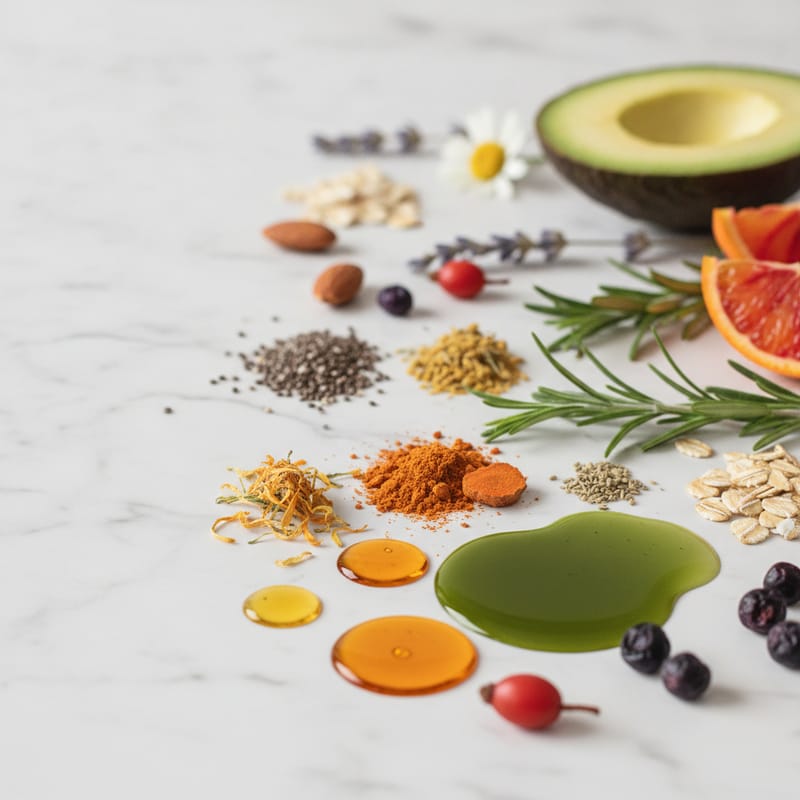
Your body needs specific nutrients to produce collagen, the protein that keeps skin firm and hydrated.
Collagen boosters:
Vitamin C foods: guava, bell peppers, citrus fruits
Protein sources: dal, paneer, eggs, chicken
Zinc-rich foods: pumpkin seeds, chickpeas
Copper sources: cashews, sesame seeds
Silica foods: bananas, oats, brown rice
Don't fall for expensive collagen supplements. Your body makes its own collagen when you provide the right building blocks through food.
5. Prioritize Probiotics
Your gut health directly impacts your skin. Good bacteria in your gut help absorb nutrients and reduce inflammation.
Probiotic foods for daily consumption:
Yogurt/dahi - fresh, homemade is best
Buttermilk/chaas - perfect post-meal drink
Fermented foods - idli, dosa batter
Kefir - if you can find it
Pickles - in small amounts (watch the salt)
Pair probiotics with prebiotic foods like bananas, onions, and garlic. They feed the good bacteria, making them more effective.
6. Limit Dehydrating Foods and Drinks
Some foods pull water from your skin cells, leaving them parched.
Main culprits to moderate:
Excess salt - hidden in packaged snacks
Alcohol - limit to special occasions
Sugary drinks - including packaged juices
Processed foods - instant noodles, chips
Excessive caffeine - more than 3 cups daily
You don't need to eliminate these completely. Just balance them with extra water and hydrating foods.
Essential Vitamins and Minerals for Skin Hydration
Vitamin E and C
These vitamins work as a team. Vitamin C helps produce collagen while vitamin E protects skin cells from damage.
Daily targets:
Vitamin C: 65-90mg (one orange provides about 70mg)
Vitamin E: 15mg (handful of almonds gives you half)
Best sources:
Vitamin C: Amla, guava, bell peppers, strawberries
Vitamin E: Sunflower seeds, almonds, spinach, avocado
Zinc and Selenium
These minerals repair skin damage and maintain the skin barrier.
Daily needs:
Zinc: 8-11mg
Selenium: 55mcg
Food sources:
Zinc: Pumpkin seeds, lentils, chickpeas, cashews
Selenium: Brazil nuts (just 2 daily), eggs, brown rice
B-Complex Vitamins
B vitamins, especially B3 (niacin) and B5 (pantothenic acid), improve skin's ability to retain moisture.
Rich sources:
Whole grains - brown rice, whole wheat
Legumes - all types of dal
Nuts and seeds
Green vegetables
Eggs and dairy
Creating Your Skin-Hydrating Meal Plan
Sample Daily Menu
Early Morning:
Warm water with lemon
5 soaked almonds
Breakfast:
Oats upma with vegetables
Fresh fruit bowl (papaya, orange, pomegranate)
Green tea
Mid-Morning:
Coconut water
Handful of mixed nuts
Lunch:
Brown rice
Dal with spinach
Cucumber raita
Mixed vegetable sabzi
Evening:
Buttermilk
Fruit (seasonal)
Dinner:
Multigrain roti
Grilled fish/paneer
Green salad
Vegetable soup
Before Bed:
Turmeric milk
Hydrating Smoothie Recipes
Morning Glow Smoothie:
1 cup spinach
1/2 cucumber
1 orange
1/2 cup coconut water
1 tsp flax seeds
Few mint leaves
Berry Beautiful Smoothie:
1/2 cup mixed berries
1/2 banana
1/2 cup yogurt
1 tbsp chia seeds
1/2 cup water
Green Goddess Smoothie:
1/2 avocado
1 cup bottle gourd
1 apple
1 tsp spirulina (optional)
1 cup water
Juice of 1/2 lemon
Meal Prep Tips
Planning makes healthy eating easier:
Cut vegetables on Sunday for the week
Soak nuts and seeds overnight
Pre-make smoothie packs for the freezer
Cook dal in batches
Keep fruits visible on the counter
Prepare infused water bottles
Common Nutrition Mistakes That Dehydrate Skin
Excessive Caffeine and Alcohol
Both act as diuretics, making you lose more water than you take in. One coffee pulls about 1.5 cups of water from your body.
Smart swaps:
Replace second coffee with green tea
Try herbal teas in the evening
For every alcoholic drink, have two glasses of water
Choose fresh lime soda over cocktails
High-Sodium Diets
Salt pulls water from your cells, leaving skin puffy yet dehydrated. Most Indians consume double the recommended 5g daily limit.
Hidden salt sources:
Papad and pickles
Ready-made chutneys
Packaged snacks
Restaurant food
Bread and bakery items
Read labels. Choose fresh over packaged whenever possible.
Skipping Healthy Fats
Many people avoid fats thinking they cause acne or weight gain. But your skin needs good fats to stay supple.
Include daily:
1 tsp ghee
Handful of nuts
Seeds in smoothies
Fatty fish twice weekly
Avocado when available
Key Takeaways for Skin Hydration Through Nutrition
Eat 5-7 servings of water-rich fruits and vegetables daily
Include omega-3 foods in every meal
Choose colorful foods for maximum antioxidants
Support collagen with vitamin C and protein
Add probiotics through traditional fermented foods
Limit salt, sugar, and processed foods
Drink 8-10 glasses of fluids (including soups, smoothies)
Plan meals ahead for consistency
Be patient - skin renewal takes 28 days
Start with one change this week. Maybe add cucumber to every meal or switch your evening chai to green tea. Small steps lead to glowing skin.
Frequently Asked Questions
How long does it take to see skin improvements from dietary changes?
Most people notice initial changes within 2-3 weeks - better skin texture and fewer dry patches. Significant improvements in hydration and glow typically show after 6-8 weeks of consistent healthy eating. Remember, your skin cells take about 28 days to renew completely.
Can drinking more water alone improve skin hydration?
Plain water helps, but it's not enough. Without the right nutrients to strengthen your skin barrier, much of that water just passes through. Combine adequate water intake (8-10 glasses) with water-rich foods and omega-3s for best results.
What are the best foods to eat for dry, flaky skin?
Focus on fatty fish, walnuts, flaxseeds, and avocados for omega-3s. Add vitamin E-rich almonds and sunflower seeds. Include zinc sources like pumpkin seeds. Don't forget water-rich vegetables like cucumber and tomatoes. These foods work together to repair your skin barrier.
Should I take supplements for skin hydration?
Food first, always. Supplements can help fill gaps but can't replace a balanced diet. If considering supplements, get blood work done first. Common deficiencies affecting skin include vitamin D, B12, and iron. Consult a doctor before starting any supplements.
How much water should I drink daily for optimal skin health?
The standard recommendation is 8-10 glasses (2-2.5 liters) daily. Increase this during summer, after exercise, or if you drink caffeine. But remember - eating water through fruits and vegetables counts too. Your urine color tells the truth: pale yellow means you're well hydrated.
Enjoyed this article?
Get more beauty tips and skincare guides delivered to your inbox.
Related Articles

ସୁଗନ୍ଧ ସେଟର ସମ୍ପୂର୍ଣ୍ଣ ଗାଇଡ: ଆପଣ ଯାହା ଜାଣିବା ଆବଶ୍ୟକ
ସୁଗନ୍ଧ ସେଟ ସେହି ସୁଗନ୍ଧ ପ୍ରେମୀଙ୍କ ପାଇଁ ନିଖୁଁତ ସମାଧାନ ଯେଉଁମାନେ ଅଧିକ ଖର୍ଚ୍ଚ ନକରି ବିଭିନ୍ନ ପ୍ରକାରର ସୁଗନ୍ଧ ଚାହାଁନ୍ତି। ଆପଣଙ୍କ ଆବଶ୍ୟକତା ଅନୁଯାୟୀ ସଠିକ ସୁଗନ୍ଧ ସେଟ ବାଛିବା ଶିଖନ୍ତୁ ଏବଂ ବ୍ୟକ୍ତିଗତ ବୋତଲ ତୁଳନାରେ 20-30% ସଞ୍ଚୟ କରନ୍ତୁ।
ಪರಫ್ಯೂಮ್ ಸೆಟ್ನ ಸಂಪೂರ್ಣ ಗೈಡ್: ನಿಮಗೆ ಬೇಕಾದ ಎಲ್ಲವೂ
ಪರಫ್ಯೂಮ್ ಸೆಟ್ಗಳು ವಿವಿಧ ಸುಗಂಧಗಳನ್ನು ಬಯಸುವ ಸುಗಂಧ ಪ್ರೇಮಿಗಳಿಗೆ ಪರಿಪೂರ್ಣ ಪರಿಹಾರವನ್ನು ನೀಡುತ್ತವೆ. ನಿಮ್ಮ ಅಗತ್ಯಗಳಿಗೆ ಸರಿಯಾದ ಪರಫ್ಯೂಮ್ ಸೆಟ್ ಆಯ್ಕೆ ಮಾಡುವುದು ಹೇಗೆ ಎಂದು ತಿಳಿಯಿರಿ ಮತ್ತು ಪ್ರತ್ಯೇಕ ಬಾಟಲುಗಳಿಗೆ ಹೋಲಿಸಿದರೆ 20-30% ಉಳಿತಾಯ ಮಾಡಿ.
ਪਰਫਿਊਮ ਸੈੱਟ ਦੀ ਸੰਪੂਰਨ ਗਾਈਡ: ਤੁਹਾਨੂੰ ਜਾਣਨ ਲਈ ਸਭ ਕੁਝ
ਪਰਫਿਊਮ ਸੈੱਟ ਉਨ੍ਹਾਂ ਖੁਸ਼ਬੂ ਪ੍ਰੇਮੀਆਂ ਲਈ ਸੰਪੂਰਨ ਹੱਲ ਹਨ ਜੋ ਬਿਨਾ ਜ਼ਿਆਦਾ ਖਰਚ ਕੀਤੇ ਵਿਭਿੰਨਤਾ ਚਾਹੁੰਦੇ ਹਨ। ਆਪਣੀ ਜ਼ਰੂਰਤ ਅਨੁਸਾਰ ਸਹੀ ਪਰਫਿਊਮ ਸੈੱਟ ਚੁਣਨਾ ਸਿੱਖੋ ਅਤੇ ਵਿਅਕਤੀਗਤ ਬੋਤਲਾਂ ਦੇ ਮੁਕਾਬਲੇ 20-30% ਬਚਾਓ।