
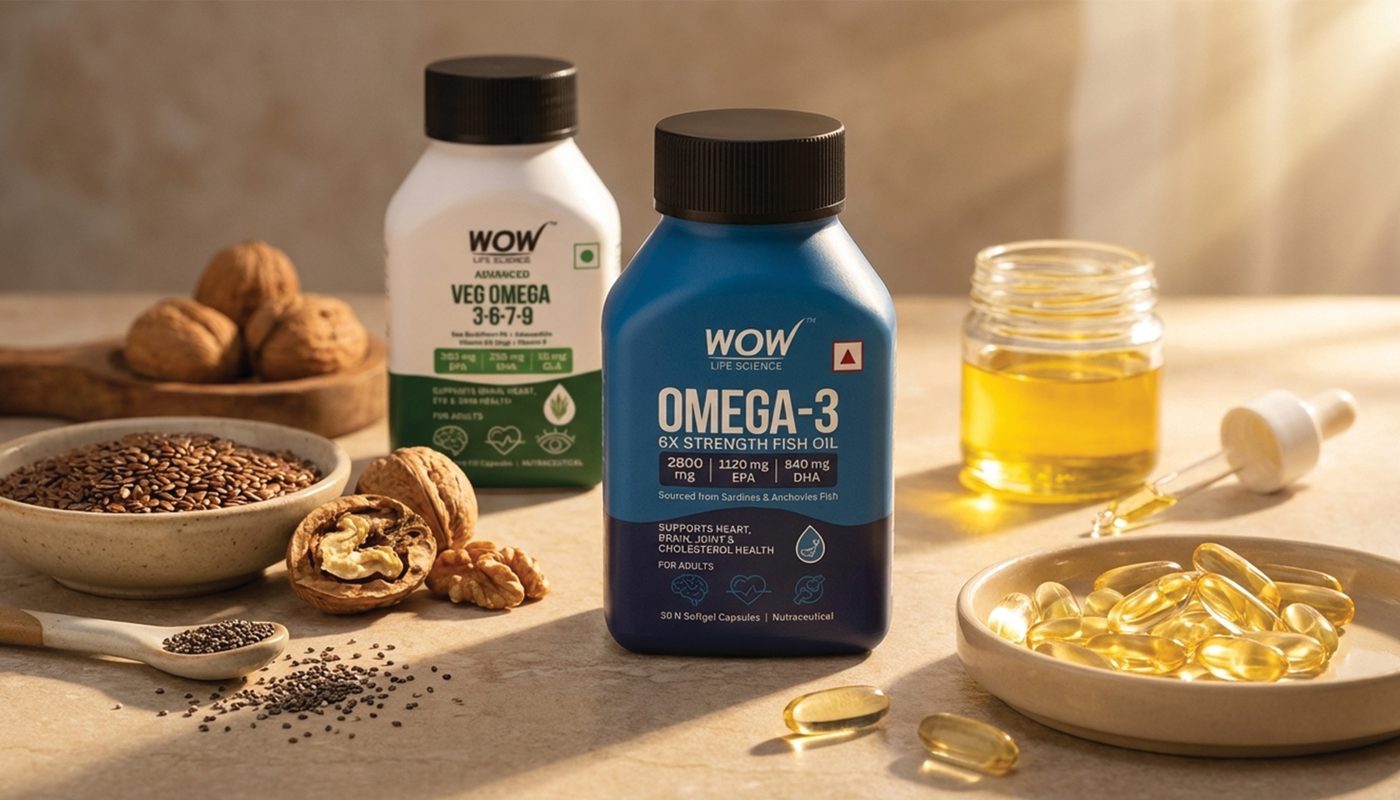
Omega 3 Benefits: Complete Guide to Essential Fatty Acids
Omega 3 fatty acids do more than support your heart — they benefit your brain, skin, and joints. Learn how to choose the right supplement for optimal health.
WOW Skin Science Editorial Team
Beauty experts sharing science-backed skincare tips.
Remember those omega 3 capsules your doctor keeps recommending? There's a reason they're mentioned at every health check-up. These tiny powerhouses do more than just support your heart — they're working overtime for your brain, skin, joints, and pretty much every cell in your body.
But here's the thing. Not all omega 3s are created equal. And with so many options flooding the market, choosing the right one feels like solving a puzzle. Should you go for fish oil or plant-based? What's the right dosage? And why does your body need these fatty acids anyway?
Time to clear up the confusion. Whether you're dealing with dry skin, brain fog, or just want to stay healthy as you age, understanding omega 3s can be a game-changer.
What is Omega 3? Essential Fatty Acids Explained
Think of omega 3s as the VIPs of the fat world. They're called 'essential' fatty acids because your body desperately needs them but can't make them on its own. You have to get them from food or supplements — no shortcuts here.
These healthy fats are the building blocks of your cell membranes. They help your heart beat steadily, keep your brain sharp, and even give you that healthy glow everyone's after. Without enough omega 3s, your body starts sending distress signals — dry skin, brittle hair, mood swings, the works.
Types of Omega 3: EPA, DHA, and ALA
Not all omega 3s work the same way. There are three main players, each with its own superpower:
EPA (Eicosapentaenoic Acid): The inflammation fighter. This one's brilliant at calming down inflammation throughout your body. Great for joint pain, skin issues, and heart health.
DHA (Docosahexaenoic Acid): The brain booster. Your brain is about 60% fat, and DHA makes up a huge chunk of it. Essential for memory, focus, and mood.
ALA (Alpha-Linolenic Acid): The plant-based option. Found in flaxseeds, chia seeds, and walnuts. Your body converts some ALA to EPA and DHA, but the conversion rate is pretty low — around 5-10%.
Most experts agree that EPA and DHA are the real MVPs. They're ready to work immediately, while ALA needs extra processing by your body.
Why Your Body Needs Omega 3 Fatty Acids
Your body runs on thousands of chemical reactions every second. Omega 3s are involved in many of them. They're like the oil that keeps your engine running smoothly.
Here's what happens when you have enough omega 3s:
Cell membranes stay flexible and healthy
Hormones balance out properly
Inflammation stays under control
Blood flows smoothly through vessels
Brain signals travel faster
Without enough? Things start going haywire. Your skin gets dry and flaky. Joints feel stiff. Mood swings become more common. Even your hair loses its shine.
Science-Backed Health Benefits of Omega 3
Scientists have been studying omega 3s for decades. The research is solid — these fatty acids deliver real results. From your heart to your hair, they're working behind the scenes to keep you healthy.
Heart Health and Cardiovascular Support
Your heart loves omega 3s. Studies show they can lower triglycerides by 15-30%, reduce blood pressure, and keep your heartbeat steady. They even help prevent plaque from building up in your arteries.
The American Heart Association recommends eating fatty fish twice a week. But let's be honest — in our busy lives, that doesn't always happen. That's where quality supplements come in. Products containing concentrated omega 3s, like Triple Strength Omega 3 Fish Oil, deliver a powerful 1300mg dose that supports heart health without the hassle of meal planning.
Research shows omega 3s work by:
Reducing inflammation in blood vessels
Improving blood lipid profiles
Preventing irregular heartbeats
Lowering blood clot risk
Brain Function and Cognitive Performance
Your brain is basically a fatty organ — and it needs the right fats to function properly. DHA makes up about 40% of the polyunsaturated fats in your brain. No wonder omega 3s are crucial for thinking clearly!
Studies link higher omega 3 intake to:
Better memory and learning
Reduced risk of cognitive decline
Improved mood and reduced anxiety
Better focus and attention span
For students preparing for exams or professionals dealing with demanding work, omega 3s can be a secret weapon. They help your brain process information faster and retain it better.
Inflammation Reduction and Joint Health
Chronic inflammation is behind many health issues — from arthritis to skin problems. Omega 3s are natural inflammation fighters. They work by producing compounds called resolvins and protectins that literally resolve inflammation.
People with joint issues often notice improvements within weeks of starting omega 3s:
Less morning stiffness
Reduced joint pain
Better mobility
Less reliance on pain medication
My grandmother always said fish curry kept her joints flexible well into her 80s. Turns out, she was onto something!
Skin, Hair, and Beauty Benefits
Want that natural glow everyone's chasing? Omega 3s might be your answer. They strengthen your skin barrier, lock in moisture, and fight inflammation from within.
Here's what omega 3s do for your beauty routine:
For skin: Reduce acne, calm redness, improve hydration, slow aging
For hair: Boost shine, reduce breakage, support growth, prevent dryness
For nails: Strengthen brittle nails, improve growth rate
Especially in our harsh Indian summers, when skin gets dehydrated and hair becomes frizzy, omega 3s work from inside out to maintain that healthy appearance.
Best Sources of Omega 3: Fish Oil vs Plant-Based
Not everyone eats fish. And that's perfectly fine! Whether you're vegetarian, vegan, or just don't like seafood, there are omega 3 options for you. The key is understanding which sources work best for your lifestyle and body.
Marine Sources: Fish Oil Benefits
Fish oil remains the gold standard for omega 3s. Why? It contains EPA and DHA in ready-to-use forms. Your body doesn't need to convert anything — it gets straight to work.
Best fish sources include:
Salmon (wild-caught has more omega 3s)
Mackerel (bangda in Hindi)
Sardines (pedvey in Konkani)
Anchovies
Herring
But here's the catch — literally. Fresh fish can be expensive, and quality varies. Mercury contamination is another concern, especially with larger fish. That's why many people prefer purified fish oil supplements that remove contaminants while concentrating the good stuff.
Vegetarian and Vegan Omega 3 Sources
Good news for plant-based eaters! You have options too. While most plant sources contain ALA (which needs conversion), some newer sources pack a bigger punch.
Plant-based omega 3 sources:
Algae: The only plant source with EPA and DHA! Fish get their omega 3s from eating algae anyway
Flaxseeds: High in ALA, best consumed ground
Chia seeds: Easy to add to smoothies or curd
Walnuts: Great for snacking
Hemp seeds: Complete protein bonus
For vegetarians wanting the benefits of EPA and DHA without fish, algae-based supplements are game-changers. Products like Algae Rich Omega 3 Vegetarian Capsules provide the same powerful omega 3s found in fish oil, sourced directly from marine algae.
Comparing Absorption Rates
Here's what really matters — how much omega 3 actually gets into your system. Not all sources are equal when it comes to absorption.
Absorption efficiency ranking:
Fish oil: 90-95% absorption of EPA/DHA
Algae oil: 85-90% absorption of EPA/DHA
Krill oil: Claims of better absorption, but studies are mixed
Plant sources (ALA): Only 5-10% converts to EPA/DHA
This doesn't mean plant sources are useless — they provide other benefits too. But if you're relying solely on flaxseeds or walnuts for omega 3s, you might need larger amounts to get the same benefits as fish or algae oil.
How to Choose the Right Omega 3 Supplement
Walking down the supplement aisle can feel overwhelming. Bottles promising everything from 'extra strength' to 'pharmaceutical grade' — what does it all mean? Here's how to cut through the marketing and find what actually works.
Understanding Omega 3 Dosage and Strength
The magic is in the numbers. Look beyond the total fish oil amount — what matters is the EPA and DHA content.
General dosage guidelines:
For general health: 250-500mg EPA+DHA daily
For heart health: 1000mg EPA+DHA daily
For inflammation: 2000-3000mg EPA+DHA daily
During pregnancy: 200-300mg DHA daily (consult your doctor)
Higher strength formulas mean fewer capsules. Instead of swallowing 3-4 regular pills, a concentrated formula gets you there with just one or two.
Quality Indicators: Purity and Testing
Not all omega 3 supplements are created equal. Here's what separates the good from the mediocre:
Third-party testing: Look for brands that test for mercury, PCBs, and other contaminants
Molecular distillation: This process removes impurities while preserving omega 3s
Freshness indicators: Check manufacture date, not just expiry
Form matters: Triglyceride form absorbs better than ethyl ester
A simple test? Break open a capsule. Fresh omega 3s should smell like the ocean, not like rotten fish. If it's rancid, it's doing more harm than good.
Special Considerations for Women
Women have unique nutritional needs that change throughout life. From teenage years through pregnancy to menopause, omega 3 requirements shift.
Women-specific benefits of omega 3s:
PMS relief: Reduces cramps and mood swings
Pregnancy support: Essential for baby's brain development
Bone health: Works with calcium to maintain bone density
Hormonal balance: Supports healthy hormone production
For women juggling multiple responsibilities, combination formulas make life easier. Supplements like Women's Omega 3 & Multivitamin combine omega 3s with essential vitamins tailored for women's health, supporting everything from hair and skin to heart health in one convenient dose.
Omega 3 Deficiency: Signs, Symptoms, and Solutions
Your body has clever ways of telling you it needs more omega 3s. The trick is knowing what to look for. Many symptoms we blame on stress or aging might actually be omega 3 deficiency in disguise.
Common Deficiency Symptoms
Pay attention if you're experiencing:
Skin issues: Dry, flaky skin that no moisturizer seems to fix
Hair problems: Brittle, dull hair that breaks easily
Mood changes: Feeling low, anxious, or irritable more often
Joint pain: Stiffness, especially in the morning
Poor concentration: Brain fog, forgetfulness
Fatigue: Feeling tired despite adequate sleep
Dry eyes: Constant need for eye drops
These symptoms often creep up slowly. You might not notice until someone points out your skin looks dull or you realize you've been forgetting things more often.
Who's at Risk for Omega 3 Deficiency
Some people are more likely to run low on omega 3s:
Vegetarians and vegans: Limited sources of EPA/DHA
People who rarely eat fish: Less than once a week
Pregnant and breastfeeding women: Baby takes priority
Elderly individuals: Absorption decreases with age
People with digestive issues: Poor fat absorption
Those on low-fat diets: Need fat to absorb omega 3s
In India, where many follow vegetarian diets for religious or personal reasons, omega 3 deficiency is surprisingly common. Even fish-eaters might not get enough if they're only having it occasionally.
Testing and Monitoring Your Levels
Want to know your omega 3 status for sure? There are tests available:
Omega 3 Index: Measures EPA and DHA in red blood cells
Fatty acid profile: More comprehensive but expensive
At-home test kits: Convenient but verify accuracy
Ideal omega 3 index is 8% or higher. Most Indians test between 3-4%, which is considered low. If you're experiencing multiple deficiency symptoms, it might be worth getting tested.
Key Takeaways: Your Omega 3 Action Plan
Ready to optimize your omega 3 intake? Here's your practical guide to getting started and maintaining healthy levels for life.
Daily Omega 3 Requirements by Age
Your omega 3 needs change throughout life:
Children (2-8 years): 100-150mg EPA+DHA
Teens (9-18 years): 200-250mg EPA+DHA
Adults: 250-500mg EPA+DHA minimum
Pregnant women: 300-600mg (with at least 200mg DHA)
Seniors (60+): 500-1000mg EPA+DHA
Remember, these are minimums. If you're dealing with inflammation, heart issues, or cognitive concerns, you might benefit from higher doses under medical guidance.
Best Time to Take Omega 3 Supplements
Timing matters for absorption. Here's what works best:
With meals: Fat from food helps absorption
Morning vs evening: Both work, consistency matters more
Split doses: For high amounts, divide between meals
Avoid empty stomach: Can cause fishy burps
Pro tip: Take your omega 3s with your fattiest meal of the day. The dietary fat acts like a carrier, helping your body absorb more of the good stuff.
Combining Omega 3 with Other Nutrients
Omega 3s play well with others. Some combinations work especially well:
With Vitamin E: Prevents oxidation, keeps omega 3s fresh
With Vitamin D: Both support bone and immune health
With CoQ10: Enhanced heart health benefits
With turmeric: Amplifies anti-inflammatory effects
For a complete nutritional approach, consider formulas that combine multiple omegas. Products like Veg Omega 3 6 7 9 provide a balanced blend of fatty acids that work together to support overall health, from heart function to glowing skin.
Frequently Asked Questions About Omega 3
Can I take omega 3 supplements if I'm pregnant or breastfeeding?
Absolutely! In fact, omega 3s are crucial during pregnancy and breastfeeding. DHA supports your baby's brain and eye development. Most doctors recommend 200-300mg DHA daily during pregnancy. Just choose high-quality, purified supplements to avoid contaminants. Always consult your doctor about the right dose for you.
What's the difference between fish oil and krill oil?
Both provide EPA and DHA, but there are differences. Krill oil contains phospholipids which some claim improve absorption. It also has astaxanthin, an antioxidant that gives it a red color. Fish oil is more concentrated and usually more affordable. Studies show both work well — choose based on your budget and preferences.
How long does it take to see results from omega 3 supplements?
It depends on what you're looking for. Some people notice improved mood and energy within 2-3 weeks. Skin and hair benefits typically show up after 6-8 weeks. For heart health markers like triglycerides, expect 2-3 months. Joint pain relief can happen within 3-4 weeks. Consistency is key — take your supplements daily for best results.
Can omega 3 supplements interact with medications?
Yes, omega 3s can interact with certain medications. They have mild blood-thinning effects, so be careful if you're on anticoagulants like warfarin. They might also affect blood pressure medications. High doses can impact blood sugar control in diabetics. Always inform your doctor about supplements you're taking, especially before surgery.
Is it better to take omega 3 with food or on an empty stomach?
Always take omega 3s with food, preferably a meal containing some fat. This dramatically improves absorption — up to 3 times better than taking on an empty stomach. Plus, food helps prevent those unpleasant fishy burps. If you forget and take it alone, have a handful of nuts or a spoonful of peanut butter to help absorption.
Making omega 3s part of your daily routine doesn't have to be complicated. Whether you choose to eat more fish, add seeds to your smoothies, or take a quality supplement, what matters is consistency. Your heart, brain, skin, and overall health will thank you for it. Start where you are, use what you have, and do what you can. Even small changes add up to big health benefits over time.
Enjoyed this article?
Get more beauty tips and skincare guides delivered to your inbox.
Related Articles

വേനൽ കാലത്ത് കുടൽ ആരോഗ്യം: അകത്തുനിന്ന് തണുപ്പായിരിക്കാനുള്ള 5 പ്രാകൃതിക വഴികൾ
ഇന്ത്യൻ വേനൽ കാലത്ത് നിങ്ങളുടെ കുടൽ അധികമായി പ്രവർത്തിക്കുന്നു. ആയുർവേദ-പ്രചോദിത 5 പ്രാകൃതിക വഴികൾ പഠിക്കുക, നിങ്ങളുടെ ദഹന അഗ്നി സന്തുലിതമാക്കാൻ, വായു കുറയ്ക്കാൻ, അകത്തുനിന്ന് തണുപ്പായിരിക്കാൻ.
ଗ୍ରୀଷ୍ମକାଳୀନ ଅନ୍ତନଳୀ ସ୍ବାସ୍ଥ୍ୟ ଗାଇଡ: ଭିତରୁ ଠାଣ୍ଡା ରହିବାର ୫ଟି ପ୍ରାକୃତିକ ଉପାୟ
ଭାରତୀୟ ଗ୍ରୀଷ୍ମରେ ଆପଣାର ଅନ୍ତନଳୀ ଅତିରିକ୍ତ ପରିଶ୍ରମ କରେ। ଆପଣାର ହଜମ ଶକ୍ତି ସନ୍ତୁଳିତ ରଖିବା, ଫୁଲା ଦୂର କରିବା ଏବଂ ଭିତରୁ ଠାଣ୍ଡା ରହିବାର ୫ଟି ପ୍ରାକୃତିକ, ଆୟୁର୍ବେଦ-ଅନୁପ୍ରାଣିତ ଉପାୟ ଶିଖନ୍ତୁ।
ਗਰਮੀ ਦੇ ਮੌਸਮ ਵਿੱਚ ਆਂਤਾਂ ਦੀ ਸਿਹਤ ਦੀ ਗਾਈਡ: ਅੰਦਰ ਤੋਂ ਠੰਡੇ ਰਹਿਣ ਦੇ 5 ਕੁਦਰਤੀ ਤਰੀਕੇ
ਭਾਰਤੀ ਗਰਮੀ ਵਿੱਚ ਤੁਹਾਡੀ ਆਂਤ ਬਹੁਤ ਮਿਹਨਤ ਕਰਦੀ ਹੈ। ਆਪਣੀ ਪਾਚਨ ਸ਼ਕਤੀ ਨੂੰ ਸੰਤੁਲਿਤ ਕਰਨ, ਫੁਲਾਵਨ ਤੋਂ ਬਚਣ ਅਤੇ ਅੰਦਰ ਤੋਂ ਠੰਡੇ ਰਹਿਣ ਦੇ 5 ਕੁਦਰਤੀ ਅਤੇ ਆਯੁਰਵੇਦ-ਪ੍ਰੇਰਿਤ ਤਰੀਕੇ ਸਿੱਖੋ।