
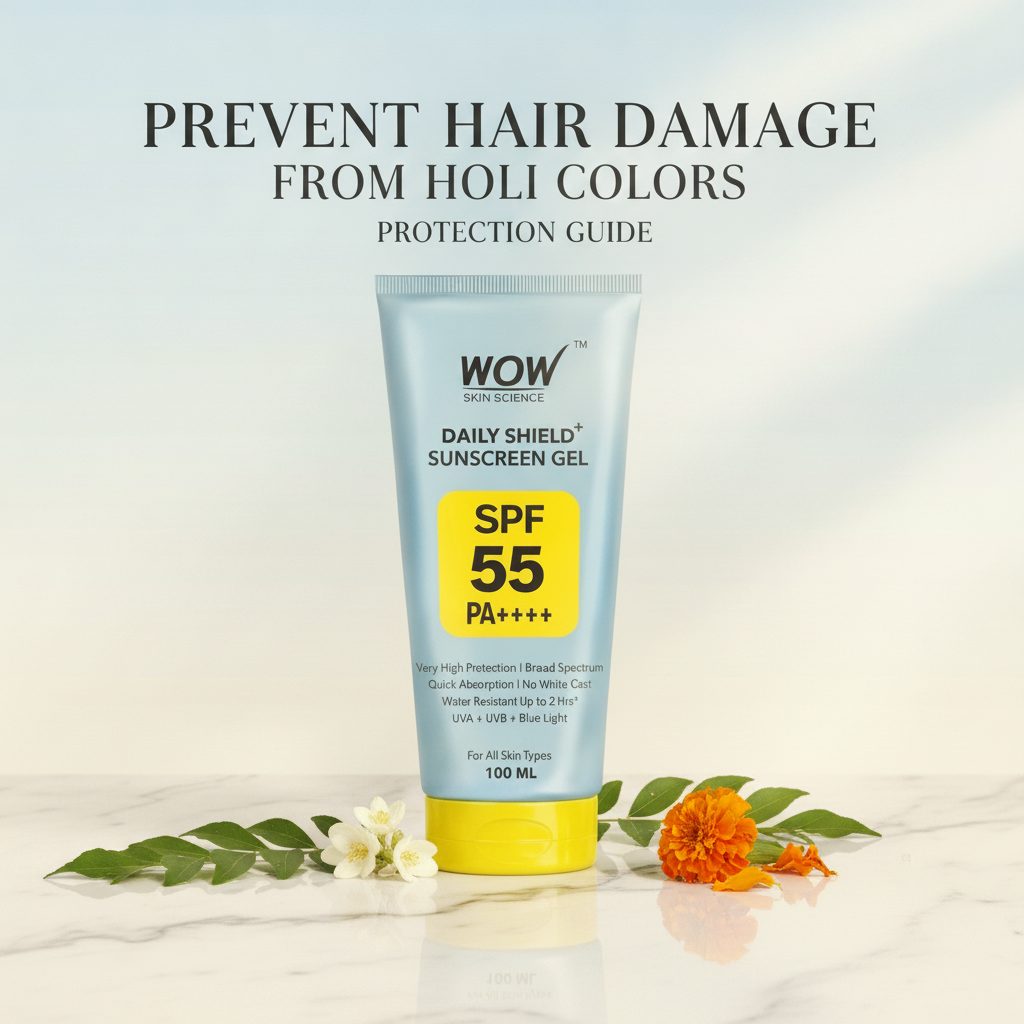
Prevent Hair Damage from Holi Colors: Protection Guide
Discover how to protect your hair from harsh Holi colors. Expert tips on pre-festival preparation, safe color removal, and post-Holi hair recovery.
WOW Skin Science Editorial Team
Beauty experts sharing science-backed skincare tips.
Understanding Holi Color Impact on Hair Health
That first shower after Holi can be terrifying. You watch streams of pink, green, and purple swirl down the drain while your hair feels like straw between your fingers. Every year, millions of us face the same dilemma — how to enjoy the festival of colors without sacrificing our hair health.
The truth is, those vibrant gulal packets contain more than just harmless powder. Understanding what's really in them helps you protect your hair better.
Chemical Composition of Synthetic Colors
Most market-bought Holi colors contain industrial dyes and chemicals that were never meant for human skin or hair. Lead oxide creates that brilliant green. Mercury sulphite gives you red. Chromium produces deep purple shades.
These aren't just random chemicals — they're heavy metals that bond aggressively with your hair proteins. The cheaper the color, the harsher the chemicals. Street vendors often mix mica, sand, and even glass particles to add shimmer and bulk.
Your hair doesn't stand a chance against this chemical assault. The alkaline nature of these colors (pH levels between 10-12) immediately disrupts your hair's natural acidic mantle.
How Colors Damage Hair Structure
Picture your hair like a pine cone. The outer layer has tiny scales called cuticles that protect the inner core. Holi colors force these cuticles wide open.
Once open, the chemicals penetrate deep into the cortex — your hair's strength center. They break down the disulfide bonds that give hair its structure. This is why your hair feels rough and tangled after playing Holi.
The damage happens in stages. First, the alkaline chemicals lift your cuticles. Then, the metallic salts deposit inside your hair shaft. Finally, when you try to wash them out, the friction causes more cuticle damage.
Long-term Effects of Color Exposure
One Holi celebration might seem harmless, but repeated exposure creates lasting damage. Your hair loses its natural elasticity. Split ends multiply. The texture becomes permanently coarse.
Color-treated or chemically processed hair suffers even more. The previous treatments have already compromised your cuticle layer. Adding Holi colors to the mix can cause severe breakage and hair fall that continues for weeks.
Some people develop scalp allergies that persist long after Holi. The chemicals trigger inflammation, leading to dandruff, itching, and even hair loss. Dark hair might develop a permanent greenish or reddish tinge that refuses to fade.
Pre-Holi Hair Protection: Essential Steps
Smart protection starts 48 hours before Holi. This gives your hair time to absorb treatments and build a defensive barrier.
Deep Conditioning Treatments
Two nights before Holi, treat your hair to an intensive conditioning session. Mix equal parts coconut oil and olive oil. Warm it slightly and massage into your scalp and hair.
Cover with a shower cap and leave overnight. The oils penetrate deep, creating a protective layer inside your hair shaft. This internal protection matters more than anything you apply on Holi day.
For extremely dry hair, add a tablespoon of honey to your oil mix. The humectant properties draw moisture into your hair, creating an extra buffer against color damage.
Oil Application Techniques
The morning of Holi requires strategic oiling. Start with room temperature coconut oil — cold oil won't spread properly. Section your hair into four parts.
Apply oil from roots to tips, ensuring every strand gets coated. Don't just pour oil on top — that leaves the inner layers unprotected. Use your fingers to separate hair sections and work the oil through.
Double up on the ends. They're already the driest part and will suffer most from color exposure. A thick layer of oil here prevents splitting and breakage.
Protective Hairstyles for Holi
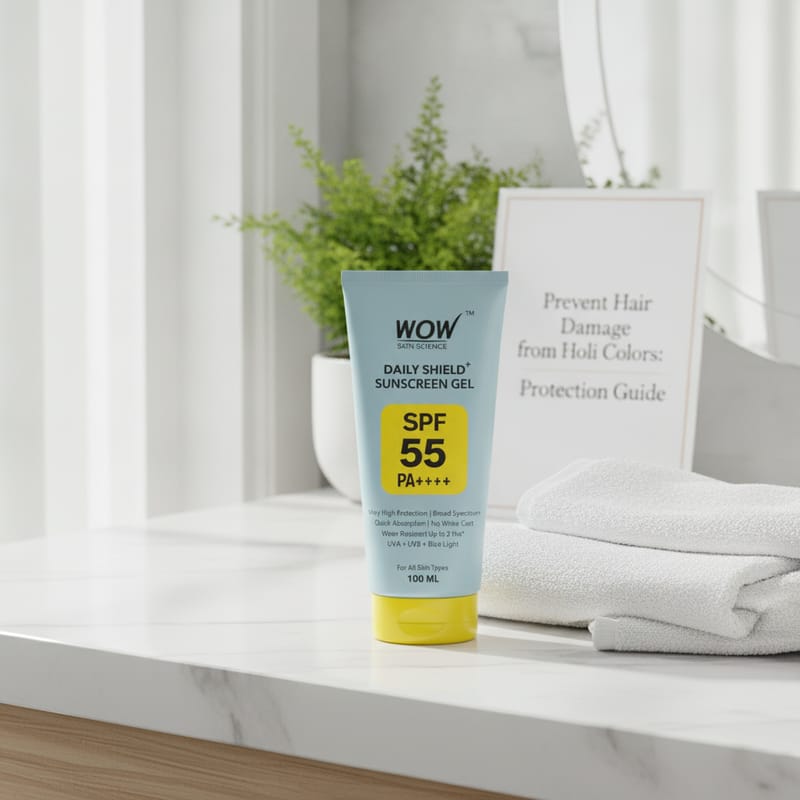
Your hairstyle can make or break your Holi hair protection strategy. Loose hair means maximum exposure. Every strand becomes a target for colors.
Tight braids work best. Start with a center part and create two Dutch braids close to your scalp. This keeps maximum hair tucked away and protected. Secure with covered elastics — metal clips can react with colors.
For short hair, multiple small braids or cornrows offer protection. Men can slick hair back with extra oil and wear a bandana. The goal is minimizing surface area exposed to colors.
During Holi: Real-Time Protection Strategies
Once the celebration starts, your preparation gets tested. Having backup protection ready makes all the difference.
Physical Barriers and Coverings
A well-oiled scalp still needs physical protection. Old dupattas make excellent head wraps. Tie one turban-style, covering as much hair as possible.
Swimming caps might look silly, but they're incredibly effective. The tight seal keeps colors from seeping through. Many people now wear colorful wigs over protected hair — you get the fun look without the damage.
Shower caps work for quick protection between color sessions. Keep a few in your pocket. When someone approaches with particularly bright colors, pop one on quickly.
Safe Color Alternatives
Organic colors have revolutionized Holi celebrations. Made from flowers, vegetables, and herbs, they wash out easily without damaging hair.
Turmeric gives yellow. Beetroot provides pink. Spinach creates green. These natural alternatives might cost more, but your hair will thank you. They actually condition while coloring.
If you're hosting, provide organic colors for guests. When visiting others, carry your own safe colors. Most people happily switch when they understand the benefits.
Immediate Damage Control Tips
Despite precautions, colors will reach your hair. Quick action minimizes damage. Keep a spray bottle with diluted apple cider vinegar handy.
When colors penetrate your protection, spray the affected area immediately. The acid neutralizes alkaline colors before they bond with your hair. Don't rub — just spray and let it work.
If someone throws dry color directly at your hair, don't panic. Gently shake out excess without rubbing. Rubbing drives colors deeper into your cuticles. Let oil-coated hair repel what it can naturally.
Post-Holi Hair Recovery: Complete Guide
The first 24 hours after Holi determine how well your hair recovers. Rushing the cleaning process causes more damage than the colors themselves.
First Wash Protocol
Wait at least 2-3 hours after playing before your first wash. Your hair needs time to release loosely bonded colors. Start with lukewarm water — never hot.
Rinse for a full five minutes before applying any product. This removes surface colors without friction. You'll be amazed how much comes out with just water.
For the first wash, skip shampoo entirely. Mix besan (gram flour) with yogurt to create a paste. This natural cleanser pulls out colors while conditioning. Massage gently and rinse thoroughly.
Color Removal Techniques
Stubborn colors need special treatment. Lemon juice mixed with coconut oil works wonders. The citric acid breaks down color molecules while oil prevents drying.
Apply this mixture to colored sections. Wait 20 minutes, then rinse with cool water. You might need 2-3 applications for stubborn stains.
Never use harsh clarifying shampoos immediately. They strip your already damaged cuticles. Wait at least three days before using stronger cleansers if needed.
Intensive Repair Treatments
Your hair needs serious TLC for the next two weeks. Protein treatments rebuild damaged structure. Egg masks work brilliantly — mix two eggs with olive oil.
Apply weekly for a month. The protein fills gaps in damaged cuticles while oil restores moisture. Your hair gradually regains its original texture.
Deep conditioning becomes non-negotiable. Every third day, apply a moisturizing mask. Leave for 30 minutes under a warm towel. This consistent care reverses most Holi damage.
Natural Remedies for Color-Damaged Hair
Your kitchen holds powerful hair healers. These time-tested remedies cost almost nothing but deliver impressive results.
Kitchen Ingredients That Work
Methi (fenugreek) seeds are magic for Holi-damaged hair. Soak overnight, grind to paste, and apply. The proteins and lecithin repair and strengthen from within.
Aloe vera gel straight from the plant soothes irritated scalps. It also smooths raised cuticles, making hair manageable again. Apply before every wash for best results.
Rice water fermented for 24 hours contains amino acids that rebuild hair structure. Use as a final rinse after washing. Your grandmother probably knew this secret already.
DIY Hair Masks and Treatments
Here's my favorite post-Holi mask: mash one ripe banana with two tablespoons honey and one tablespoon coconut oil. This combination provides proteins, moisture, and shine.
For extreme damage, try this: mix equal parts yogurt and mayonnaise with one egg. Yes, it smells terrible. But the results are worth it. Leave for 45 minutes before washing.
Curry leaves ground with coconut oil prevent post-Holi hair fall. Boil leaves in oil until they turn black. Strain and massage into scalp twice weekly.
Ayurvedic Solutions
Amla, shikakai, and reetha — the traditional trio — work better than any chemical shampoo for color removal. Soak equal parts overnight and use the strained liquid to wash.
Bhringraj oil deserves special mention. It reverses chemical damage while promoting new growth. Warm the oil and massage into scalp every alternate night.
Neem paste tackles scalp infections from colors. Its antibacterial properties prevent the itching and flaking many experience post-Holi. Mix with yogurt for easier application.
Key Takeaways
• Start protection 48 hours before Holi with deep oiling • Use physical barriers like braids and head coverings • Choose organic colors whenever possible • Never use hot water for the first wash • Wait before using harsh shampoos • Natural ingredients often work better than expensive treatments • Consistent care over 2-3 weeks reverses most damage • Prevention is always easier than cure
Frequently Asked Questions
How long before Holi should I start preparing my hair?
Begin serious preparation 48 hours before Holi. This gives enough time for deep conditioning treatments to penetrate and create protective barriers. Start with an overnight oil treatment two nights before, followed by another oiling session the morning of Holi. Last-minute oiling helps but won't provide the same protection as properly prepared hair.
Can I use regular shampoo to remove Holi colors?
Avoid regular shampoo for the first 2-3 washes. Chemical surfactants in shampoo can react with color chemicals, driving them deeper into your hair shaft. Start with natural cleansers like besan or shikakai. After 3-4 days, when most color has faded, you can gradually return to mild shampoos. Clarifying shampoos should wait at least a week.
What's the best oil to protect hair from Holi colors?
Coconut oil remains the gold standard due to its small molecular structure that penetrates hair shafts. However, mixing oils works better — combine coconut with olive oil or almond oil for complete protection. Mustard oil, though smelly, creates an excellent barrier for those with very dry hair. Apply generously, focusing on ends and exposed areas.
How many washes does it take to completely remove Holi colors?
Natural colors wash out in 2-3 gentle washes. Synthetic colors typically need 5-7 washes over two weeks for complete removal. Forcing removal with excessive washing damages hair more than leaving slight stains. Patient, gentle cleansing with natural ingredients works better than aggressive scrubbing. Some stubborn stains might take up to a month to fade completely.
Is it safe to use hot water for removing colors from hair?
Never use hot water, especially for the first few washes. Hot water opens cuticles wider, allowing colors to penetrate deeper while stripping natural oils. Lukewarm water works best for initial rinses. You can use slightly warm water after 4-5 days when most color has faded. Cold water as a final rinse helps seal cuticles and adds shine to recovering hair.
Enjoyed this article?
Get more beauty tips and skincare guides delivered to your inbox.
Related Articles
WOW Skin Science: 2024 ରେ ଅଧିକାଂଶ ଲୋକ କ'ଣ ମିସ କରନ୍ତି
ଅଧିକାଂଶ ଲୋକ WOW Skin Science ପ୍ରୋଡକ୍ଟ ଭୁଲ ଭାବେ ବ୍ୟବହାର କରନ୍ତି ଏବଂ ସେମାନଙ୍କ ଫର୍ମୁଲେସନ୍ ପଛରେ ଥିବା ବିଜ୍ଞାନକୁ ମିସ କରନ୍ତି। ଏହି ପ୍ରୋଡକ୍ଟଗୁଡ଼ିକ କାହିଁକି କାମ କରେ ଏବଂ ଫଳାଫଳ ସର୍ବାଧିକ କରିବାର ଉପାୟ ଜାଣନ୍ତୁ।

WOW Skin Science: 2024-ൽ മിക്ക ആളുകളും നഷ്ടപ്പെടുത്തുന്നത്
മിക്ക ആളുകളും WOW Skin Science ഉൽപ്പന്നങ്ങൾ തെറ്റായി ഉപയോഗിക്കുന്നു കൂടാതെ അവയുടെ ഫോർമുലേഷനുകളിലെ ശാസ്ത്രം നഷ്ടപ്പെടുത്തുന്നു. ഈ ഉൽപ്പന്നങ്ങൾ എന്തുകൊണ്ട് പ്രവർത്തിക്കുന്നുവെന്നും ഫലങ്ങൾ പരമാവധി വർദ്ധിപ്പിക്കാൻ എങ്ങനെയെന്നും അറിയുക.
WOW Skin Science: 2024ರಲ್ಲಿ ಹೆಚ್ಚಿನ ಜನರು ತಪ್ಪಿಸುವ ವಿಷಯಗಳು
ಹೆಚ್ಚಿನ ಜನರು WOW Skin Science ಉತ್ಪನ್ನಗಳನ್ನು ತಪ್ಪಾಗಿ ಬಳಸುತ್ತಾರೆ ಮತ್ತು ಅವುಗಳ ಸೂತ್ರೀಕರಣದ ಹಿಂದಿನ ವಿಜ್ಞಾನವನ್ನು ಮಿಸ್ಸ್ ಮಾಡುತ್ತಾರೆ. ಈ ಉತ್ಪನ್ನಗಳನ್ನು ಏನು ಕೆಲಸ ಮಾಡುತ್ತದೆ ಮತ್ತು ಫಲಿತಾಂಶಗಳನ್ನು ಗರಿಷ್ಠಗೊಳಿಸುವುದು ಹೇಗೆ ಎಂದು ತಿಳಿಯಿರಿ.