
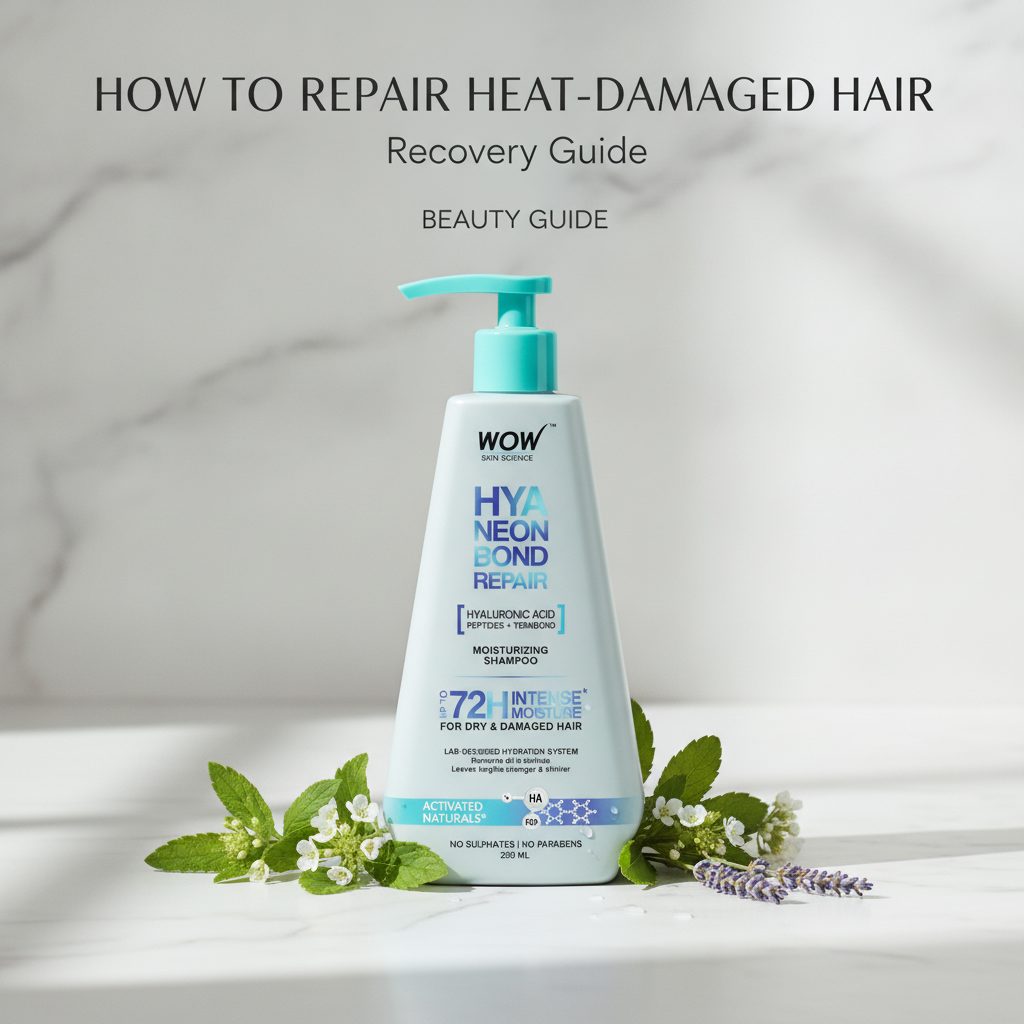
How to Repair Heat-Damaged Hair: Recovery Guide
Discover proven methods to repair heat-damaged hair. From identifying damage signs to recovery treatments, restore your hair's health and shine.
WOW Skin Science Editorial Team
Beauty experts sharing science-backed skincare tips.
What is Heat Damage and How to Identify It
That sinking feeling when your hair feels like straw after months of straightening? You're not alone. Heat damage affects millions of us who love our styling tools but hate what they do to our hair.
Your hair is crying for help when it refuses to hold moisture, breaks at the slightest touch, or feels rough even after conditioning. These aren't just bad hair days — they're signs of structural damage that needs immediate attention.
Common Signs of Heat-Damaged Hair
Heat damage shows up in ways you can't ignore. Your once-bouncy curls might hang limp and lifeless. Straight hair develops weird kinks and bends that won't smooth out.
The most obvious signs include:
Excessive dryness that doesn't improve with regular conditioning
Split ends that travel up the hair shaft
Brittle texture that snaps when you run your fingers through
Loss of elasticity — hair doesn't bounce back when stretched
Frizz and flyaways that appear even in humid weather
Dull, lackluster appearance despite using shine products
Tangles easily and forms knots constantly
Your hair might also feel gummy when wet and crispy when dry. Color fades faster because damaged cuticles can't hold onto pigment properly.
The Science Behind Heat Damage
Here's what happens inside each strand. Your hair contains protein chains held together by bonds — think of them as tiny bridges keeping everything structured. Heat above 150°C starts breaking these bridges permanently.
The outer layer (cuticle) lifts and chips away first. This protective shield normally lies flat like roof tiles. Heat makes these tiles stand up, exposing the inner cortex to more damage. Once the cortex proteins denature, your hair loses its natural shape and strength forever.
Water inside your hair turns to steam at high temperatures. This creates tiny explosions that blow holes in the hair shaft. That's why extremely damaged hair looks porous and feels rough.
Heat Damage vs. Other Hair Damage Types
Not all damage is created equal. Chemical damage from bleaching or relaxing breaks different bonds than heat does. You'll notice chemical damage makes hair stretchy and gummy, while heat damage creates brittleness and breakage.
Mechanical damage from rough brushing or tight hairstyles causes localized weak spots. Heat damage affects the entire strand uniformly. Environmental damage from sun and pollution happens gradually — heat damage can occur in minutes.
The good news? While you can't reverse severe heat damage, you can significantly improve your hair's condition with the right approach.
Immediate Steps to Take for Heat-Damaged Hair
Your hair needs emergency care right now. Every day you wait means more breakage and frustration. Here's your action plan to stop the damage and start recovery.
Stop Further Damage
First things first — put down the flat iron. Your hair needs a complete break from heat styling for at least 8-12 weeks. This sounds drastic, but damaged hair exposed to more heat will only get worse.
Switch your blow dryer to cool setting only. Better yet, embrace air drying. If you absolutely must use heat for special occasions, never go above 150°C and always use heat protection.
Replace your regular shampoo with a sulfate-free formula. Sulfates strip away natural oils that damaged hair desperately needs. Look for gentle cleansers with hydrating ingredients like glycerin or aloe vera.
Emergency Hair Care Routine
Your new routine starts tonight:
Pre-shampoo oil treatment — Apply coconut or argan oil 30 minutes before washing
Gentle cleansing — Use lukewarm water and minimal shampoo
Deep condition for 15 minutes — Focus on mid-lengths and ends
Cool water rinse — Seals cuticles and reduces frizz
Leave-in conditioner — Apply to damp hair for extra protection
Air dry or cool blow dry — Patience pays off here
Sleep on a silk pillowcase to reduce friction. Cotton absorbs moisture and creates tangles. Tie your hair in a loose braid or use a silk scrunchie — never tight elastics.
Trimming Away the Damage
Here's the truth nobody wants to hear — severely damaged ends need to go. Split ends travel upward, damaging healthy hair along the way. A good trim removes the worst damage and gives your hair a fresh start.
You don't need to chop everything off. Start with a 1-2 inch trim every 6-8 weeks. This removes damage gradually while maintaining length. Ask your stylist for "dusting" — a technique that removes only the damaged bits.
Between trims, resist the urge to pull or cut split ends yourself. This often creates more damage. Instead, seal splits temporarily with a drop of argan oil twisted into the ends.
Deep Conditioning and Protein Treatments
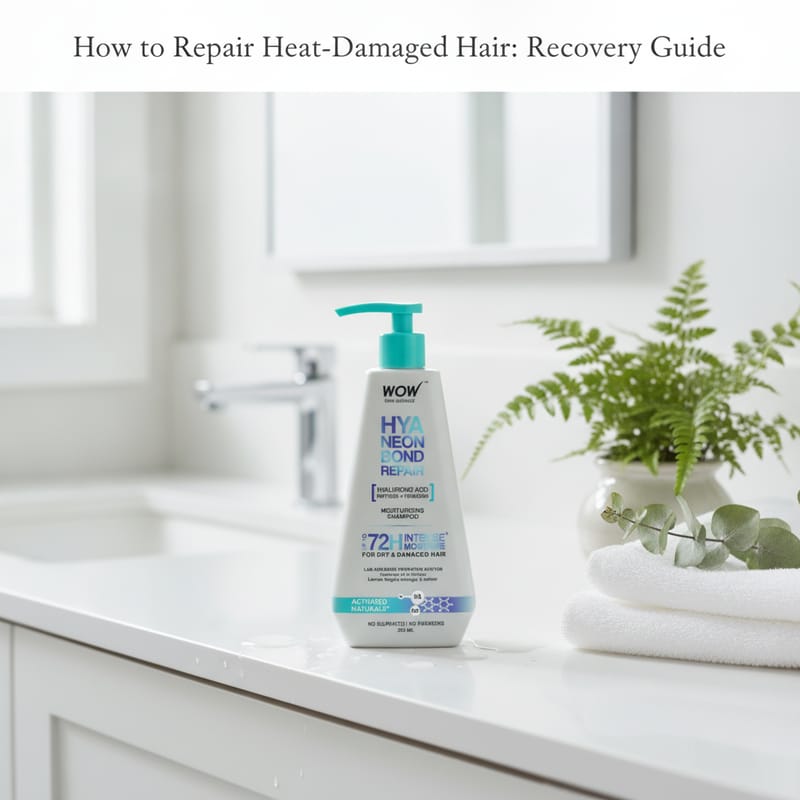
Your hair needs intensive care to rebuild its structure. Think of deep conditioning like physical therapy for damaged strands — regular sessions lead to dramatic improvement.
Choosing Between Protein and Moisture
Heat-damaged hair usually needs both protein and moisture, but balance is crucial. Too much protein makes hair brittle and prone to breakage. Too much moisture leaves it limp and weak.
Do the strand test: Take a wet hair strand and gently stretch it. If it stretches far and doesn't return to its original length, you need protein. If it snaps immediately with little stretch, you need moisture.
Start with moisture treatments twice weekly, then add a protein treatment once every two weeks. Adjust based on how your hair responds. Fine hair typically needs less protein than thick, coarse hair.
DIY Hair Masks for Heat Damage
These kitchen ingredients work wonders for damaged hair:
Banana and Honey Mask (for intense moisture)
1 ripe banana, mashed smooth
2 tablespoons honey
1 tablespoon olive oil
Mix well and apply to damp hair. The potassium in bananas strengthens hair while honey locks in moisture. Leave for 30 minutes, then rinse thoroughly.
Egg and Yogurt Mask (for protein boost)
1 whole egg
3 tablespoons plain yogurt
1 teaspoon coconut oil
Blend ingredients and apply from roots to tips. Eggs provide protein while yogurt's lactic acid smooths cuticles. Keep on for 20 minutes, rinse with cool water to prevent egg from cooking.
Avocado and Aloe Mask (for balanced treatment)
½ ripe avocado
2 tablespoons aloe vera gel
1 tablespoon argan oil
Mash avocado until smooth, mix with other ingredients. This mask provides both protein and moisture. Perfect for weekly use on all damage levels.
Professional Treatment Options
Sometimes home remedies aren't enough. Professional treatments can jumpstart your recovery:
Bond-building treatments repair broken disulfide bonds in your hair structure. These treatments work at the molecular level to restore strength and elasticity. Results last 4-6 weeks with proper care.
Keratin smoothing treatments (formaldehyde-free versions) temporarily fill in damaged areas with protein. Your hair looks healthier immediately, though the damage remains underneath. Good for special events while you work on long-term recovery.
Scalp treatments improve blood flow and nutrient delivery to follicles. Healthy new growth replaces damaged hair over time. Many salons offer specialized scalp therapies with essential oils and massage.
Building a Heat Damage Recovery Routine
Consistency beats everything else in hair recovery. A structured routine ensures your hair gets what it needs daily, weekly, and monthly. Here's your roadmap to healthier hair.
Daily Care Essentials
Morning Routine:
Spritz hair with water mixed with aloe vera juice
Apply leave-in conditioner to damp ends
Use a wide-tooth comb, starting from the bottom
Style without heat using braids, twists, or buns
Finish with a few drops of hair oil on the ends
Evening Routine:
Gently detangle with fingers first
Apply overnight serum or oil to ends
Protective style for sleep (loose braid or silk bonnet)
Scalp massage for 2-3 minutes to boost circulation
Keep products simple. Your damaged hair doesn't need 10 different products — it needs 3-4 good ones used consistently.
Weekly Treatment Schedule
Structure your week for maximum results:
Monday & Thursday: Deep conditioning days
Shampoo with sulfate-free cleanser
Apply deep conditioner with heat cap for 30 minutes
Cool rinse and air dry
Wednesday: Protein treatment (every other week)
Light protein mask for 15-20 minutes
Follow with moisturizing leave-in
Saturday: Scalp care day
Oil massage before washing
Clarifying treatment once monthly
Extra gentle detangling session
Daily: Protective styling and moisture maintenance
Monthly Maintenance Plan
Track your progress monthly:
Week 1: Assess and adjust routine
Strand test for protein/moisture balance
Photo documentation of progress
Trim appointment if needed
Week 2: Intensive treatment week
Extra deep conditioning session
Professional treatment if desired
Week 3: Gentle maintenance
Focus on protective styles
Minimal manipulation
Week 4: Preparation for next month
Stock up on products
Plan any style changes
Schedule next trim
Heat-Free Styling Alternatives
Beautiful styles don't require burning your hair. These heat-free methods give you gorgeous results while your hair heals.
Overnight Styling Methods
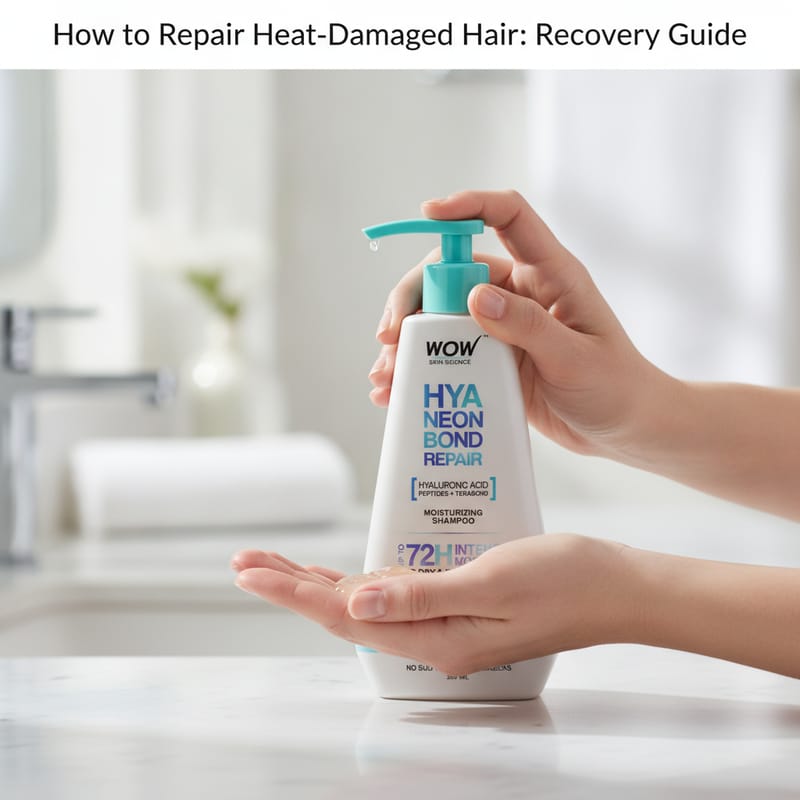
Braided Waves: Slightly damp hair braided before bed creates beautiful waves by morning. Use 2-6 braids depending on desired wave size. Mist with setting spray for longer hold.
Sock Bun Curls: Wind sections around clean socks for heatless ringlets. This Victorian-era technique still works brilliantly. Your grandmother probably used this method!
Twist and Pin: Create small twists all over your head, pin in place. Wake up to defined texture and volume. Works especially well on shoulder-length or longer hair.
Flexi-Rod Set: Foam rods create bouncy curls without damage. Apply setting lotion to damp hair, wrap around rods, sleep comfortably. Results last 3-5 days with proper care.
Air-Dry Techniques for Different Hair Types
Fine, Straight Hair:
Apply volumizing mousse to roots
Flip hair upside down while drying
Scrunch gently every 10 minutes
Finish with texturizing spray
Wavy Hair:
Use curl-enhancing cream on wet hair
Plop with microfiber towel for 20 minutes
Air dry without touching
Scrunch out any crunch when fully dry
Curly Hair:
Apply leave-in and gel to soaking wet hair
Use denman brush for definition
Hover diffuse on cool if needed
Protect curls overnight with satin bonnet
Coily Hair:
Section hair while wet
Apply cream then gel to each section
Twist or braid for definition
Allow to dry completely before separating
Protective Hairstyles During Recovery
Low-manipulation styles save your hair from daily damage:
Loose Braids: French braids, Dutch braids, or simple three-strand braids protect without tension. Change the position daily to avoid stress on the same spots.
Bun Variations: Low buns, space buns, or braided buns keep ends tucked away. Use soft scrunchies and change placement to prevent breakage.
Headband Styles: Silk headbands create elegant looks while protecting your hairline. Tuck and roll hair under for a faux bob effect.
Scarves and Wraps: Channel vintage glamour with silk scarves. They protect hair while looking incredibly stylish. Perfect for bad hair days during recovery.
Long-Term Prevention and Maintenance
Once your hair recovers, keeping it healthy means changing how you approach heat styling forever. Smart prevention beats damage control every time.
Safe Heat Styling Practices
When you do use heat again, follow these non-negotiable rules:
Always start with clean hair. Product buildup literally fries onto your strands at high temperatures. Clarify monthly to remove residue.
Never style soaking wet hair. Blow dry to 80% dry before using hot tools. Wet hair plus extreme heat equals instant damage.
Section properly. Smaller sections mean single passes. Running the iron over the same spot repeatedly multiplies damage exponentially.
Use the right temperature:
Fine hair: 250-300°F (120-150°C)
Medium hair: 300-350°F (150-175°C)
Thick hair: 350-400°F (175-200°C)
Damaged hair: Maximum 250°F (120°C)
Time limits matter. Hold hot tools on hair for 5 seconds maximum. Set a mental timer — those extra seconds cause exponential damage.
Heat Protectant Guide
A good heat protectant is non-negotiable. Here's what to look for:
Silicones like dimethicone create a protective barrier. They smooth cuticles and reduce moisture loss during styling.
Polymers form a flexible film around each strand. They help distribute heat evenly and prevent hot spots.
Natural oils like argan or grapeseed provide conditioning benefits. They won't protect alone but enhance other protective ingredients.
Application technique matters:
Spray from 6 inches away for even coverage
Comb through to distribute fully
Let it dry before applying heat
Reapply to ends — they need extra protection
Tools and Temperature Guidelines
Invest in quality tools with these features:
Ceramic or tourmaline plates distribute heat evenly. Cheap metal plates create damaging hot spots.
Adjustable temperature settings let you use only the heat you need. One-temperature tools force unnecessary heat on fine hair.
Automatic shut-off prevents accidents. Forgetting a hot tool plugged in damages more than just hair.
Ionic technology reduces static and frizz. Your hair stays smoother with less heat needed.
Replace tools showing wear:
Scratched plates snag and break hair
Loose handles indicate internal damage
Inconsistent heating means replace immediately
Frayed cords are dangerous — toss them
Key Takeaways
Your heat-damaged hair can recover with patience and the right approach. Remember these essential points:
• Immediate action prevents further damage — stop heat styling, switch to gentle products, and trim damaged ends
• Balance protein and moisture treatments based on your hair's specific needs, not generic advice
• Consistency in your routine matters more than expensive products — simple ingredients used regularly beat sporadic salon treatments
• Heat-free styling opens up creative possibilities while your hair heals — embrace braids, twists, and overnight techniques
• Prevention requires permanent changes to your heat styling habits — lower temperatures, quality tools, and always use protection
• Recovery takes 3-6 months minimum for moderate damage, up to a year for severe cases — be patient with the process
• New healthy growth will gradually replace damaged hair — focus on scalp health and gentle care
• Professional help speeds recovery but isn't mandatory — assess your budget and damage level realistically
Your hair's health reflects your overall wellness. Eat protein-rich foods, stay hydrated, and manage stress. Beautiful hair grows from a healthy body and consistent care. The journey to recovered hair teaches valuable lessons about patience and self-care that extend far beyond beauty.
Enjoyed this article?
Get more beauty tips and skincare guides delivered to your inbox.
Related Articles
WOW Skin Science: 2024 ରେ ଅଧିକାଂଶ ଲୋକ କ'ଣ ମିସ କରନ୍ତି
ଅଧିକାଂଶ ଲୋକ WOW Skin Science ପ୍ରୋଡକ୍ଟ ଭୁଲ ଭାବେ ବ୍ୟବହାର କରନ୍ତି ଏବଂ ସେମାନଙ୍କ ଫର୍ମୁଲେସନ୍ ପଛରେ ଥିବା ବିଜ୍ଞାନକୁ ମିସ କରନ୍ତି। ଏହି ପ୍ରୋଡକ୍ଟଗୁଡ଼ିକ କାହିଁକି କାମ କରେ ଏବଂ ଫଳାଫଳ ସର୍ବାଧିକ କରିବାର ଉପାୟ ଜାଣନ୍ତୁ।
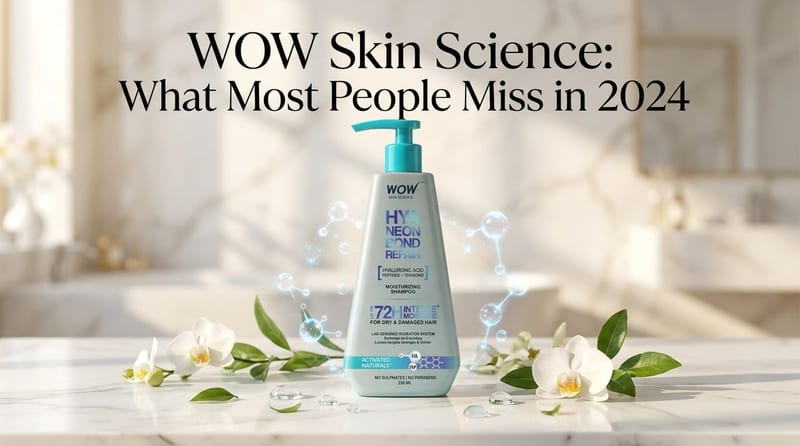
WOW Skin Science: 2024-ൽ മിക്ക ആളുകളും നഷ്ടപ്പെടുത്തുന്നത്
മിക്ക ആളുകളും WOW Skin Science ഉൽപ്പന്നങ്ങൾ തെറ്റായി ഉപയോഗിക്കുന്നു കൂടാതെ അവയുടെ ഫോർമുലേഷനുകളിലെ ശാസ്ത്രം നഷ്ടപ്പെടുത്തുന്നു. ഈ ഉൽപ്പന്നങ്ങൾ എന്തുകൊണ്ട് പ്രവർത്തിക്കുന്നുവെന്നും ഫലങ്ങൾ പരമാവധി വർദ്ധിപ്പിക്കാൻ എങ്ങനെയെന്നും അറിയുക.
WOW Skin Science: 2024ರಲ್ಲಿ ಹೆಚ್ಚಿನ ಜನರು ತಪ್ಪಿಸುವ ವಿಷಯಗಳು
ಹೆಚ್ಚಿನ ಜನರು WOW Skin Science ಉತ್ಪನ್ನಗಳನ್ನು ತಪ್ಪಾಗಿ ಬಳಸುತ್ತಾರೆ ಮತ್ತು ಅವುಗಳ ಸೂತ್ರೀಕರಣದ ಹಿಂದಿನ ವಿಜ್ಞಾನವನ್ನು ಮಿಸ್ಸ್ ಮಾಡುತ್ತಾರೆ. ಈ ಉತ್ಪನ್ನಗಳನ್ನು ಏನು ಕೆಲಸ ಮಾಡುತ್ತದೆ ಮತ್ತು ಫಲಿತಾಂಶಗಳನ್ನು ಗರಿಷ್ಠಗೊಳಿಸುವುದು ಹೇಗೆ ಎಂದು ತಿಳಿಯಿರಿ.