
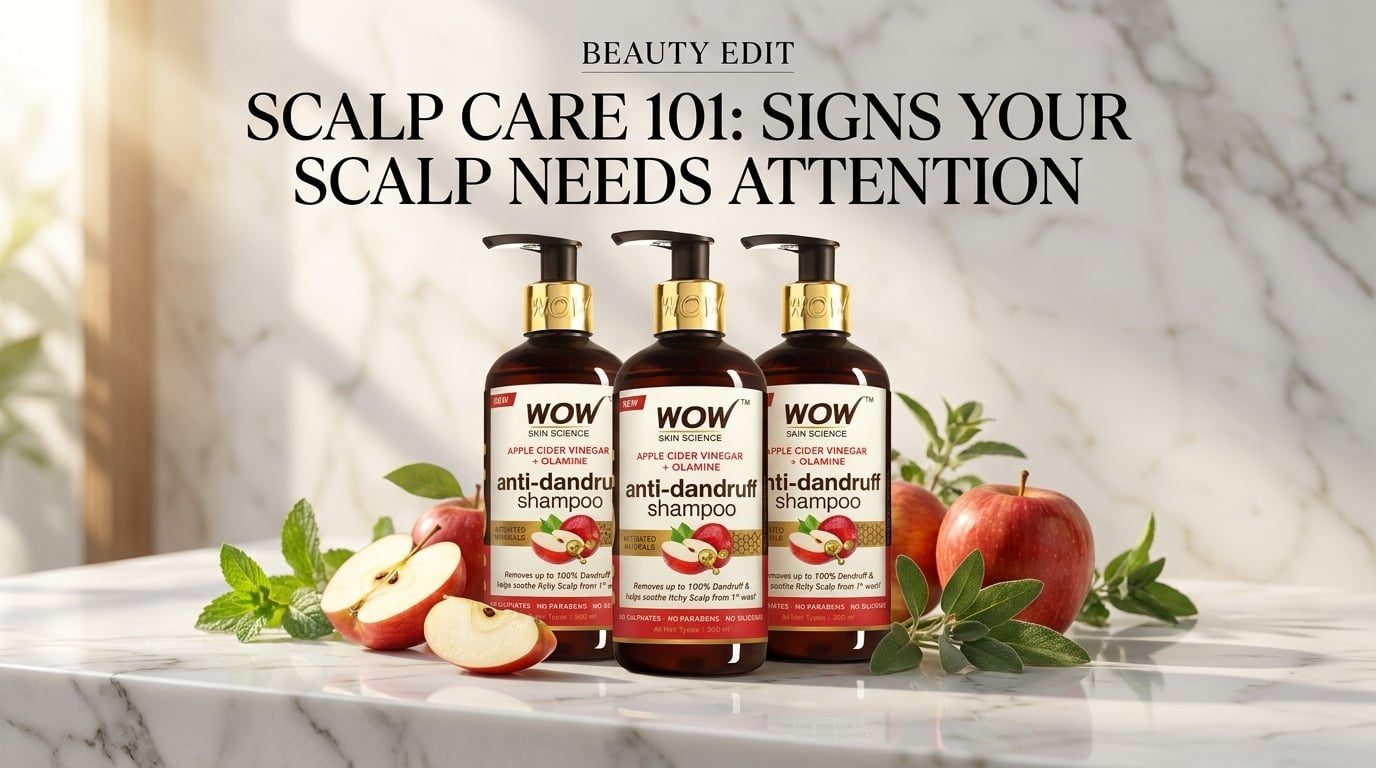
Scalp Care 101: Signs Your Scalp Needs Attention
Your scalp is the foundation of healthy hair. Learn to recognize signs of scalp imbalance and discover how proper scalp care can transform your hair health.
WOW Skin Science Editorial Team
Beauty experts sharing science-backed skincare tips.
Understanding Your Scalp: The Foundation of Healthy Hair
Your scalp is like the soil in a garden — if it's not healthy, nothing grows well. Most of us spend hours choosing the right shampoo or hair mask, but we forget about the skin underneath all that hair. Your scalp produces natural oils, sheds dead skin cells, and maintains a delicate balance of good bacteria. When this balance gets disrupted, your hair suffers too.
Why Scalp Health Matters
Think about it — your scalp has around 100,000 hair follicles, each one needing proper nourishment to produce strong, healthy hair. A healthy scalp maintains a pH level between 4.5 and 5.5, slightly acidic to keep harmful bacteria at bay. It produces just enough sebum to protect your hair without making it greasy.
When your scalp is unhappy, it shows. You might notice more hair fall, slower growth, or that your expensive hair treatments just don't seem to work. That's because healthy hair literally starts at the roots.
The Scalp Microbiome Explained
Your scalp is home to millions of tiny microorganisms — bacteria, fungi, and yeasts that actually help keep your scalp healthy. This microbiome acts like a protective shield, fighting off harmful invaders and maintaining balance. When you over-wash, use harsh products, or stress out your scalp, this delicate ecosystem gets disrupted.
The result? Your scalp might overproduce oil to compensate, or become dry and flaky. Sometimes it even develops acne-like bumps around the hairline. Products with gentle, targeted ingredients can help restore this balance without stripping away the good bacteria.
7 Warning Signs Your Scalp Needs Extra Care
1. Persistent Itching and Irritation
We've all had the occasional itch, but if you're constantly scratching your head, something's wrong. Persistent itching often means your scalp is crying out for moisture or dealing with product buildup. In our humid Indian climate, sweat mixed with styling products can create the perfect storm for irritation.
Pay attention to when the itching gets worse. After using dry shampoo? During stressful weeks? Right after washing? These clues help identify the culprit.
2. Excessive Flaking or Dandruff
Those white flakes on your favorite black kurta aren't just embarrassing — they're a sign your scalp needs help. Dandruff happens when your scalp sheds skin cells too quickly, often due to a yeast overgrowth or extreme dryness.
Here's a quick test: if the flakes are oily and yellowish, it's likely seborrheic dermatitis. If they're dry and powdery, you might just have a dry scalp. The treatment for each is completely different.
3. Oily Scalp and Greasy Roots
Your hair looks freshly washed in the morning but greasy by lunch? An overactive scalp produces excess sebum, making your roots oily while your ends stay dry. This often happens when you over-wash your hair — your scalp panics and produces more oil to compensate.
The Mumbai monsoon makes this worse. High humidity triggers more oil production, creating that flat, lifeless look we all dread.
4. Dry, Tight Scalp Sensation
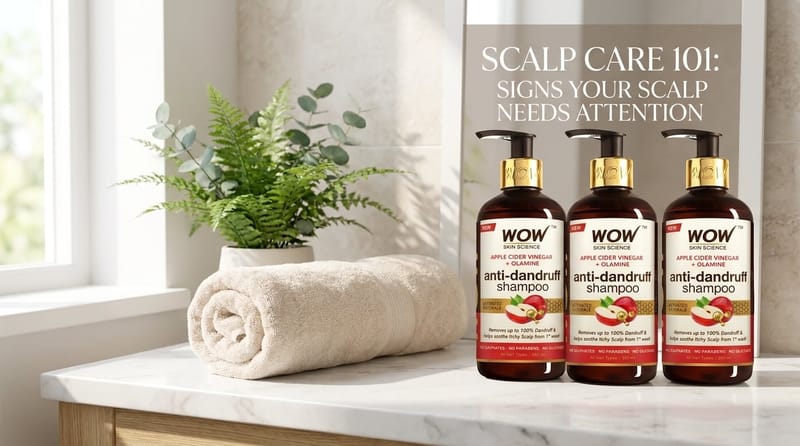
Ever feel like your scalp is too small for your head? That tight, uncomfortable feeling means your scalp lacks moisture. Hard water, common in many Indian cities, strips natural oils from your scalp. Add air conditioning and pollution to the mix, and you've got a recipe for dryness.
A dry scalp often looks dull and feels rough to touch. You might notice fine, dry flakes that differ from the larger, oilier dandruff flakes.
5. Redness and Inflammation
Red patches or general redness across your scalp signal inflammation. This could be from allergic reactions to hair dye, excessive heat styling, or underlying skin conditions. Sometimes, tight hairstyles like high ponytails or braids cause tension that leads to inflammation.
If you notice redness along your hairline or where you part your hair, it might be scalp acne. This needs different treatment than facial acne, as the scalp has more oil glands and thicker skin.
6. Hair Loss or Thinning
Finding more hair than usual in your shower drain? While losing 50-100 hairs daily is normal, excessive shedding often starts with scalp problems. An unhealthy scalp can't support strong hair growth.
Check if you're losing hair evenly across your scalp or in patches. Overall thinning might indicate scalp inflammation, while patchy loss could signal more serious conditions.
7. Unpleasant Odor
Nobody talks about it, but a smelly scalp is more common than you think. That musty smell comes from bacteria and fungi feeding on excess oil and dead skin cells. It gets worse in humid weather when your scalp can't breathe properly.
Regular cleansing helps, but if the smell persists even after washing, you might need targeted treatments to rebalance your scalp's microbiome.
Common Scalp Conditions and Their Symptoms
Seborrheic Dermatitis
This common condition affects millions but often goes undiagnosed. You'll notice greasy, yellow scales on your scalp, sometimes spreading to your eyebrows or behind your ears. It tends to flare up during weather changes or stressful periods.
Unlike regular dandruff, seborrheic dermatitis causes red, inflamed patches under the scales. The itching can be intense, especially at night.
Scalp Psoriasis
Psoriasis creates thick, silvery scales that look different from dandruff. These patches often extend beyond your hairline onto your forehead or neck. The scales are stubborn — they don't wash away easily like regular flakes.
About 50% of people with psoriasis have it on their scalp. It's not contagious, but it can be hereditary. Stress, weather changes, and certain medications can trigger flare-ups.
Folliculitis and Scalp Acne
Those small, red bumps along your hairline? That's probably folliculitis — inflamed hair follicles that look like tiny pimples. Heavy sweating, tight helmets, or product buildup often trigger these breakouts.
Scalp acne differs from facial acne because your scalp produces more oil and has thicker skin. Regular acne treatments might be too harsh here. Gentle, targeted serums work better for scalp breakouts.
Essential Scalp Care Routine for Optimal Health
Daily Scalp Care Steps
Your daily routine doesn't need to be complicated. Start with gentle brushing — use a soft-bristled brush to distribute natural oils and remove loose flakes. Brush from roots to tips in long strokes, spending extra time on areas that feel tense.
When washing, focus on your scalp, not your hair length. Use your fingertips (never nails!) to massage in circular motions for at least 60 seconds. This boosts circulation and helps remove buildup. Rinse with lukewarm water — hot water strips natural oils.
Weekly Treatment Rituals
Once a week, give your scalp some extra love. A pre-wash oil massage works wonders — warm up some coconut oil with a few drops of tea tree oil and massage it in for 10 minutes. My grandmother did this every Sunday, and her hair stayed thick well into her 80s.
Follow up with a clarifying treatment to remove product buildup. Apple cider vinegar diluted with water makes an excellent rinse. It balances pH and adds shine without harsh chemicals.
Monthly Deep Cleansing
Every month, do a scalp detox. Mix equal parts bentonite clay and water to create a paste. Apply it to your scalp, leave for 15 minutes, then wash thoroughly. This draws out impurities and excess oil without over-drying.
Consider using a scalp scrub with gentle exfoliants like sugar or salt. This removes dead skin cells and stimulates blood flow. Just don't scrub too hard — your scalp is delicate skin.
Natural Remedies and Professional Treatments
DIY Scalp Treatments at Home
Aloe vera straight from the plant soothes irritated scalps instantly. Cut a leaf, extract the gel, and apply directly to problem areas. Leave it for 20 minutes before washing.
For oily scalps, try a neem paste. Grind fresh neem leaves with water and apply the paste once a week. It's naturally antibacterial and helps control excess oil production.
Green tea rinses work beautifully for all scalp types. Brew strong green tea, let it cool, and use it as a final rinse after shampooing. The antioxidants reduce inflammation and add shine.
When to Seek Professional Help
Sometimes home remedies aren't enough. See a dermatologist if you have persistent symptoms lasting over two weeks, severe hair loss, or painful scalp conditions. Don't wait if you notice bleeding, oozing, or signs of infection.
Professional treatments like scalp analysis can identify underlying issues. Many clinics now offer microscopic scalp examinations that show exactly what's happening at the follicle level.
Key Takeaways: Your Scalp Health Action Plan
Check your scalp weekly — use a hand mirror to inspect for changes
Match your routine to your scalp type — oily scalps need different care than dry ones
Be gentle — aggressive scrubbing damages your scalp's protective barrier
Stay consistent — scalp health improves with regular care, not occasional treatments
Listen to your scalp — adjust your routine based on how it feels, not a rigid schedule
Choose targeted treatments — products designed for specific scalp concerns work better than generic ones
For stubborn scalp acne or inflammation along the hairline, targeted serums can make a real difference. Look for lightweight formulas that won't clog follicles or weigh down your roots.
Frequently Asked Questions About Scalp Care
How often should I wash my hair if I have scalp issues?
It depends on your specific condition. Oily scalps benefit from washing every other day with a gentle shampoo. Dry, flaky scalps do better with washing twice a week using moisturizing products. The key is finding what works for you — start with every three days and adjust based on how your scalp feels.
Can diet affect my scalp health?
Absolutely! Your scalp needs nutrients just like the rest of your body. Omega-3 fatty acids from fish and walnuts reduce inflammation. Zinc from nuts and seeds helps control oil production. B vitamins from whole grains support healthy cell turnover. Stay hydrated — even mild dehydration shows up as scalp dryness.
What's the difference between dry scalp and dandruff?
Dry scalp produces small, white flakes that fall easily. Your scalp feels tight and might look dull. Dandruff creates larger, yellowish flakes that stick to your scalp and hair. It's usually oilier and comes with more intense itching. Dry scalp improves with moisturizing, while dandruff needs anti-fungal treatment.
Is it normal for my scalp to hurt when I move my hair?
Scalp tenderness happens, but it's not normal if it's frequent. Common causes include tight hairstyles, product buildup, or inflammation. Sometimes stress manifests as scalp pain. Try loosening your hairstyle, doing a clarifying wash, and massaging your scalp gently. See a doctor if pain persists.
How long does it take to see improvement in scalp conditions?
Most people notice initial improvement within 2-3 weeks of consistent care. Complete healing might take 6-8 weeks, depending on the condition. Severe issues like psoriasis might need longer. Stay patient and consistent — scalp health doesn't change overnight, but steady care brings lasting results.
Enjoyed this article?
Get more beauty tips and skincare guides delivered to your inbox.
Related Articles
WOW Skin Science: 2024 ରେ ଅଧିକାଂଶ ଲୋକ କ'ଣ ମିସ କରନ୍ତି
ଅଧିକାଂଶ ଲୋକ WOW Skin Science ପ୍ରୋଡକ୍ଟ ଭୁଲ ଭାବେ ବ୍ୟବହାର କରନ୍ତି ଏବଂ ସେମାନଙ୍କ ଫର୍ମୁଲେସନ୍ ପଛରେ ଥିବା ବିଜ୍ଞାନକୁ ମିସ କରନ୍ତି। ଏହି ପ୍ରୋଡକ୍ଟଗୁଡ଼ିକ କାହିଁକି କାମ କରେ ଏବଂ ଫଳାଫଳ ସର୍ବାଧିକ କରିବାର ଉପାୟ ଜାଣନ୍ତୁ।

WOW Skin Science: 2024-ൽ മിക്ക ആളുകളും നഷ്ടപ്പെടുത്തുന്നത്
മിക്ക ആളുകളും WOW Skin Science ഉൽപ്പന്നങ്ങൾ തെറ്റായി ഉപയോഗിക്കുന്നു കൂടാതെ അവയുടെ ഫോർമുലേഷനുകളിലെ ശാസ്ത്രം നഷ്ടപ്പെടുത്തുന്നു. ഈ ഉൽപ്പന്നങ്ങൾ എന്തുകൊണ്ട് പ്രവർത്തിക്കുന്നുവെന്നും ഫലങ്ങൾ പരമാവധി വർദ്ധിപ്പിക്കാൻ എങ്ങനെയെന്നും അറിയുക.
WOW Skin Science: 2024ರಲ್ಲಿ ಹೆಚ್ಚಿನ ಜನರು ತಪ್ಪಿಸುವ ವಿಷಯಗಳು
ಹೆಚ್ಚಿನ ಜನರು WOW Skin Science ಉತ್ಪನ್ನಗಳನ್ನು ತಪ್ಪಾಗಿ ಬಳಸುತ್ತಾರೆ ಮತ್ತು ಅವುಗಳ ಸೂತ್ರೀಕರಣದ ಹಿಂದಿನ ವಿಜ್ಞಾನವನ್ನು ಮಿಸ್ಸ್ ಮಾಡುತ್ತಾರೆ. ಈ ಉತ್ಪನ್ನಗಳನ್ನು ಏನು ಕೆಲಸ ಮಾಡುತ್ತದೆ ಮತ್ತು ಫಲಿತಾಂಶಗಳನ್ನು ಗರಿಷ್ಠಗೊಳಿಸುವುದು ಹೇಗೆ ಎಂದು ತಿಳಿಯಿರಿ.