
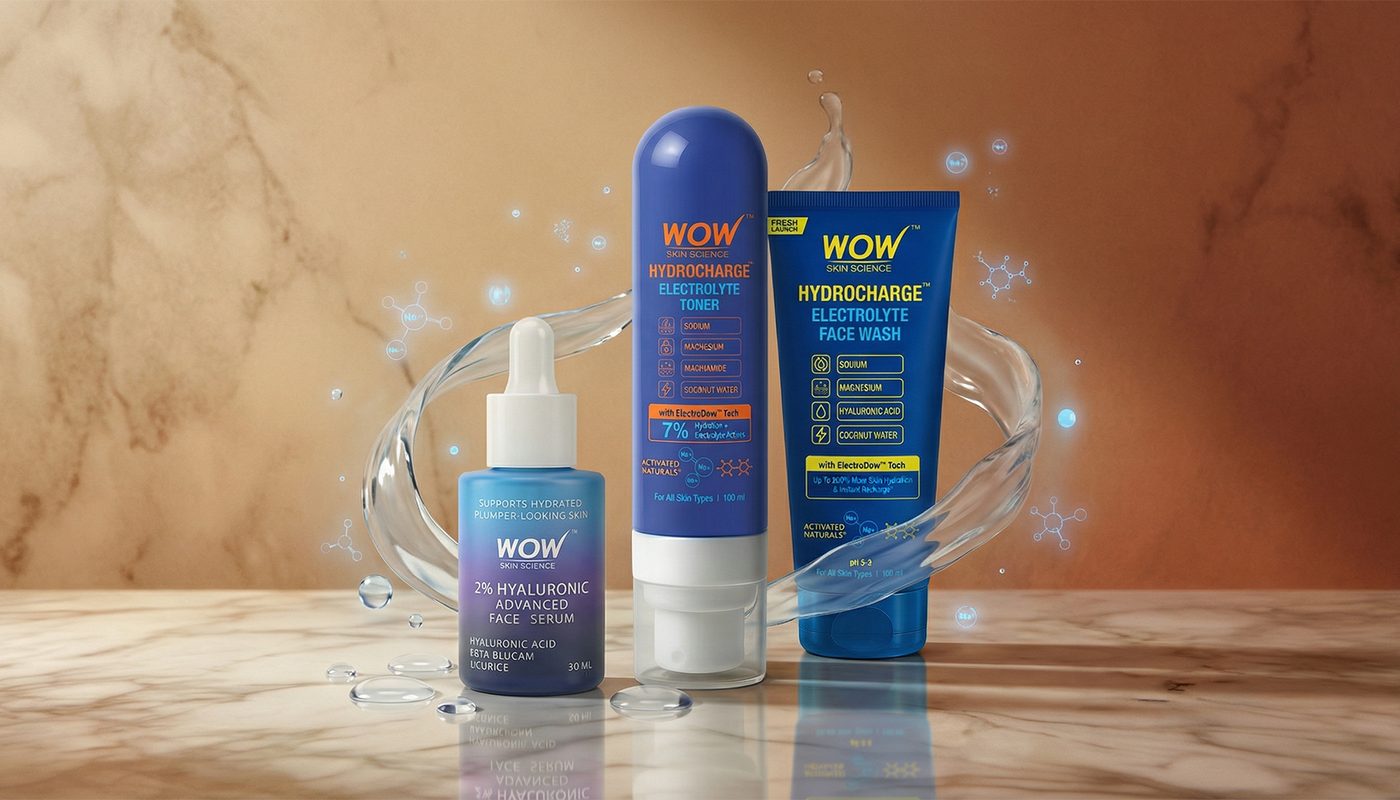
Sleep & Beauty: Your Best Anti-Aging Secret
Quality sleep triggers cellular regeneration and boosts blood flow to skin by 25%. Learn why 8 hours of rest might be your most powerful anti-aging treatment.
WOW Skin Science Editorial Team
Beauty experts sharing science-backed skincare tips.
Sleep & Beauty: Your Best Anti-Aging Secret
Remember those mornings when you wake up after a solid eight hours and your skin just glows? That's not your imagination playing tricks. Your grandmother was right when she insisted on early bedtimes for beautiful skin. Science now backs what beauty wisdom has known for centuries — quality sleep might be the most powerful anti-aging treatment you're not fully using.
The Science Behind Beauty Sleep: How Rest Transforms Your Skin
Your skin works overtime while you sleep. Between 10 PM and 2 AM, your body enters repair mode, releasing growth hormones that trigger cellular regeneration. This isn't just beauty folklore — it's biology at work.
During deep sleep, your blood flow increases by up to 25%. More blood means more oxygen and nutrients reaching your skin cells. Your body temperature drops slightly, allowing your skin to absorb moisturizers and treatments more effectively. That expensive night cream you splurged on? It works best when you're fast asleep.
What Happens to Your Skin During Sleep
The moment you drift off, your skin switches gears. Cortisol levels drop dramatically. This stress hormone, which breaks down collagen during the day, finally takes a break. Your skin's pH levels rebalance, becoming slightly more acidic — perfect for fighting acne-causing bacteria.
Cell turnover accelerates by nearly 30% during sleep. Dead skin cells shed faster, revealing fresher skin underneath. Your skin also produces more collagen at night. One study found that people who slept seven to nine hours had 30% stronger skin elasticity than those sleeping five hours or less.
The Role of Growth Hormones in Skin Repair
Around 70% of your daily growth hormone release happens during deep sleep. These hormones are like construction workers for your skin, repairing damage from UV rays, pollution, and daily stress. They stimulate collagen production and accelerate wound healing.
Growth hormones also help maintain your skin's moisture barrier. Without adequate sleep, this barrier weakens, leading to dehydration and sensitivity. Indian summers are harsh enough on your skin — don't make it worse by skipping sleep.
Circadian Rhythms and Skin Cell Regeneration
Your skin follows its own 24-hour clock. Skin cell regeneration peaks between midnight and 4 AM. DNA repair mechanisms are most active during these hours. Missing this window regularly means accumulated damage that shows up as premature aging.
Your skin's circadian rhythm also affects oil production. Sebum production is lowest at night, which is why combination skin types often wake up feeling balanced. Understanding this rhythm helps you time your skincare routine for maximum benefits.
7 Ways Poor Sleep Ages Your Skin Faster
Chronic sleep deprivation does more damage than you might think. Here's what happens when you consistently skimp on sleep:
Dark circles become permanent — Poor circulation and fluid buildup create that tired, hollow look under your eyes
Fine lines deepen into wrinkles — Without nightly collagen production, existing lines become more pronounced
Skin loses its natural glow — Reduced blood flow leaves skin looking dull and lifeless
Acne flares up more often — Increased cortisol triggers excess oil production and inflammation
Skin texture becomes uneven — Slower cell turnover leads to rough patches and clogged pores
Age spots appear earlier — Weakened DNA repair mechanisms can't fight sun damage effectively
Skin sags and loses firmness — Elastin breakdown accelerates without proper recovery time
Increased Cortisol and Skin Inflammation
Just one night of poor sleep increases cortisol by 37%. This stress hormone triggers inflammation throughout your body, including your skin. Chronic inflammation breaks down collagen and elastin — the proteins keeping your skin firm and bouncy.
High cortisol also disrupts your skin's barrier function. You'll notice increased sensitivity, redness, and reactions to products that never bothered you before. For those with conditions like rosacea or eczema, poor sleep often triggers flare-ups.
Breakdown of Collagen and Elastin
Your body produces less collagen when sleep-deprived. Studies show that women who sleep five hours nightly have twice as many wrinkles as those sleeping seven hours. The math is simple — less sleep equals less collagen equals more visible aging.
Elastin, responsible for skin's snap-back quality, also suffers. Without adequate rest, enzymes that break down elastin become overactive. The result? Skin that doesn't bounce back, leading to sagging around the jawline and cheeks.
Dehydration and Compromised Skin Barrier
Poor sleep disrupts your skin's ability to retain moisture. The skin barrier, which normally locks in hydration, becomes permeable. Water loss increases by up to 30% after a sleepless night. Your skin feels tight, looks flaky, and makeup doesn't sit well.
This compromised barrier also lets irritants penetrate more easily. Pollution, harsh weather, and even your regular skincare products might suddenly cause reactions. Living in cities like Delhi or Mumbai with high pollution? Your sleep-deprived skin suffers even more.
The Optimal Sleep Schedule for Maximum Beauty Benefits
Quality matters as much as quantity when it comes to beauty sleep. Your skin needs consistent, uninterrupted rest to complete its repair cycles.
How Many Hours of Sleep Do You Really Need?
The sweet spot for skin health is 7-9 hours nightly. Research shows that people sleeping less than six hours have significantly more signs of skin aging. But here's what most articles won't tell you — consistency matters more than perfection.
Sleeping seven hours every night beats alternating between four hours on weekdays and twelve on weekends. Your skin thrives on routine. Irregular sleep patterns confuse your body's repair mechanisms, reducing their effectiveness.
The Golden Hours: When to Sleep for Best Skin Recovery
Timing your sleep with your body's natural rhythms amplifies benefits. The period between 10 PM and 2 AM is crucial for skin repair. Growth hormone release peaks during these hours, regardless of when you actually fall asleep.
Going to bed by 10:30 PM aligns with your skin's repair schedule. Yes, Netflix is tempting, but your future self will thank you for choosing sleep. If you must stay up late occasionally, try to maintain the same wake time to preserve your rhythm.
Creating a Consistent Sleep-Wake Cycle
Your skin loves predictability. Establish a bedtime routine and stick to it — even on weekends. Set a gentle alarm for bedtime, not just wake time. Your body will start preparing for sleep automatically.
Start winding down 90 minutes before bed. Dim the lights, put away screens, and signal to your body that sleep is coming. This transition period helps your cortisol levels drop naturally, preparing your skin for optimal repair mode.
Your Complete Nighttime Beauty Routine for Anti-Aging
The right bedtime routine amplifies your skin's natural repair processes. Here's how to maximize your beauty sleep benefits.
Pre-Sleep Skincare Rituals That Maximize Results
Start your routine 30-45 minutes before bed. This gives products time to absorb before your face hits the pillow. Begin with gentle cleansing to remove makeup, sunscreen, and daily grime. Double cleansing works especially well for oily skin types common in humid Indian climates.
Apply treatments from thinnest to thickest consistency. Serums with active ingredients go first, followed by moisturizer. Wait 2-3 minutes between layers. Your final step should be a nourishing night cream or face oil to seal everything in.
Skip harsh actives if you're sleep-deprived. Your skin is already stressed — adding strong retinoids or acids might cause irritation. On exhausted nights, focus on hydration and barrier repair instead.
The Best Sleep Positions for Preventing Wrinkles
Sleeping on your back is ideal for preventing sleep lines that eventually become permanent wrinkles. Side sleepers often develop deeper lines on one side of their face. Stomach sleeping is worst — it crushes your face against the pillow for hours.
Can't sleep on your back? Use a silk or satin pillowcase to reduce friction. Place a small pillow under your knees to make back sleeping more comfortable. Some people find success with special anti-wrinkle pillows that minimize face contact.
Silk Pillowcases and Other Sleep Accessories
Silk pillowcases aren't just luxury — they're skin savers. The smooth surface creates less friction, reducing sleep lines and preventing hair breakage. Silk also doesn't absorb moisture like cotton, keeping your skincare products on your face where they belong.
Consider a humidifier, especially during winter months or if you use AC regularly. Maintaining 40-60% humidity prevents overnight moisture loss. An eye mask blocks light, encouraging deeper sleep and preventing you from squinting.
Natural Sleep Aids That Boost Your Beauty Rest
Sometimes you need extra help achieving quality sleep. Natural remedies work with your body's systems rather than forcing sleep.
Foods and Supplements for Better Sleep Quality
Certain foods naturally promote sleep. Almonds and walnuts contain melatonin and magnesium. A handful an hour before bed helps many people. Warm milk with turmeric — the classic Indian bedtime drink — contains tryptophan and anti-inflammatory compounds.
Magnesium supplements can improve sleep quality dramatically. Start with 200-400mg before bed. Ashwagandha, an Ayurvedic herb, reduces cortisol and promotes restful sleep. Always consult your doctor before starting new supplements.
Relaxation Techniques and Bedtime Rituals
Simple breathing exercises work wonders. Try the 4-7-8 technique: inhale for 4 counts, hold for 7, exhale for 8. Repeat 3-4 times. This activates your parasympathetic nervous system, signaling relaxation.
Create a calming ritual you enjoy. Maybe it's reading, gentle stretching, or journaling. The key is consistency — your brain will start associating these activities with sleep. Keep it simple and sustainable.
Creating the Perfect Sleep Environment
Your bedroom should be cool, dark, and quiet. Ideal temperature is 18-22°C. Use blackout curtains or an eye mask to block light. White noise or a fan can mask disruptive sounds.
Remove electronic devices from your bedroom. The blue light disrupts melatonin production, and notifications trigger stress responses. Charge your phone in another room. Use an old-fashioned alarm clock instead.
Key Takeaways: Your Beauty Sleep Action Plan
Making sleep a priority transforms your skin from within. Small changes create big results when practiced consistently.
Quick Wins for Better Sleep Tonight
Set a phone alarm for "bedtime" 30 minutes before you want to sleep
Lower your bedroom temperature by 2-3 degrees
Try the 4-7-8 breathing technique when your head hits the pillow
Apply a hydrating face mask or rich moisturizer before bed
Put your phone on airplane mode or leave it outside your bedroom
Use an eye mask if your room isn't completely dark
Long-Term Strategies for Sustained Results
Building better sleep habits takes time but pays off enormously. Start by choosing the same bedtime every night for one week. Once that feels natural, add a wind-down routine. Gradually adjust your schedule by 15-minute increments if needed.
Track your skin's improvement with weekly selfies in the same lighting. Most people notice brighter skin within 7-10 days of better sleep. Fine lines and texture improvements typically appear after 3-4 weeks of consistent quality sleep.
Frequently Asked Questions About Sleep and Skin Health
Can I reverse skin damage from years of poor sleep? Yes, your skin has remarkable regenerative abilities. While you can't undo all damage, consistent quality sleep can significantly improve skin texture, reduce fine lines, and restore glow within 4-6 weeks. Combine good sleep with proper skincare for best results.
How long does it take to see skin improvements from better sleep? Most people notice increased radiance and reduced puffiness within 3-5 days. Significant improvements in fine lines and skin texture typically appear after 2-3 weeks of consistent 7-8 hour sleep. Document with photos to track your progress.
Does napping count towards beauty sleep benefits? Short naps (20-30 minutes) can help reduce cortisol but don't provide the deep sleep needed for skin repair. Naps don't replace nighttime sleep but can supplement it. Avoid napping after 3 PM as it might disrupt your night schedule.
What's the best sleeping position to prevent wrinkles? Back sleeping prevents sleep lines and facial puffiness. If you can't sleep on your back, alternate sides nightly to prevent asymmetrical aging. Use a silk pillowcase and keep your head slightly elevated to reduce fluid accumulation.
Can too much sleep be bad for your skin? Oversleeping (more than 9-10 hours regularly) can disrupt your circadian rhythm and increase inflammation. It often indicates underlying health issues that might affect your skin. Aim for consistent 7-9 hours rather than extreme sleep patterns.
Enjoyed this article?
Get more beauty tips and skincare guides delivered to your inbox.
Related Articles
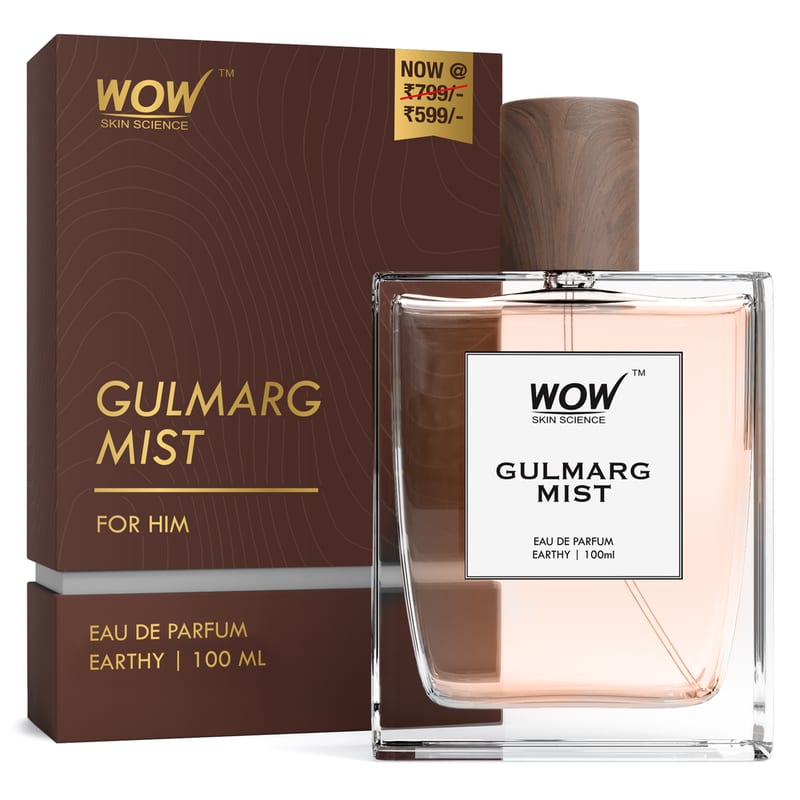
ସୁଗନ୍ଧ ସେଟର ସମ୍ପୂର୍ଣ୍ଣ ଗାଇଡ: ଆପଣ ଯାହା ଜାଣିବା ଆବଶ୍ୟକ
ସୁଗନ୍ଧ ସେଟ ସେହି ସୁଗନ୍ଧ ପ୍ରେମୀଙ୍କ ପାଇଁ ନିଖୁଁତ ସମାଧାନ ଯେଉଁମାନେ ଅଧିକ ଖର୍ଚ୍ଚ ନକରି ବିଭିନ୍ନ ପ୍ରକାରର ସୁଗନ୍ଧ ଚାହାଁନ୍ତି। ଆପଣଙ୍କ ଆବଶ୍ୟକତା ଅନୁଯାୟୀ ସଠିକ ସୁଗନ୍ଧ ସେଟ ବାଛିବା ଶିଖନ୍ତୁ ଏବଂ ବ୍ୟକ୍ତିଗତ ବୋତଲ ତୁଳନାରେ 20-30% ସଞ୍ଚୟ କରନ୍ତୁ।
ಪರಫ್ಯೂಮ್ ಸೆಟ್ನ ಸಂಪೂರ್ಣ ಗೈಡ್: ನಿಮಗೆ ಬೇಕಾದ ಎಲ್ಲವೂ
ಪರಫ್ಯೂಮ್ ಸೆಟ್ಗಳು ವಿವಿಧ ಸುಗಂಧಗಳನ್ನು ಬಯಸುವ ಸುಗಂಧ ಪ್ರೇಮಿಗಳಿಗೆ ಪರಿಪೂರ್ಣ ಪರಿಹಾರವನ್ನು ನೀಡುತ್ತವೆ. ನಿಮ್ಮ ಅಗತ್ಯಗಳಿಗೆ ಸರಿಯಾದ ಪರಫ್ಯೂಮ್ ಸೆಟ್ ಆಯ್ಕೆ ಮಾಡುವುದು ಹೇಗೆ ಎಂದು ತಿಳಿಯಿರಿ ಮತ್ತು ಪ್ರತ್ಯೇಕ ಬಾಟಲುಗಳಿಗೆ ಹೋಲಿಸಿದರೆ 20-30% ಉಳಿತಾಯ ಮಾಡಿ.
ਪਰਫਿਊਮ ਸੈੱਟ ਦੀ ਸੰਪੂਰਨ ਗਾਈਡ: ਤੁਹਾਨੂੰ ਜਾਣਨ ਲਈ ਸਭ ਕੁਝ
ਪਰਫਿਊਮ ਸੈੱਟ ਉਨ੍ਹਾਂ ਖੁਸ਼ਬੂ ਪ੍ਰੇਮੀਆਂ ਲਈ ਸੰਪੂਰਨ ਹੱਲ ਹਨ ਜੋ ਬਿਨਾ ਜ਼ਿਆਦਾ ਖਰਚ ਕੀਤੇ ਵਿਭਿੰਨਤਾ ਚਾਹੁੰਦੇ ਹਨ। ਆਪਣੀ ਜ਼ਰੂਰਤ ਅਨੁਸਾਰ ਸਹੀ ਪਰਫਿਊਮ ਸੈੱਟ ਚੁਣਨਾ ਸਿੱਖੋ ਅਤੇ ਵਿਅਕਤੀਗਤ ਬੋਤਲਾਂ ਦੇ ਮੁਕਾਬਲੇ 20-30% ਬਚਾਓ।