
Sulphate-Free Shampoo: How to Spot One and Who Needs It
The front label can mislead. Here is how to spot a truly sulphate-free shampoo, and what it can and cannot do for hair fall.
Garima
WOW Editorial Team
TITLE: Sulphate-Free Shampoo: How to Spot One and Who Needs It
Sulphate-free shampoos clean without SLS, SLES or ammonium lauryl sulphate. They use milder cleansers such as cocamidopropyl betaine, sodium cocoyl isethionate or decyl glucoside instead. To find a shampoo which is sulphate free, read the ingredient list on the back, not just the front label, and check the first few ingredients after water.
Below is how to read that label, whether these shampoos actually work, and what they can and cannot do for hair fall.
What makes a shampoo sulphate free?
Sulphates are surfactants, the ingredients that lift oil and dirt and make shampoo foam. They clean very well, but on dry, curly or colour-treated hair they can leave strands feeling rough and stripped.
A sulphate-free shampoo swaps them for gentler surfactants. These still clean, but they take away less of the natural oil that keeps hair soft.
How do I spot shampoo which are sulphate free on the label?
Turn the bottle over. Ingredients are listed from highest to lowest amount, so the cleanser usually appears right after water.
Names that mean the shampoo contains sulphates:
Sodium lauryl sulphate (SLS)
Sodium laureth sulphate (SLES)
Ammonium lauryl sulphate or ammonium laureth sulphate
Any name ending in "sulfate" or "sulphate"
Gentler cleansers you will often see instead:
Cocamidopropyl betaine
Sodium cocoyl isethionate
Decyl glucoside, lauryl glucoside or coco glucoside
Sodium lauroyl sarcosinate
Disodium laureth sulfosuccinate
Two names confuse many people. Sodium lauryl sulfoacetate and sodium C14-16 olefin sulfonate are not sulphates. However, olefin sulfonate can still feel fairly strong on very dry hair, so notice how your hair feels after a few washes.
Do sulphate-free shampoos actually work?
Yes, they clean the scalp and hair well for most people. The main difference is that they lather less, and many of us assume less foam means less cleaning. It does not.
Where they fall short is heavy build-up. Thick hair oil, wax, dry shampoo or a lot of styling products may need two rounds of washing, or an occasional stronger wash.
Does sulphate free shampoo help with hair loss?
This is the most searched question, so here is the honest answer. Sulphates do not cause hair loss, and switching to a sulphate-free shampoo will not stop hair fall from the root.
What it can help with is breakage. Hair that is dry and rough snaps more easily while combing and towel-drying, and those broken bits look like hair fall in the drain. A gentler wash keeps strands softer, so you may see fewer broken pieces.
Shedding from the root has other causes: genetics, stress, nutrition, thyroid issues, recent illness, pregnancy or certain medicines. Many people also notice more shedding during and after the monsoon.
If you see patches, a widening parting, or shedding that does not ease in a couple of months, please consult a dermatologist or doctor. A shampoo is not the fix for that.
Who benefits most from going sulphate free?
Dry or frizzy hair: less stripping means hair holds on to its softness, which matters in the post-monsoon swing between humid and dry days.
Colour-treated or chemically treated hair: gentler cleansers are kinder to hair that has been coloured, smoothened or straightened.
Heat-styled hair: festive season means more blow-drying, curling and straightening. A moisturising shampoo such as the WOW Skin Science Hyaneon Bond Repair Moisturizing Shampoo suits hair that feels rough after styling.
Curly and wavy hair: curls are naturally drier and frizz more when stripped.
Sensitive scalp: some people find sulphates leave the scalp feeling tight or itchy.
For everyday dryness, a nourishing option like the WOW Skin Science Coconut Milk Shampoo is worth a look. Whatever you choose, check the ingredient list using the names above.
How do I use it with hard water and hair oiling?
Indian routines have two things working against low-foam shampoos: hard water and generous oiling. A few small changes help.
Wet hair fully for a full minute before applying shampoo. Gentle cleansers need water to spread.
Dilute first: mix a coin-sized amount with a little water in your palm or a bottle.
Focus on the scalp, not the lengths. The rinse cleans the lengths.
Wash twice after oiling. The first wash breaks down the oil, the second actually cleans.
Finish with conditioner on the lengths only, if your hair is dry.
Rinse in lukewarm water, not hot, which dries hair further.
If your water is very hard, hair can feel coated over time. An occasional clarifying wash, once every two to four weeks, can help reset it.
Who may need something else?
Sulphate-free is not automatically better for everyone.
Very oily scalp: if your scalp feels greasy by evening, a gentle shampoo may not feel clean enough. Try washing more often before switching back.
Heavy product users and swimmers: build-up and chlorine may need a stronger wash now and then.
Dandruff or scalp conditions: follow your dermatologist's advice, as you may need a specific shampoo.
If you want to compare ingredient lists before deciding, check the back labels of different shampoos side by side.
Quick answers
Is a sulphate-free shampoo good for hair fall?
It can reduce breakage from dryness, but it does not stop shedding from the root. See a dermatologist for persistent or patchy hair fall.
Why does sulphate-free shampoo not foam much?
Gentler cleansers produce less lather, especially in hard water. Less foam does not mean your hair is less clean.
Can I use sulphate-free shampoo every day?
Yes, most are gentle enough for frequent washing. Daily washing suits oily scalps and humid, sweaty days.
Is "paraben free" the same as "sulphate free"?
No. Parabens are preservatives, sulphates are cleansers. Check for both separately on the label.
How long before I see a difference?
Most people notice softer, less frizzy hair within a few washes, though it can take a couple of weeks to adjust.
Takeaway: a sulphate-free shampoo is a gentler cleanser, best for dry, curly, coloured or heat-styled hair, and you spot one by reading the back label. It can reduce breakage, but real hair fall from the root needs a look at the cause, not a new bottle.
Enjoyed this article?
Get more beauty tips and skincare guides delivered to your inbox.
By subscribing you agree to receive emails from BuyWOW. Unsubscribe anytime.
Related Articles
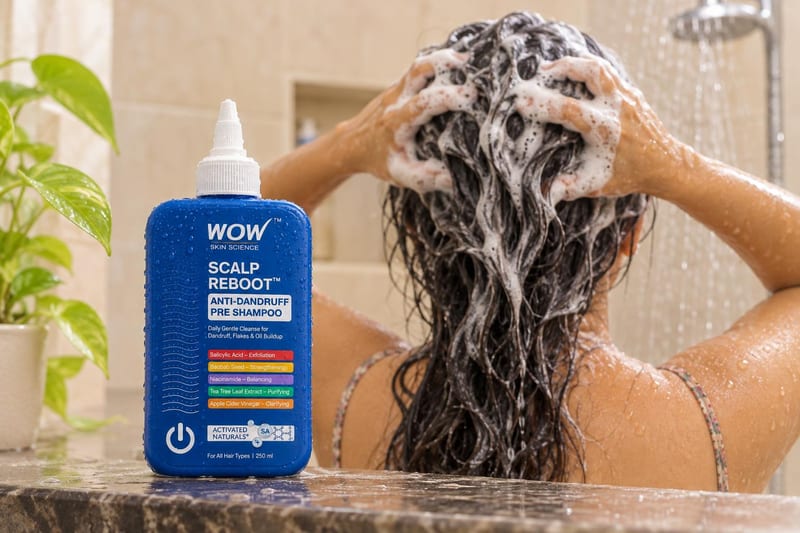
Shampoo Anti Dandruff: How to Choose the Right One in India
How to pick a shampoo anti dandruff formula by its active ingredient, use it with proper contact time, and build a simple routine that suits Indian weather.
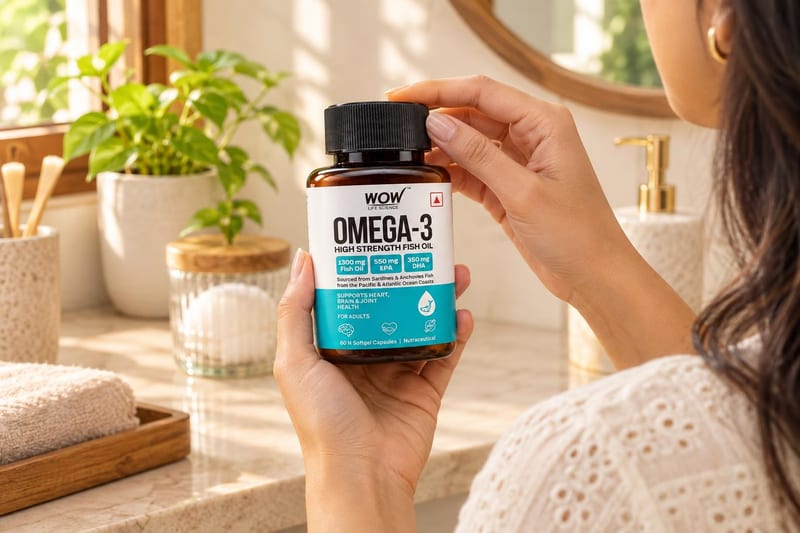
Omega-3 Types, Food Sources and Who Needs Supplements
Your body needs omega 3 fatty acids but can't make them. Learn about EPA, DHA, and ALA types, their unique health benefits, and how to get enough through diet or supplements.
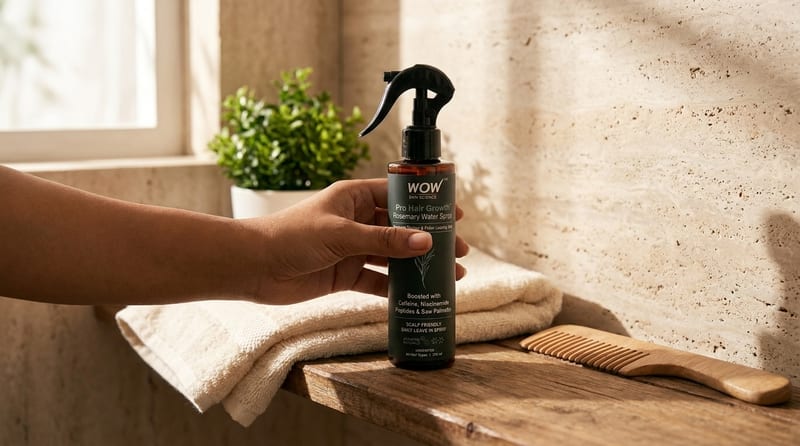
Does Biotin Shampoo Help Hair Growth or Just Breakage?
Biotin shampoo will not grow new hair on its own, but used well it can mean fewer snapped strands and fuller-looking hair. Here is the honest picture.