Toner for Face: 5 Best Types for Oily and Dry Skin
The best toner for face depends on your skin type. Here are 5 types, who each suits, and how to use them well.
G
Garima · WOW Editorial Team·6 min read·Updated 25 Nov 2026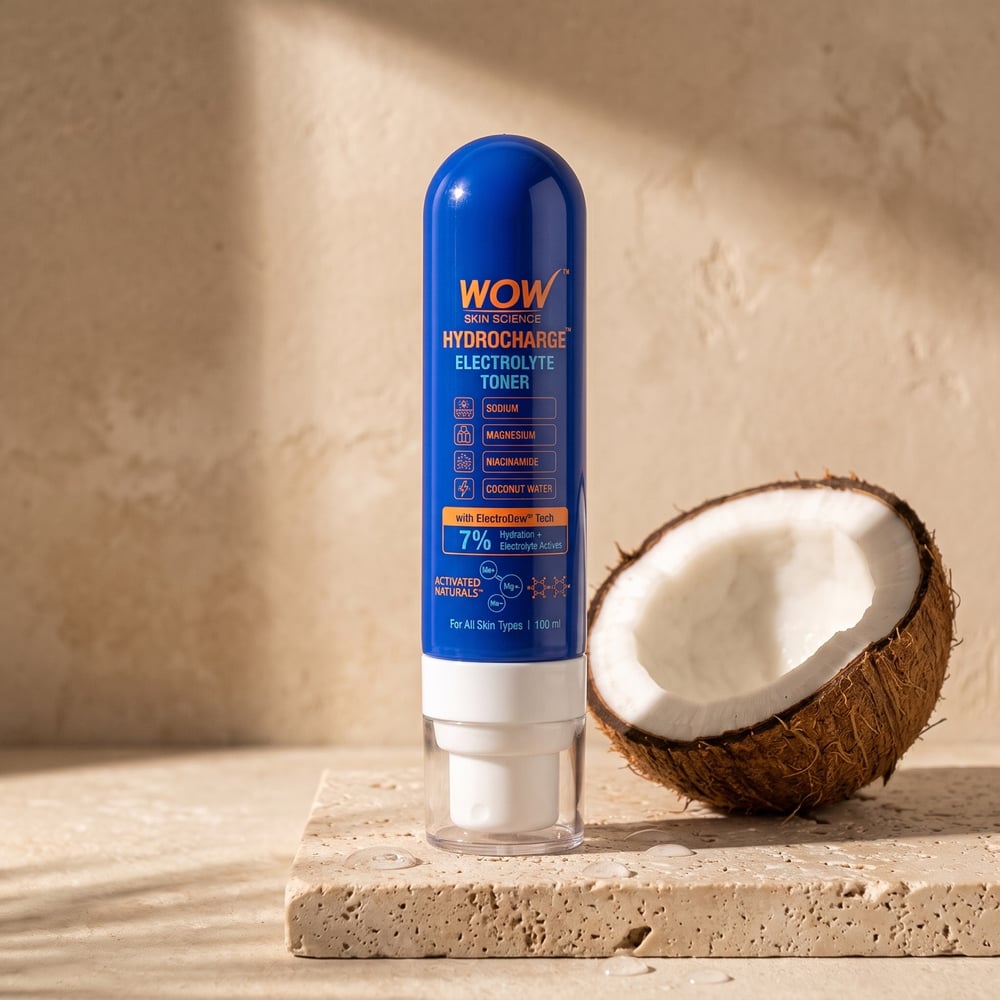

The best toner for face depends on your skin type. Here are 5 types, who each suits, and how to use them well.
IN SHORT
The right toner for face is the one that matches your skin type. Toners are watery liquids used after cleansing to add hydration, calm skin, or gently exfoliate, depending on the formula. They are not magic, and harsh old-style astringents can do more harm than good. This list breaks down the 5 main toner types, who each one suits, and what to check on the label, so you can choose with confidence this post-monsoon and festive season.
Hydrating toners are watery layers that add moisture right after cleansing, before serum or cream. They suit dry skin, and also oily skin that feels tight after washing, which usually means it is dehydrated rather than dry. Look for humectants such as glycerin, hyaluronic acid, aloe or coconut water, and avoid formulas with alcohol high on the ingredient list. Post-monsoon weather swings and festive late nights can leave skin dull and thirsty, so a hydrating toner pressed in twice a day helps skin feel soft and plump. Always follow with a moisturiser to seal it in.
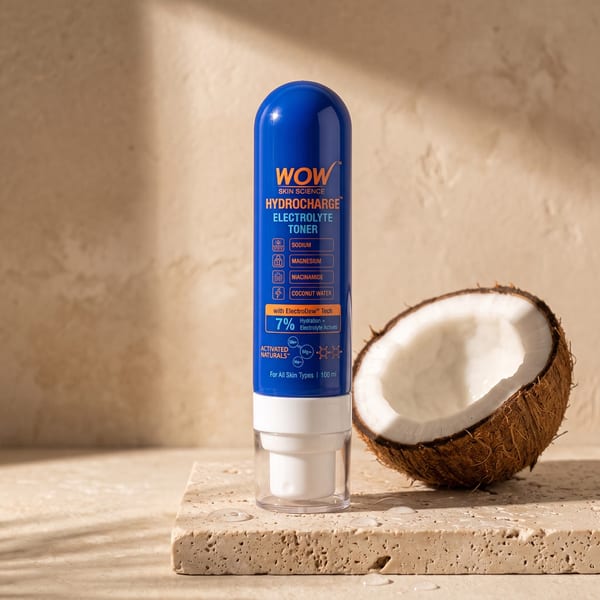
If your face turns shiny by noon, choose a light, alcohol-free toner instead of a harsh, stripping one. Strong alcohol makes skin feel squeaky clean at first, then can leave it tight and irritated. Gentle formulas with niacinamide, green tea or alcohol-free witch hazel help skin feel fresher and help reduce the look of shine. Oily skin still needs water, so a toner that hydrates without a heavy feel works well in humid cities. Use it after a gentle face wash, then follow with a gel moisturiser. It will not shrink pores, but skin can look smoother.
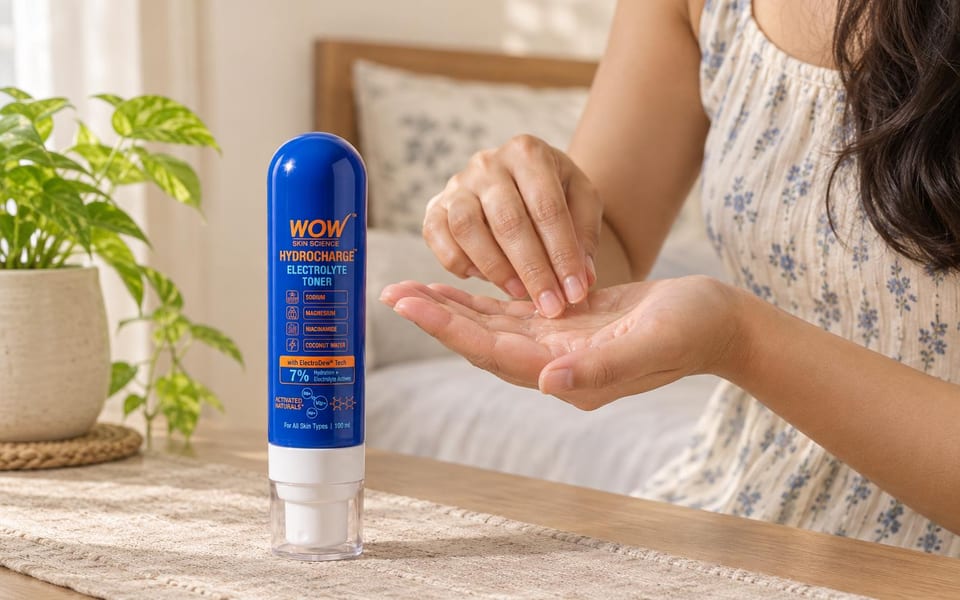
Much of your toner goes to waste on cotton pads. For hydrating toners, pour a few drops into clean palms and press gently over your face and neck while skin is still slightly damp from washing. Damp skin takes in water-based layers more easily. Use a cotton pad only for exfoliating toners, swiping outward and avoiding the eye area. Wait about 30 to 60 seconds, then apply serum and moisturiser. In hard-water cities, a hydrating toner also helps skin feel less tight after rinsing.
Exfoliating toners use acids such as glycolic or lactic acid (AHAs) or salicylic acid (BHA) to loosen dead skin cells. BHA works inside oily pores, so it suits skin prone to blackheads, while lactic acid is a gentler choice for normal to dry skin. Start two or three nights a week, never daily at first, and do not layer with retinol or other acids on the same night. Acids can make skin more sensitive to sun, so daily sunscreen is a must. If redness or stinging lasts, stop using it and consult a dermatologist.
Sensitive skin reacts quickly to fragrance, alcohol and strong acids, so a soothing toner keeps things simple. Look for calming ingredients such as aloe vera, centella, chamomile, oat or pure rose water, and choose fragrance-free formulas where possible. These toners add light hydration and help skin feel comfortable after cleansing, especially when festive makeup, dust and changing weather leave it feeling stressed. Patch test on your jawline for two days before using on the whole face. If your skin stays red, itchy or flaky, skip actives and check with a dermatologist before adding new products.
Brightening toners use ingredients such as niacinamide, vitamin C derivatives or licorice extract to help reduce the look of dullness and uneven tone. They are popular before weddings and festivals, but results build slowly, usually over several weeks of steady use, not overnight. Most can be used once or twice a day if your skin tolerates them well. Because sun exposure darkens marks, a brightening toner works best alongside daily sunscreen. Avoid pairing it with strong acid toners in the same routine at first, so you can tell what suits your skin.
QUICK PICKS
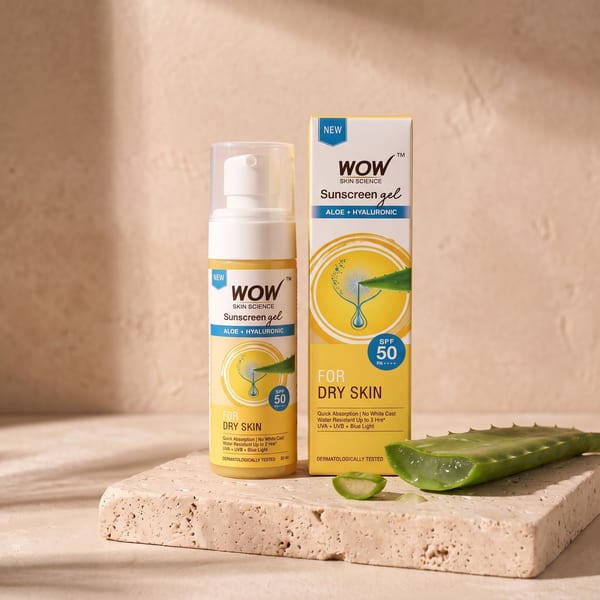
After the rains, the sun returns strong while humidity swings from day to day. A simple morning order keeps skin comfortable: gentle cleanse, toner, a light moisturiser, then sunscreen as the final step. Sunscreen matters even more if you use acid or brightening toners, since these can make skin more sensitive to sun. Use about two finger lengths for face and neck, and reapply every two to three hours outdoors. Before festive makeup, let sunscreen settle for a few minutes so foundation sits smoothly.
Toner is not essential, but it is a useful step. A good toner adds a light layer of hydration after cleansing and helps serums and moisturisers spread evenly. If your skin feels tight after washing, toner can help it feel comfortable.
For oily skin, pick a light, alcohol-free toner. Niacinamide or green tea formulas help skin feel fresh, while a salicylic acid toner used a few nights a week suits blackhead-prone skin. Avoid harsh, stripping formulas that leave skin tight.
Dry skin does best with a hydrating, alcohol-free toner containing humectants like glycerin, hyaluronic acid, aloe or coconut water. Press it into damp skin morning and night, then seal it with a nourishing moisturiser to hold the hydration in.
Was this guide helpful?
Your feedback helps us improve our next refresh.
This guide is for general information and isn't medical advice. For persistent concerns, see a dermatologist or doctor. Patch-test new products.
STILL UNSURE?
Find your 3-step routine in 60s
Get skincare and haircare guides from the WOW Editorial Team delivered to your inbox.
By subscribing you agree to receive emails from BuyWOW. Unsubscribe anytime.
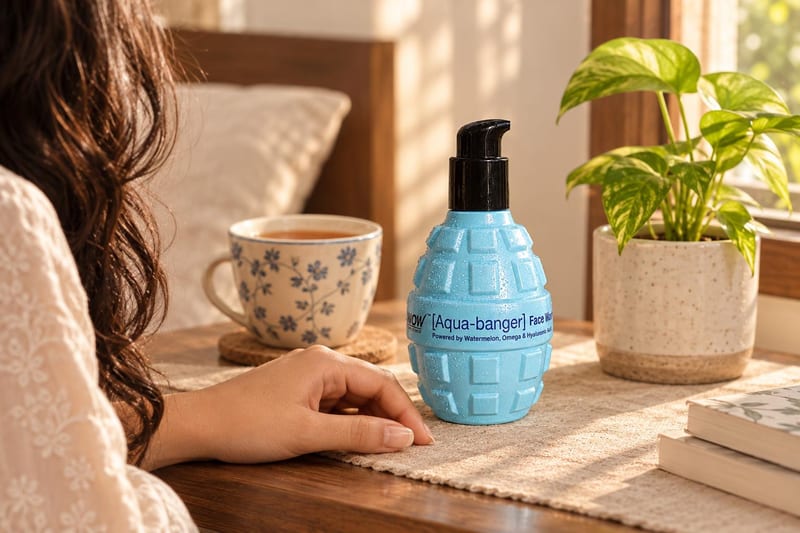
Your skin feels tight or turns oily by noon? The way you use your face wash may be the reason, and the fixes take under a minute.
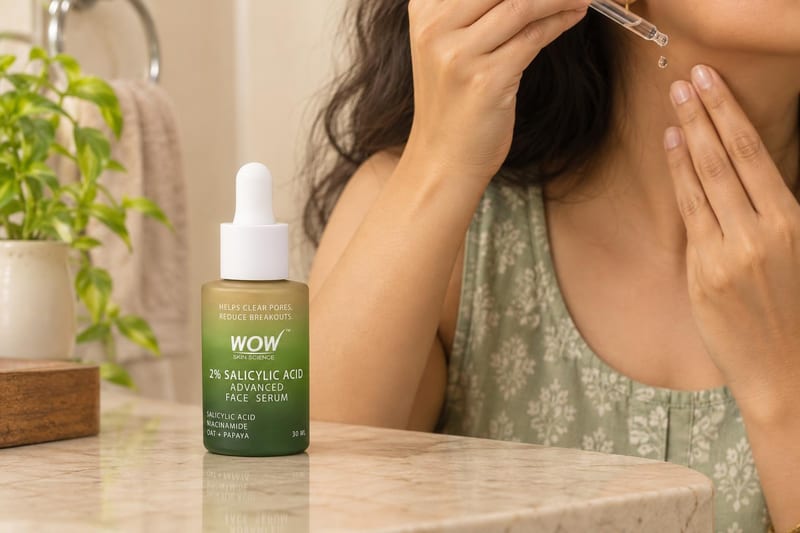
A face serum only works when its ingredient matches your skin, so here is how to pick one for oily, dry or dull skin and use it well.
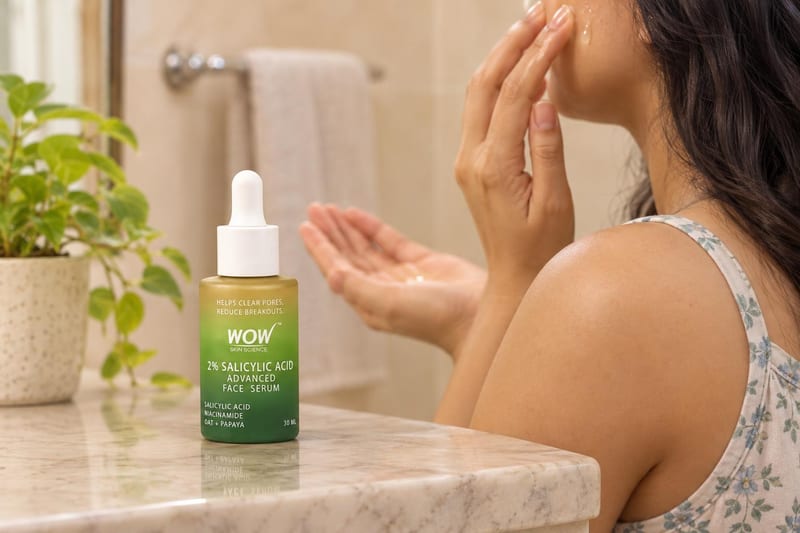
Skipping moisturiser can leave an oily face feeling tight and still shiny. Here is how to pick a light one that suits humid Indian weather.
Hydrating and soothing toners are gentle enough for twice-daily use. Exfoliating acid toners are stronger, so start with two or three nights a week. If you notice redness or stinging that lasts, stop and consult a dermatologist.
No toner can permanently change pore size, which is largely set by genetics. Toners with BHA or niacinamide can help clear excess oil and debris, so pores may look less noticeable and skin can look smoother over a few weeks.