Cream to Whiten Skin? 5 Smarter Ways to Brighten
No cream safely changes your natural skin tone. These 5 habits help reduce the look of tan, dark spots and dullness instead.
G
Garima · WOW Editorial Team·6 min read·Updated 28 Nov 2026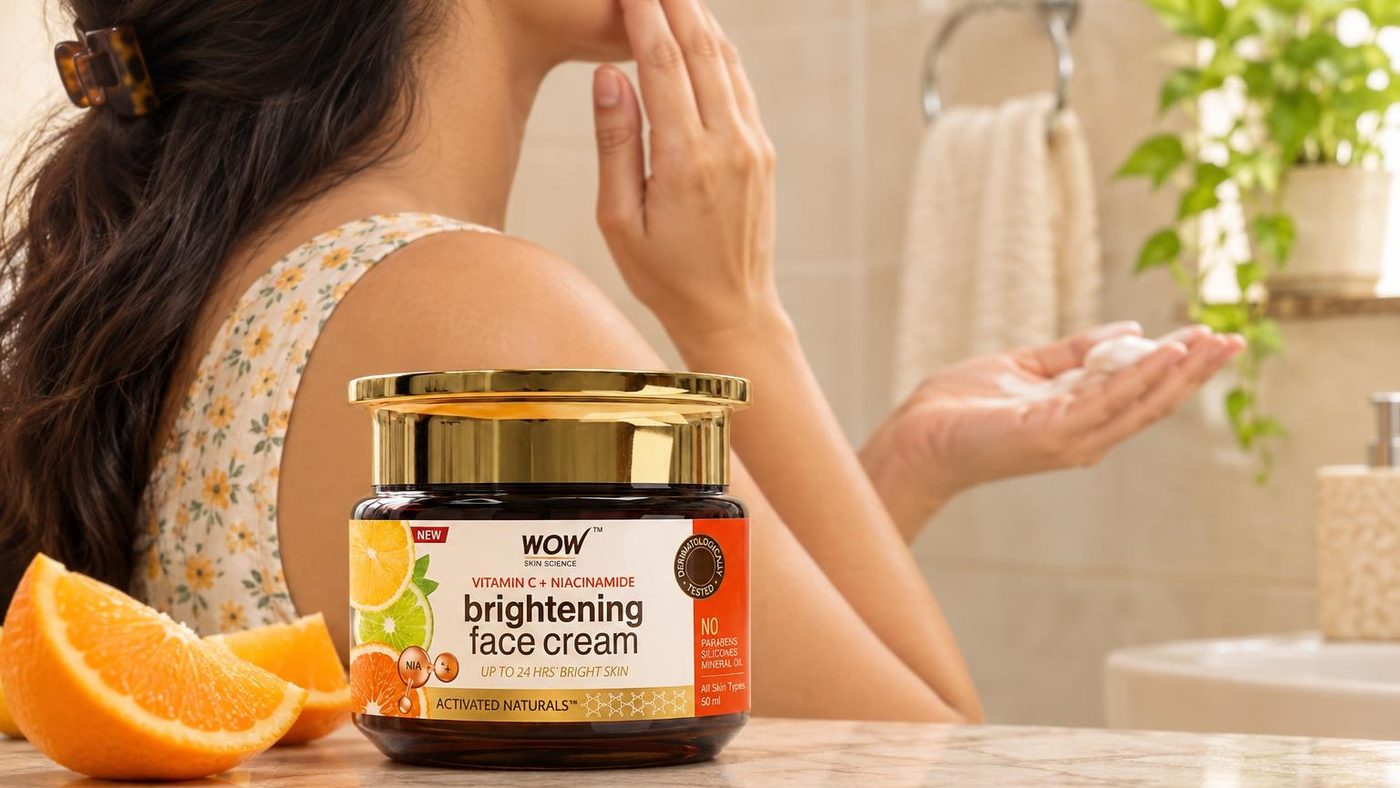

No cream safely changes your natural skin tone. These 5 habits help reduce the look of tan, dark spots and dullness instead.
IN SHORT
Searching for a cream to whiten skin? Here is the honest answer: no cream can safely change your natural colour, and it does not need changing. What a good routine can do is soften the look of tan, post-acne marks and post-monsoon dullness so your real tone looks even and bright. With festive season here, these five steps help your skin glow in photos and in person, without harsh shortcuts.
Brightening starts at the sink. Sweat, dust and pollution from Indian streets settle on skin and make it look grey and tired by evening. A creamy face wash cleans without leaving skin tight, which matters because over-dried skin often looks duller. Ubtan, a traditional Indian blend of turmeric, gram flour and herbs, has long been used for that fresh, glowing look before weddings and festivals. Wash twice a day with lukewarm water, never hot, and massage for about 60 seconds. Pat dry with a soft towel instead of rubbing, so you do not irritate skin or leave marks looking darker.

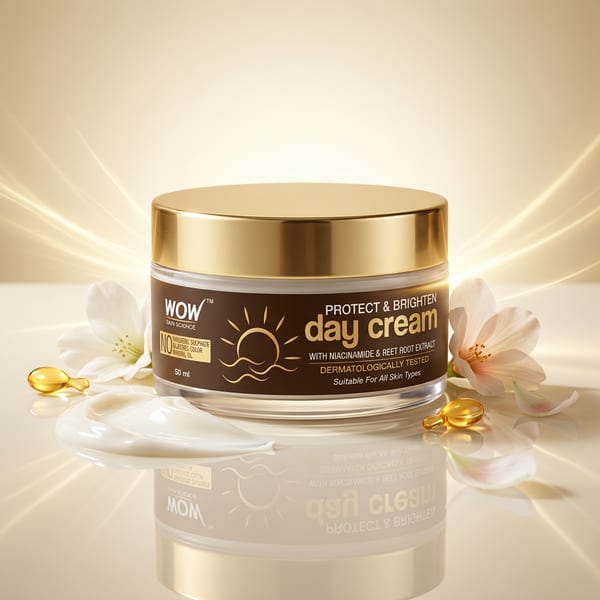
Niacinamide, a form of vitamin B3, is one of the best-known ingredients for a more even-looking complexion. It helps support the skin barrier and works gently, so it suits most skin types, including oily skin in humid weather. A light day cream with niacinamide and beetroot extract keeps skin moisturised without feeling heavy, and it sits well under sunscreen and festive makeup. Apply a pea-sized amount on clean, slightly damp skin, spreading it upward over the face and neck. Let it settle for a minute before sunscreen. Consistency matters more than quantity, so use it every single morning.

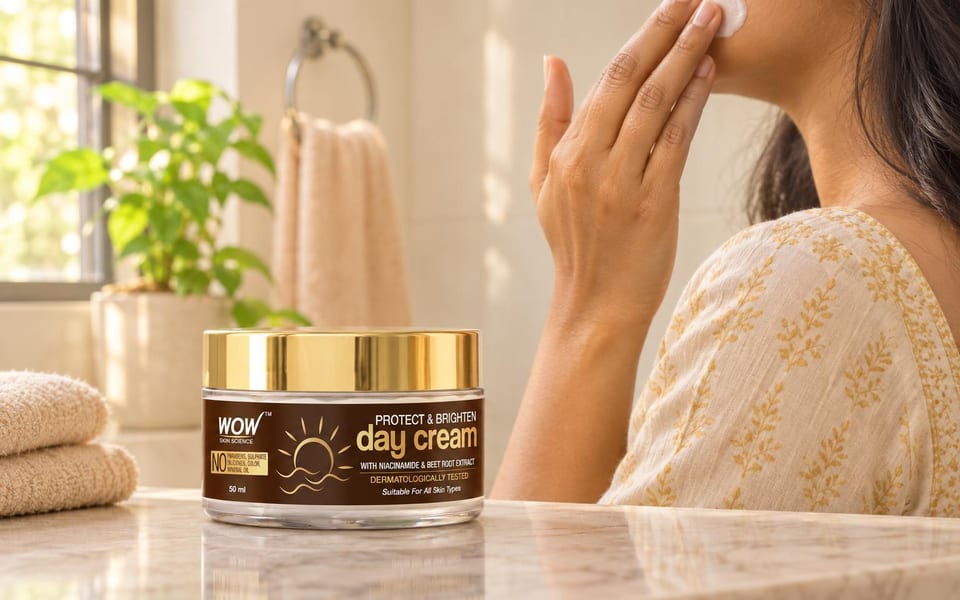
Your natural skin colour comes from melanin, and it is set by your genes. No cream can safely or lastingly change it, and products that promise fast 'whitening' may carry harsh ingredients. What most of us actually dislike is uneven tone: a tan line from the scooter ride, marks left by old pimples, or dullness after a humid monsoon. These sit on top of your real shade. A good routine helps them fade in look over weeks, so your own skin tone appears clearer, smoother and more radiant.
This is the step most people skip, and the one that matters most. UV rays deepen tan and make dark spots and old acne marks look more visible, which undoes the work of any brightening cream. The post-monsoon sun in India can be strong, even when it feels pleasant. Use a broad-spectrum sunscreen of SPF 30 or higher as the last step of your morning routine, about two finger-lengths for face and neck. Reapply every two to three hours when outdoors. Add a cap, dupatta or umbrella for longer festive shopping trips in the afternoon sun.

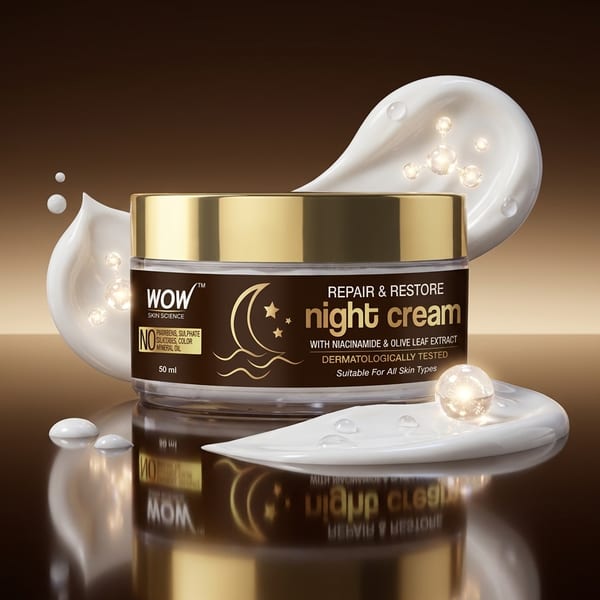
Night is when skin is away from sun and pollution, so it is a good window to nourish it. A night cream with niacinamide and olive leaf extract helps keep skin soft and supports a more even-looking tone over weeks. After festive parties, remove all makeup first, cleanse, then apply a pea-sized amount with gentle upward strokes. If you are in your thirties or beyond and also want firmer-looking skin, an anti-aging night cream is a good alternate pick. Avoid layering too many actives at once; one good night cream used daily works better than five products used occasionally.

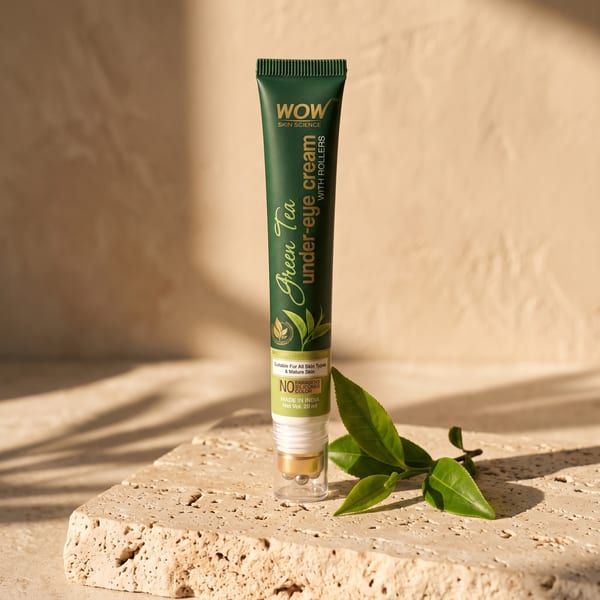
Dark circles often make the whole face look tired, even when the rest of your skin looks bright. The skin around the eyes is thin and delicate, so regular face creams can feel too heavy there. A light under-eye cream with green tea, applied with a cooling roller, helps the area look fresher and less puffy, especially after late festive nights. Use a tiny amount morning and night, gliding outward from the inner corner. Pair it with good sleep and water. If dark circles are deep, sudden or run in your family, consult a dermatologist for guidance.
QUICK PICKS
Post-monsoon weather in India swings between sticky afternoons and drier evenings, and festive late nights add makeup, sweets and little sleep. Night is when skin is calm and free from sun, so it is a smart time to nourish it. A niacinamide night cream helps keep skin moisturised and supports a more even-looking tone over time. Start two to three weeks before Diwali or a wedding, use a pea-sized amount on clean skin, and remove festive makeup fully before bed every single night.
No cream can safely or permanently change your natural skin colour, which is set by genes. Creams can help reduce the look of tan, dark spots and dullness, so your own skin tone appears more even and bright.
Most people need four to six weeks of daily use, along with sunscreen, to notice a more even-looking tone. Results vary by skin type, sun exposure and how consistently you follow your routine.
Niacinamide is a well-known, gentle ingredient that suits most skin types, including oily and sensitive skin. It helps support the skin barrier and a more even look. Always patch test first and consult a dermatologist if irritation appears.
Was this guide helpful?
Your feedback helps us improve our next refresh.
This guide is for general information and isn't medical advice. For persistent concerns, see a dermatologist or doctor. Patch-test new products.
STILL UNSURE?
Find your 3-step routine in 60s
Get skincare and haircare guides from the WOW Editorial Team delivered to your inbox.
By subscribing you agree to receive emails from BuyWOW. Unsubscribe anytime.
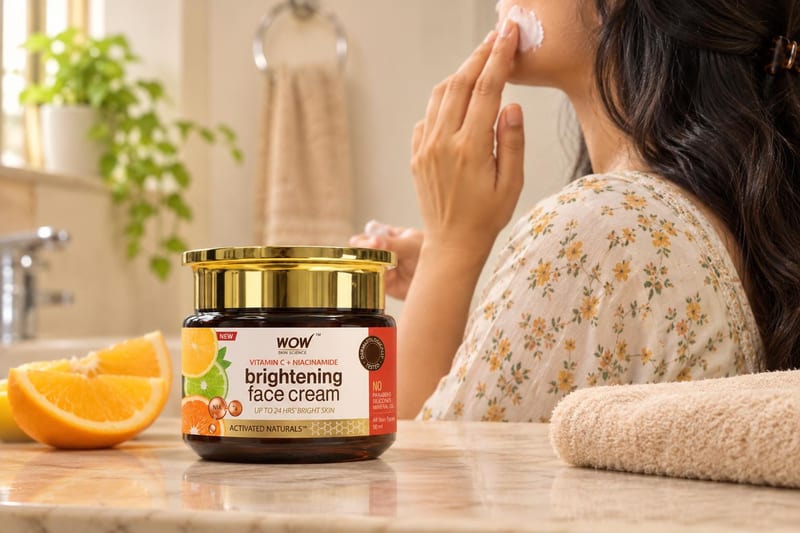
No cream changes your natural skin colour, but the right routine can make skin look even, clear and bright. Here are 7 practical ways to get there.

Skin feeling tight as the monsoon fades? Seven smart ways to use cold cream on face and body, and the one area it shouldn't go.
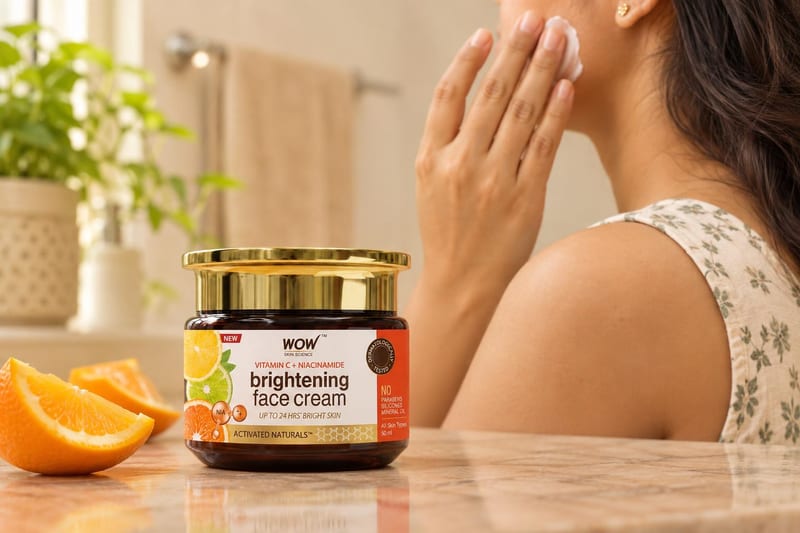
No cream can change your natural skin tone, but the right one helps fade the look of tan and dullness. Here are 5 smart picks.
It helps. A lighter day cream layers well under sunscreen and makeup, while a richer night cream nourishes skin while you sleep. Using both keeps skin moisturised through India’s changing post-monsoon weather.
See a dermatologist if patches spread quickly, itch, bleed, appear suddenly, or do not improve after a few months of good care. Some pigmentation needs medical assessment, which no cosmetic cream can replace.