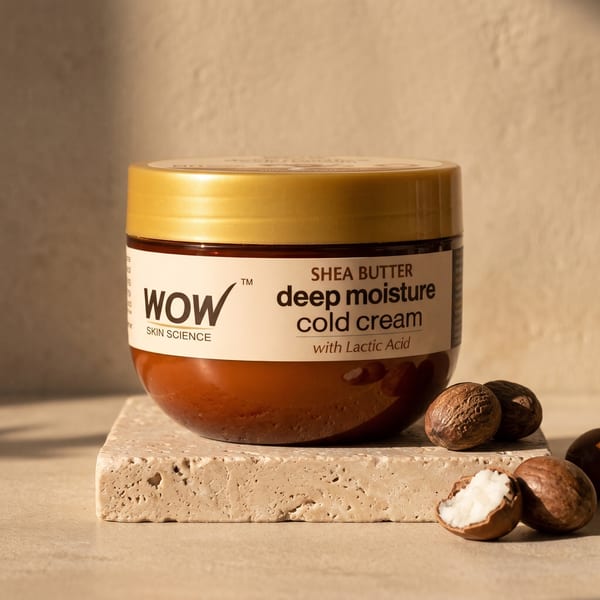
Cold cream is a rich, creamy moisturiser made from oils, butters and water that leaves a soft, protective layer on skin. It gets its 'cold' name from the cool feel as water evaporates on contact. As monsoon humidity fades and festive late nights begin, skin across India starts feeling tight and flaky. Here are seven practical ways to use cold cream for face and body, plus when to use less or skip it.
01
1. Seal in moisture at night on damp skin
Cold cream works best as the last step of your night routine. Wash your face with a gentle cleanser, pat it half-dry, and apply a pea-sized amount while skin is still slightly damp. The oils and butters form a soft layer that helps hold water in through the night. This matters now, as post-monsoon air turns drier and fans or ACs keep running. Warm the cream between your fingertips first so it spreads thinly and does not drag on skin. Wake up to a face that feels supple, not tight, and keep going as the weather cools.
Cold cream started out as a makeup remover, and it still does the job well. After a festive evening, massage a generous layer over dry skin for about a minute. The oils help loosen foundation, kajal and long-wear lipstick. Wipe it away with a soft cotton cloth dipped in lukewarm water, then follow with your regular face wash so no residue sits on skin. This two-step cleanse is kinder than scrubbing with harsh wipes, especially around the eyes. Keep a jar on your dressing table through Diwali and wedding season, when heavy makeup nights stack up.
Cold cream works mainly by sealing: its oils and butters sit on top of skin and slow down water loss. That means it can only hold in moisture that is already there. Applied on bone-dry skin, it can feel greasy and sit on the surface. Applied within a minute of washing or bathing, it locks in that water and spreads more easily. Shea butter adds a creamy, nourishing feel that suits cooler evenings. In hard-water homes, this step also helps skin feel less tight after a bath.
Pat, don't rub dry:leaves water for the cream to seal.
Warm a pea-size amount:thin layers spread and settle better than thick.
Press, then smooth:less tugging on delicate facial skin.
Riding a scooter or sitting by an open auto window exposes your face to wind and dust that strip moisture fast. A thin layer of cold cream in the morning acts like a cushion between skin and dry air. Keep it light: one small dot each on forehead, cheeks and chin, blended well. Let it settle for five minutes, then apply sunscreen on top, because cold cream does not protect from UV rays. Wash your face when you get home to remove the dust that tends to cling to richer textures.
Your face is not the only place that feels the season change. Elbows, knees, knuckles and heels have thicker skin and fewer oil glands, so they turn rough and ashy first. Hard-water baths can make this feel worse. After your bath, rub a little cold cream into these spots while skin is still damp. For dry, rough heels, apply a thicker layer at night and wear cotton socks to keep it in place. With steady use over a few days, these areas usually look smoother and feel softer to touch.
Changing weather often brings sniffles, and constant tissue use leaves the skin around your nostrils red and flaky. The corners of the mouth also dry out as temperatures dip. A tiny dab of cold cream on these spots before bed helps them feel comfortable again. Use a clean fingertip and only a little, since this skin is thin. Choose soft tissues and pat instead of rubbing. If you see deep cracks, bleeding or patches that do not settle within a week or two, consult a dermatologist rather than piling on more product.
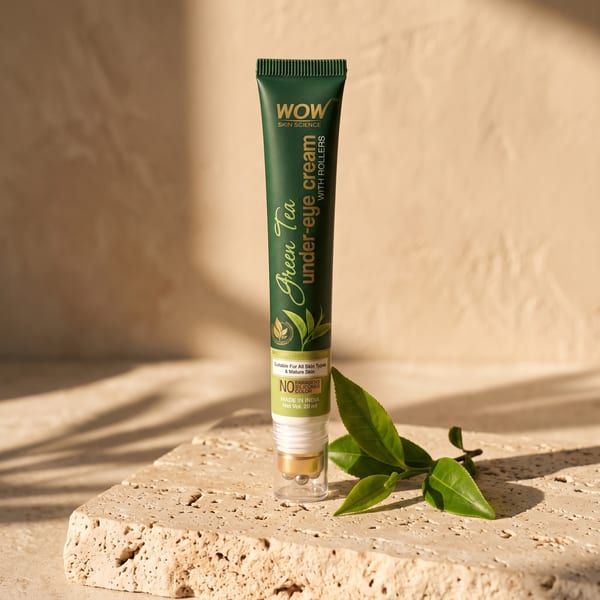
Cold cream is rich, and the skin under your eyes is the thinnest on your face. Heavy textures can feel greasy here and may migrate into the eyes, causing discomfort. A lightweight under-eye cream is a better fit, especially after festive late nights that leave the area looking tired. Apply a rice-grain amount with your ring finger, tapping gently from the inner corner outwards. A roller tip adds a cool, massaging feel. Use cold cream on the rest of your face and keep the two products separate.
Cold cream is not one-size-fits-all. If your skin is oily or prone to breakouts, a rich layer can feel heavy, especially in coastal cities like Mumbai, Chennai or Kolkata where humidity lingers after the monsoon. Try a pea-sized amount on dry cheeks only and leave the T-zone bare. Do a patch test on your jawline for two days before full use. If you notice new bumps, stop and switch to a lighter gel moisturiser. For ongoing acne or irritation, consult a dermatologist.
Best for: Oily, acne-prone skin
QUICK PICKS
Dry skinNight layer, damp skin
Under-eyesSeparate lightweight eye cream
Oily skinPea-size, cheeks only
Do this
✓Do: apply on damp skin to help seal in moisture better.
✓Do: patch test for two days before using on your whole face.
✓Do: layer sunscreen over it in the morning for daytime UV protection.
✓Do: close the lid tightly and use clean fingers to keep cream fresh.
Avoid this
✕Avoid:thick layers on oily T-zones; they can feel heavy and greasy.
✕Avoid:rubbing it into the eye area; choose a lighter under-eye cream.
✕Avoid:sleeping in makeup; massage cold cream and cleanse before bed instead.
✕Avoid:using it on broken or irritated skin; consult a dermatologist first.
NIGHT PAIRING
A simple two-cream night routine for festive weeks
Festive weeks mean late dinners, heavy makeup and less sleep, and your skin shows it. A short night routine helps. First, remove makeup and cleanse. Next, tap a lightweight under-eye cream along the orbital bone, since this area needs a gentler texture. Wait a minute for it to settle. Then apply cold cream on cheeks, forehead and neck, keeping it well away from the lash line. This order stops the rich cream from sliding into your eyes and lets each product do its own job.
Eye cream first:lighter textures go on before richer ones.
Keep cold cream off lids:avoids greasiness and eye irritation.
Sleep on cotton pillowcases:less friction on freshly moisturised skin.
Cold cream is a rich moisturiser made of oils, butters and water. It is used to soften dry skin, remove makeup before cleansing, and comfort rough areas like elbows, knees and heels, especially in drier months.
Can I use cold cream on my face every day?
Yes, if your skin is normal to dry. Use a pea-sized amount at night on damp skin. In the morning, keep it light and add sunscreen on top. Oily skin types may prefer it only on dry patches.
Is cold cream good for oily or acne-prone skin?
It can feel heavy on oily skin, especially in humid weather. Use a small amount on dry cheeks only, skip the T-zone, and patch test first. If breakouts increase, stop using it and consult a dermatologist.
Can I use cold cream in post-monsoon or humid weather?
Yes, but adjust the amount. As humidity drops after the monsoon, skin often feels tighter, and a thin night layer helps. On sticky, humid days, use less or apply it only on the dry areas of your face.
Can cold cream be applied under the eyes?
It is better to avoid rich cold cream on the delicate under-eye area, as it may feel greasy or move into the eyes. A lightweight under-eye cream applied with gentle tapping suits this thin skin better.