Day Cream: 7 Things to Know Before You Apply It
A day cream moisturises and preps skin for daylight. Pick a light texture for humid weather and always finish with sunscreen.
G
Garima · WOW Editorial Team·7 min read·Updated 27 Nov 2026

A day cream moisturises and preps skin for daylight. Pick a light texture for humid weather and always finish with sunscreen.
IN SHORT
A day cream is your morning moisturiser: light enough to sit under sunscreen and makeup, yet caring enough to keep skin soft through dust, sun and AC. Right now, post-monsoon humidity is fading into drier festive weather, so many of us need a cream that feels fresh at 10 am and still comfortable at 6 pm. Here are seven practical things to know before you choose and apply one.
Think of a day cream as the base layer of your morning. It adds moisture, helps skin feel smooth, and gives sunscreen and makeup an even surface to sit on. Good day creams are usually lighter than night creams because you wear them while moving around, sweating and touching your face. They should absorb in a minute or so without leaving a sticky film. If your current cream makes your T-zone shiny by noon, the texture is probably too heavy for your skin type or the season, not necessarily the wrong product category.

Day creams are built to feel light and work well under other layers. Night creams are often richer, because skin is not exposed to sun, dust or makeup while you sleep, and a thicker texture has hours to settle. Using a heavy night cream in the morning can make sunscreen pill or slide off. Using only a light day cream at night may leave dry skin wanting more. Keeping both gives you a simple rhythm: light in the morning, more nourishing at night, especially as festive-season late nights add up.

Most people use too much day cream and then blame the formula. On humid post-monsoon mornings, a pea-size amount is usually enough for the whole face. Warm it between your fingertips, dot it on the forehead, cheeks, nose and chin, then press and spread in light upward strokes. Applying on slightly damp skin helps it spread thinner and lock in water. Give it about a minute to settle before sunscreen or makeup, so layers do not pill or slide around.
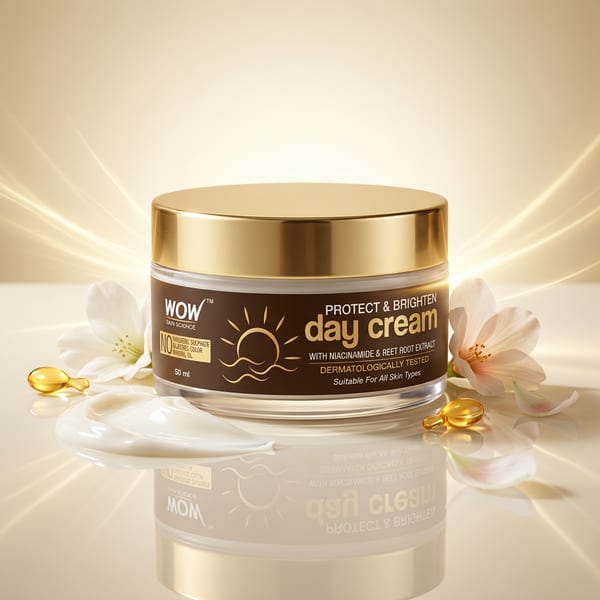
Texture matters more than the long list of claims on the front of a pack. Oily and combination skin usually likes gel-creams or light lotions, especially on humid post-monsoon days. Normal skin can handle a soft cream. Dry skin, or skin that spends hours in AC offices, may need a slightly richer cream as the weather turns drier towards winter. A quick test: after one minute, your face should feel soft, not tacky. If you can still see a white layer or feel stickiness, use less or switch to a lighter formula.
Read the back of the pack. Niacinamide is a well-known skincare ingredient that helps skin look more even and supports the skin barrier, and it is generally gentle enough for daily use. Botanical extracts such as beetroot add antioxidant care. Humectants like glycerin draw water into the upper layers of skin, keeping it supple. Labels like '10 in 1' simply mean many benefits are being claimed; the ingredient list tells you what is really there. If you have very sensitive skin, patch test any new cream for a couple of days first.
Day cream works best on a fresh canvas. Overnight sweat, oil and leftover night cream can make your morning layer feel heavy. Wash with a gentle, non-stripping face wash and lukewarm water, which is kinder to skin in areas with hard water. Pat dry with a clean towel but leave skin a little damp. Then apply your day cream within a minute. This simple habit helps the cream spread thinner, so you need less product and your face feels lighter through humid afternoons and long festive shopping days.

Unless your day cream clearly lists an SPF on the pack, it does not protect you from UV rays. Indian sun stays strong even in post-monsoon months and on cloudy days, so finish your routine with a broad-spectrum sunscreen of SPF 30 or higher. Apply day cream first, wait about a minute, then sunscreen, then makeup if you wear it. Reapply sunscreen if you are outdoors for long hours. A day cream keeps skin comfortable; sunscreen does the sun-protection job. Together they make a reliable everyday pair.
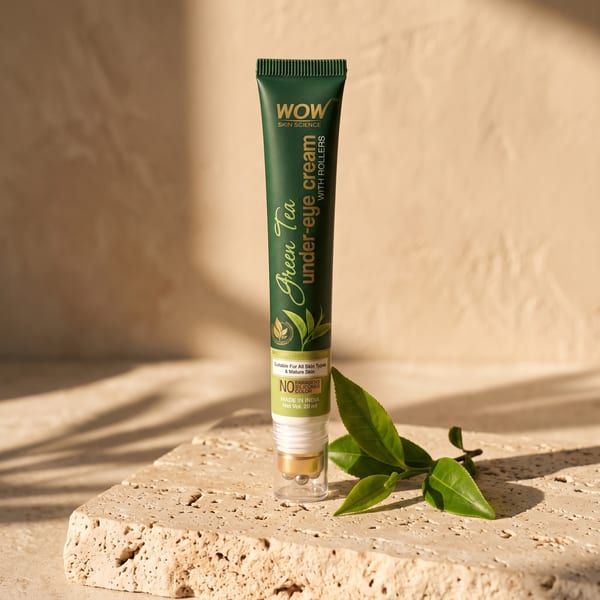
The skin around your eyes is thinner and often looks tired first, especially after festive late nights and screen-heavy days. Regular face creams can feel too heavy there or migrate into the eyes. A light under-eye cream, gently tapped with your ring finger, is a better match. Apply it before your day cream so each product stays in its zone. A cool roller tip can feel refreshing in the morning. Keep expectations realistic: eye creams help the area look more cared for and hydrated over regular use.
QUICK PICKS
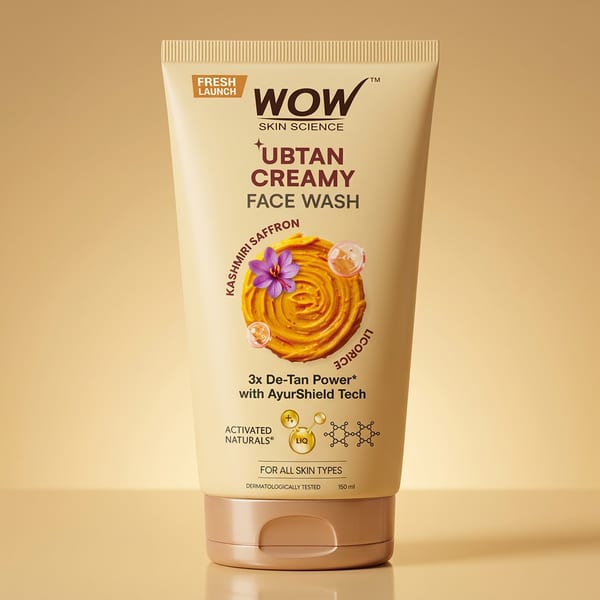
Overnight, skin collects sweat, leftover night cream and dust from fans and open windows. Applying day cream over that layer can feel heavy and uneven. A gentle, creamy face wash clears it away without leaving skin tight, which matters during festive weeks when late nights, makeup and changing weather already stress your face. Rinse with lukewarm water, not hot, especially if your area has hard water. Pat dry with a clean towel, leaving skin slightly damp, and move straight to your day cream.
A day cream moisturises skin, helps keep it soft through the day and creates a smooth base for sunscreen and makeup. It is usually lighter than a night cream so it does not feel heavy or shiny.
A '10 in 1' day cream is a marketing label for a formula claiming many benefits, such as moisturising, brightening and smoothing. Read the ingredient list to see what it really contains, and still use sunscreen unless SPF is listed.
You can, since it moisturises skin either way. But night creams are often richer and made for longer contact while you sleep, so a dedicated night cream may suit dry or tired skin better.
Was this guide helpful?
Your feedback helps us improve our next refresh.
This guide is for general information and isn't medical advice. For persistent concerns, see a dermatologist or doctor. Patch-test new products.
STILL UNSURE?
Find your 3-step routine in 60s
Get skincare and haircare guides from the WOW Editorial Team delivered to your inbox.
By subscribing you agree to receive emails from BuyWOW. Unsubscribe anytime.
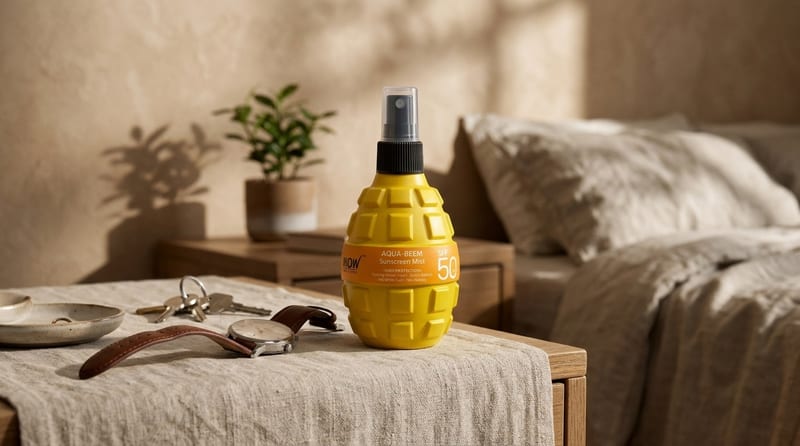
The best sun cream for men is SPF 30+, PA+++ and light enough to wear daily. Here are 7 checks for Indian sun, sweat and beards.
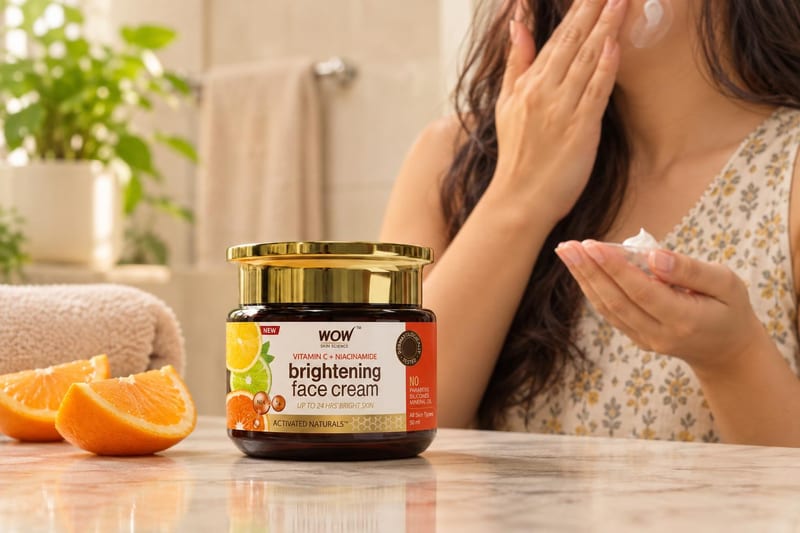
Lotion or cream? Vitamin C or simple moisture? Seven quick checks to pick a face cream that suits your skin this festive season.
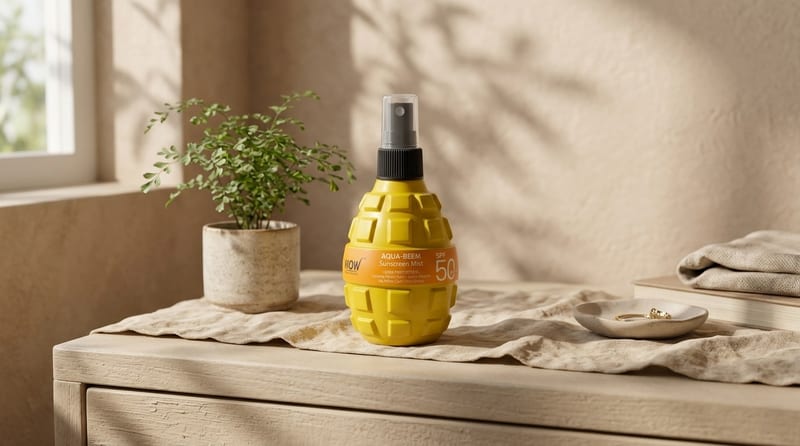
SPF, PA rating, texture and the two-finger rule: seven simple tips to pick and use a sun cream that suits your skin this festive season.
Yes, unless your day cream clearly states an SPF on the pack. Most moisturisers do not protect from UV, so apply a broad-spectrum sunscreen of SPF 30 or higher after your cream every morning.
Yes. Oily skin still needs moisture. Choose a light, non-sticky cream, use a pea-size amount, and skip extra layers on very humid days. If you have acne concerns, consult a dermatologist.