Best Face Cream for Your Skin: 7 Things to Check
The best face cream matches your skin type, the weather and your goal. Use these seven checks to choose and use it well.
G
Garima · WOW Editorial Team·7 min read·Updated 26 Nov 2026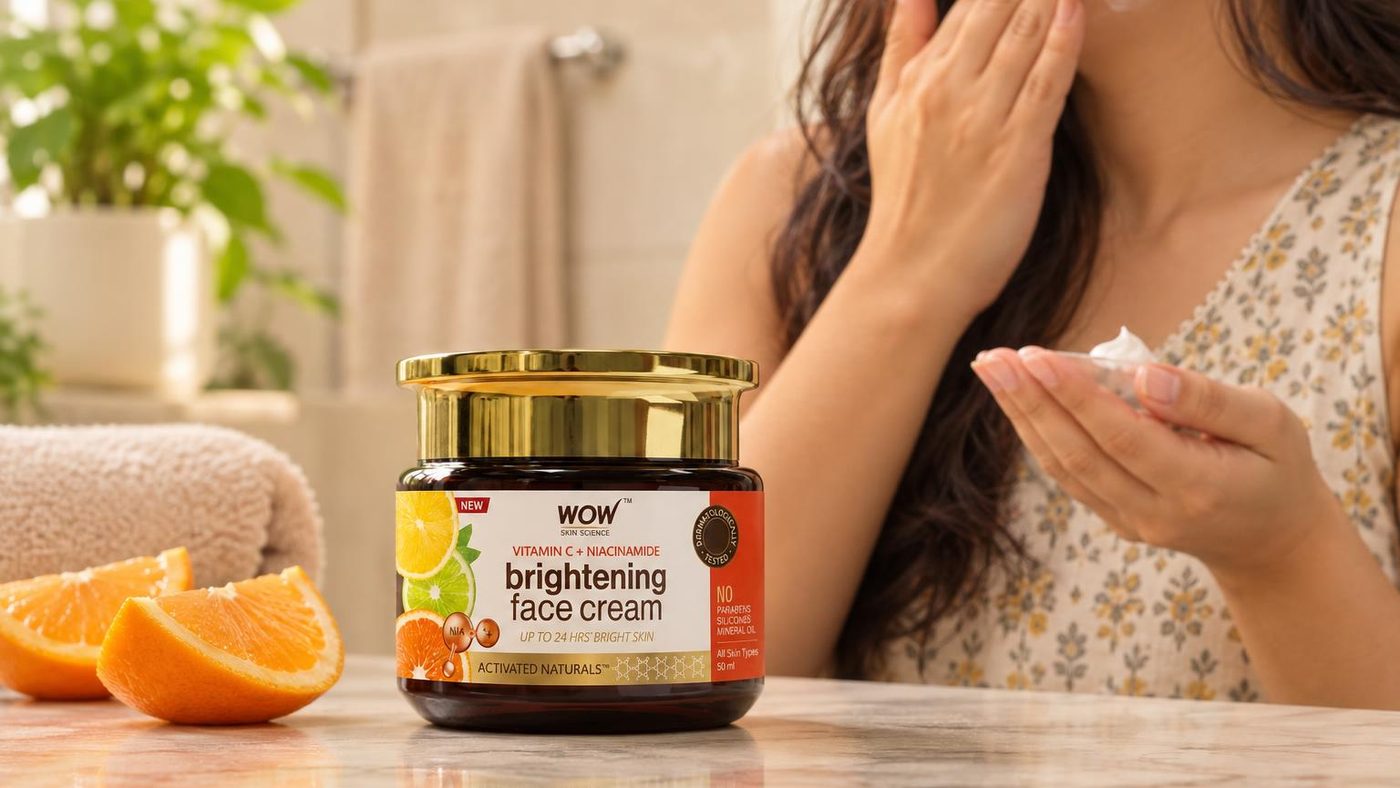

The best face cream matches your skin type, the weather and your goal. Use these seven checks to choose and use it well.
IN SHORT
A good face cream does two jobs: it adds moisture and helps hold it in. The right one depends on your skin type, the weather, and what you want it to do, from simple hydration to a brighter-looking tone. With post-monsoon humidity dropping and festive late nights starting, this is a smart time to review your cream. Here are seven quick checks that make choosing easier.
Texture matters more than most labels. Lotions and gel-creams carry more water and spread thin, so they suit oily or combination skin and sticky, humid days. Richer creams hold more oils and butters, which helps dry or normal-to-dry skin stay soft longer. A quick test: if your face looks shiny within an hour, go lighter. If it feels tight by mid-afternoon, go richer. Many people in India use a lighter lotion in the day and a thicker cream at night, which works well as the weather shifts after the monsoon.

A moisturizing face cream works best with three types of ingredients together. Humectants like glycerin and hyaluronic acid pull water into the skin. Emollients like shea butter and plant oils smooth rough patches. Occlusives form a light layer that slows water loss. You do not need to memorise names; just see that at least one of each type appears near the top of the list. If a cream is all actives and no moisture, it may leave skin feeling dry, especially once the air cools down in October and November.
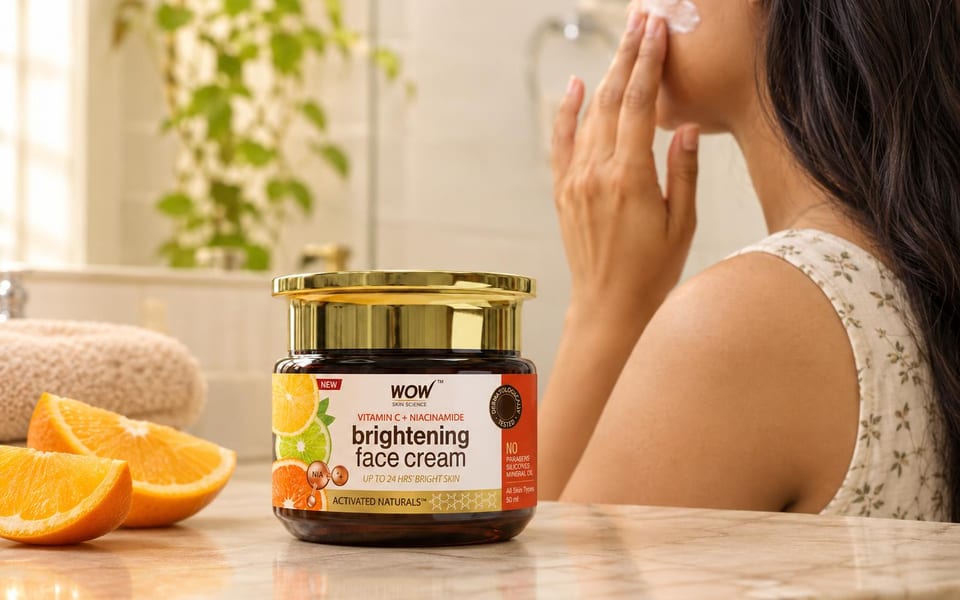
Most people use a good face cream the wrong way: on dry skin, rubbed hard, and in too large a dose. Cream works best on skin that is still slightly damp after washing, because it helps lock that water in. Dot a pea-size amount on the forehead, cheeks, nose and chin, then spread with upward, gentle strokes. Do not forget the neck, which dries out just as fast. In post-monsoon weather, apply within a minute of patting your face dry.
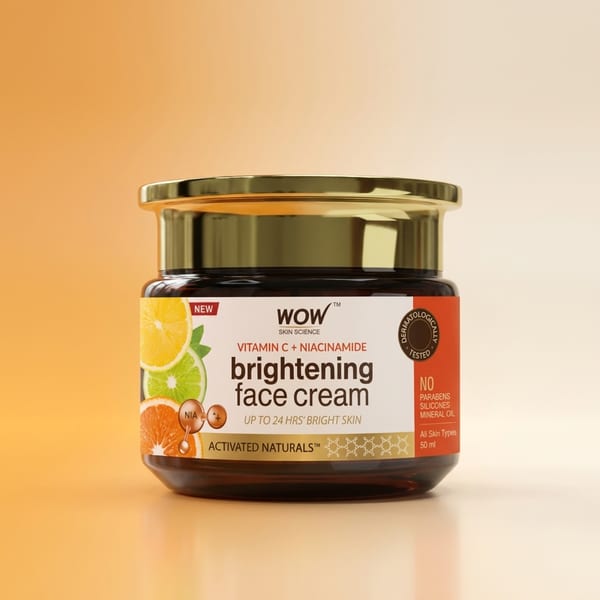
If your skin looks tired or patchy, a vitamin C face cream is a popular choice. Vitamin C is an antioxidant that helps brighten the look of dull skin, and niacinamide helps even out the look of tone and supports the skin barrier. Together in one cream, they give you moisture and a brightening step in a single layer, which suits busy mornings. Use it on clean skin and follow with sunscreen in the day. Expect gradual changes over several weeks, not overnight results.
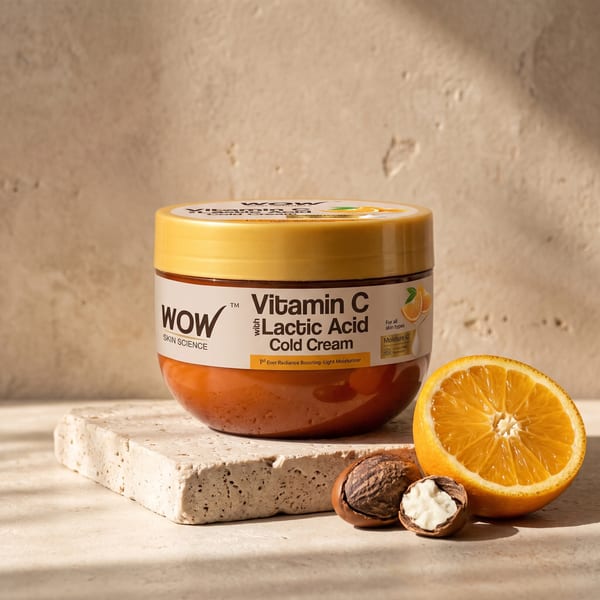
Post-monsoon and early winter can leave cheeks rough and flaky. A cold cream with lactic acid helps here. Lactic acid is a mild alpha hydroxy acid that gently loosens dull surface cells, while the rich cold-cream base cushions and moisturises. This makes it a comfortable night cream for normal to dry skin. Use it a few nights a week at first and see how your skin responds. Skip other strong exfoliants on the same night, and always wear sunscreen the next morning.
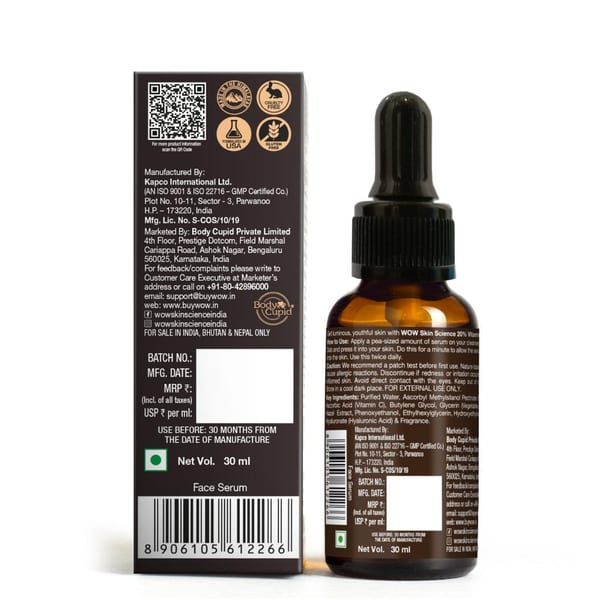
A cream is mainly for moisture; a serum is for focus. Serums are thinner, so they go on first, right after cleansing. If you want extra help with the look of dark spots or dullness before a festive event, a vitamin C serum under your face cream is a simple upgrade. Use two to three drops, let it settle for a minute, then apply cream. Keep the bottle capped and away from sunlight so it stays fresh. Sensitive skin can start every other day.
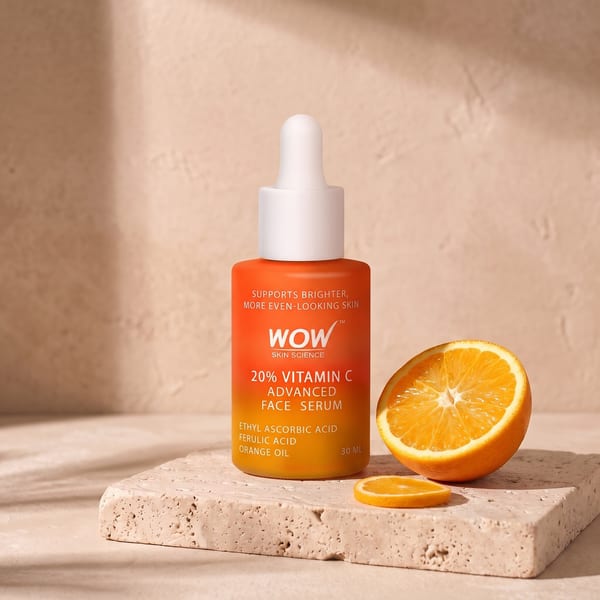
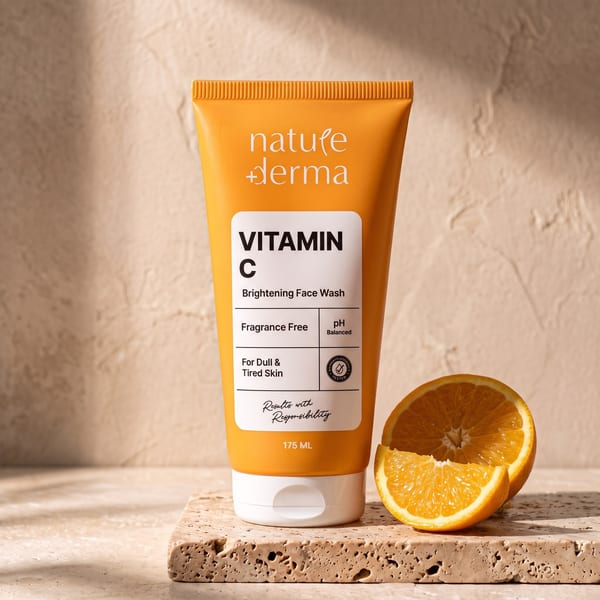
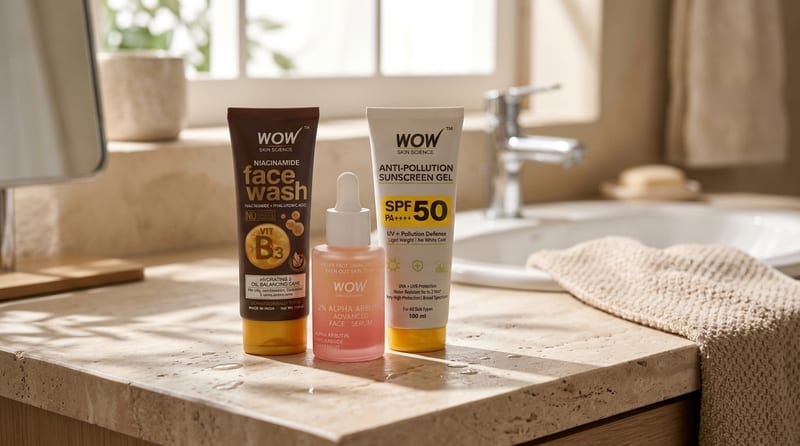
Even the best face cream struggles on skin covered in sweat, dust and leftover makeup. Wash your face morning and night with a mild cleanser, using lukewarm water rather than hot. In cities with hard water, a gentle face wash and a quick splash of clean water help skin feel less tight. A vitamin C face wash fits neatly before a vitamin C cream for a simple, matched routine. Pat dry with a soft towel, leaving skin slightly damp before you apply cream.
October sun in India can still be strong, and UV exposure is one of the main reasons spots and uneven tone look darker. Unless your face cream clearly states an SPF, it does not protect you from the sun. Apply a broad-spectrum sunscreen of SPF 30 or higher as the last morning step, after your cream has settled. Use about two finger-lengths for face and neck, and reapply if you are outdoors for long hours, whether shopping, travelling or attending festive gatherings.
QUICK PICKS
If dark spots or a patchy, dull tone is your main worry, a face cream alone works slowly. A vitamin C serum applied first places the active close to the skin, and the cream on top keeps everything moisturised. Use two or three drops on clean skin, wait a minute, then follow with cream. Start every other day if your skin is sensitive. Sun exposure makes marks look darker, so sunscreen is not optional. For stubborn patches or melasma, consult a dermatologist.
A lotion has more water and feels lighter, so it suits oily or combination skin and humid days. A face cream has more oils and butters, which gives longer-lasting moisture for normal to dry skin.
Yes, most vitamin C face creams are made for daily use, morning or night. If your skin is sensitive, start on alternate days and patch test first. In the daytime, always follow it with sunscreen.
Skin type matters more than age or gender. Choose a light, moisturising cream for oily skin and a richer one for dry skin. Add brightening ingredients like vitamin C or niacinamide if dullness is a concern.
Was this guide helpful?
Your feedback helps us improve our next refresh.
This guide is for general information and isn't medical advice. For persistent concerns, see a dermatologist or doctor. Patch-test new products.
STILL UNSURE?
Find your 3-step routine in 60s
Get skincare and haircare guides from the WOW Editorial Team delivered to your inbox.
By subscribing you agree to receive emails from BuyWOW. Unsubscribe anytime.
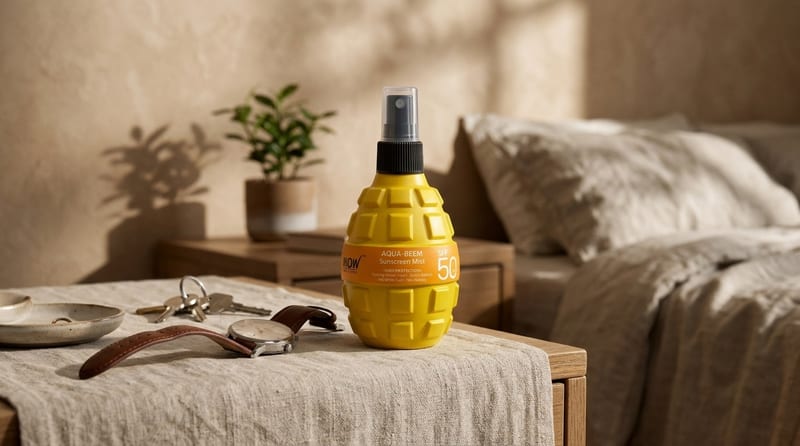
The best sun cream for men is SPF 30+, PA+++ and light enough to wear daily. Here are 7 checks for Indian sun, sweat and beards.

Skin feeling tight as the monsoon fades? Seven smart ways to use cold cream on face and body, and the one area it shouldn't go.
Those dark spots left by pimples and sun can fade, but only if you pick the right ingredients and wear sunscreen every single day.
Creams with vitamin C and niacinamide can help reduce the look of dark spots and uneven tone with regular use. Daily sunscreen is essential. For melasma or deep patches, consult a dermatologist for proper advice.
A good face cream leaves skin soft, not greasy or tight, a few hours after applying. It should not cause stinging, redness or new breakouts. Give it two to three weeks before judging results.