
Moisturiser for Oily Skin: How to Choose and Use One
Oily skin still needs moisture. Here is how to pick a light, non-greasy moisturiser for oily skin, what to use at night, and how to fit it into a simple routine.
Garima
WOW Editorial Team
TITLE: Moisturiser for Oily Skin: How to Choose and Use One
The right moisturiser for oily skin is light and water-based, often a gel or gel-cream, with humectants like glycerin or hyaluronic acid and no heavy oils or butters. Use a thin layer morning and night on clean skin. Skipping moisturiser does not make your face less oily. It can leave skin feeling tight and dehydrated while the shine stays.
This guide covers why oily skin needs moisture, what to look for on the label, and how to choose a day and night option. It also explains how to layer moisturiser with actives like salicylic acid without overloading your skin.
Why oily skin still needs a moisturiser
Oil and water are not the same thing. Sebum is the oil your skin makes to protect itself. Hydration is the water content in the outer layer of skin. You can have plenty of one and too little of the other. That is why so many people with oily skin notice flaky patches, tightness after washing, or a shiny T-zone with dull cheeks.
In India, a few habits make this worse:
Over-washing in humid weather, sometimes three or four times a day, with harsh foaming cleansers.
Strong actives such as salicylic acid, benzoyl peroxide or retinoids, which can dry the skin out.
Air-conditioned rooms that pull moisture from the skin for hours.
Sun exposure, which can leave skin feeling rough and depleted.
A suitable moisturiser helps keep the skin barrier comfortable and hydrated. A comfortable barrier is less likely to feel irritated, tight or sensitive. Many people find their skin feels more balanced once they stop stripping it and start moisturising it lightly.
What to look for in a moisturiser for oily skin
The aim is hydration without heaviness. Read the texture, the ingredient list and the claims on the pack. Ignore the marketing words that do not tell you much.
Texture
Gel: The lightest option. It feels watery, sinks in fast and suits humid summers and very oily skin.
Gel-cream: A little more cushion than a gel and still non-greasy. It is a good all-year choice for oily and combination skin.
Lotion: Thin and fluid. It works for oily skin in drier months or air-conditioned offices.
Rich cream: Usually too heavy for oily skin during the day. Some people use a small amount on dry patches in winter.
Helpful ingredients
Glycerin and hyaluronic acid: Humectants that draw water into the skin without adding oil.
Niacinamide: Widely used in products for oily skin. It helps the skin look more even and less shiny.
Ceramides: Support the skin barrier, especially if you use drying actives.
Aloe vera and panthenol: Soothing and lightweight.
Light emollients: Squalane or light silicones can make a formula feel smooth without greasiness.
Ingredients to approach with care
Heavy oils and butters: Coconut oil, cocoa butter and shea butter feel rich and can feel heavy on oily, acne-prone skin. Not everyone reacts to them, but they are worth avoiding if you break out easily.
Strong fragrance: It can irritate sensitive skin. If your skin reacts easily, choose fragrance-free or lightly scented formulas.
High-alcohol formulas: They give a quick matte feel but can leave skin drier over time.
Look for "non-comedogenic" or "oil-free" on the label. These terms are not a guarantee, because every skin reacts differently. They do show the product was designed with congestion-prone skin in mind.
Best moisturiser for oily skin: how to choose for your skin
No single product is best for everyone. The best moisturiser for oily skin is the one that suits your skin, your climate and your routine, and that you will actually use every day. Find your situation below.
Very oily, shiny all day
Choose a gel or water-based moisturiser with humectants and possibly niacinamide. Apply a pea-sized amount. More product does not mean more hydration.
Oily and acne-prone
Look for oil-free, non-comedogenic formulas with soothing ingredients. If you use a salicylic acid serum or another active, your moisturiser should be simple and calming. If you have persistent or painful acne, consult a dermatologist. They can advise on treatment, and a moisturiser is not a substitute for it.
Combination skin
Use a gel-cream all over. If your cheeks feel dry, add a second thin layer there only. Some people keep a gel for the T-zone and a slightly richer lotion for the cheeks.
Oily but dehydrated
This skin is shiny yet tight, sometimes with fine flaky bits. It does well with hyaluronic acid or glycerin plus ceramides. Gentle cleansing matters as much as the moisturiser itself.
If you want a light everyday option, the WOW Skin Science Aqua Sphere Moisturiser is worth a look. Check the ingredient list and texture against the points above to see if it suits you. You can also browse the full moisturiser range and compare textures and ingredients.
Best night moisturiser for oily skin
At night your skin is not dealing with sun, sweat or pollution. That makes it a good time to focus on barrier support. Oily skin still does not need a thick night cream.
What works well at night:
The same light moisturiser you use in the day. This is perfectly fine and keeps things simple.
A gel-cream with ceramides or panthenol, if your actives leave you feeling dry.
A sleeping-mask style gel, used a couple of times a week if your skin feels dehydrated.
If you use exfoliating acids or retinol at night, moisturiser becomes more important. It helps keep your skin comfortable while it gets used to these ingredients. Some people apply moisturiser before a retinoid to cushion it, a method often called buffering. Others apply it after. Both are common approaches. Go with whatever your skin tolerates.
What to skip at night: heavy face oils and rich balms, unless a specific dry patch needs them.
How to use moisturiser in an oily skin routine
Keep the routine short. Oily skin often feels better with fewer, well-chosen steps.
Morning
Cleanse with a gentle face wash. Use lukewarm water, not hot.
Treat (optional). Apply a light serum such as niacinamide or vitamin C if you use one.
Moisturise with a pea-sized amount. Dot it on the forehead, cheeks and chin, then spread it thinly.
Protect with a broad-spectrum sunscreen. Choose a gel or matte-finish formula for oily skin. Sunscreen is not optional, even indoors near windows.
Evening
Cleanse. Double cleanse if you wore sunscreen or makeup.
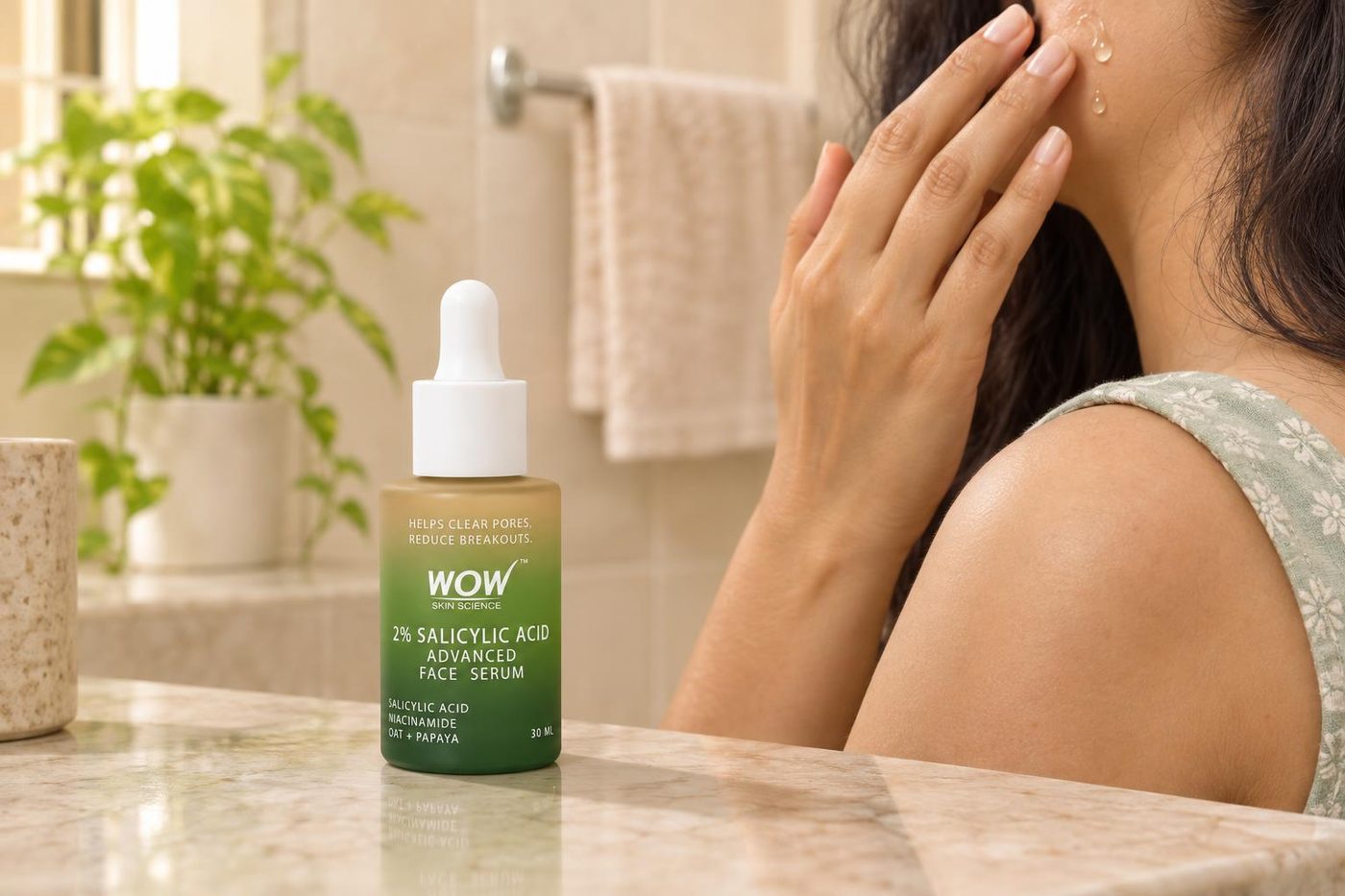
Treat. This is where actives go. A WOW Skin Science Advanced 2% Salicylic Acid Face Serum can help clean out pores and reduce the look of oiliness on congestion-prone skin. Start two or three nights a week and build up slowly.
Moisturise. Apply a thin layer once the serum has absorbed.
If you want to keep actives out of your serum step, a cleanser containing them is a gentler entry point. One option is the WOW Skin Science Retinol Face Wash, since it rinses off.
A few practical rules
Apply moisturiser to slightly damp skin. It spreads more easily, so you need less.
Wait a minute or two before sunscreen or makeup to reduce pilling.
Introduce one new product at a time and give it two to four weeks.
Patch test new products on the jawline or behind the ear first.
Do not layer several exfoliating actives on the same night.
If you are pregnant, breastfeeding or on prescription skin medication, check with your doctor or dermatologist before using retinol or salicylic acid.
Common mistakes that make oily skin worse
Skipping moisturiser altogether. Skin can end up dehydrated while still looking shiny.
Using too much. A heavy layer of even a light gel can feel sticky.
Scrubbing daily. Harsh physical scrubs can irritate oily skin. Gentle chemical exfoliation, used a few times a week, is usually kinder.
Chasing a squeaky-clean feel. Tightness after washing means your cleanser may be too strong.
Switching products constantly. Skin needs a few weeks to settle with a new routine.
Ignoring sunscreen. Many people with oily skin avoid it because of greasy formulas. Lighter gel and fluid textures are now easy to find.
FAQs
Which oily face moisturiser is best for summer in India?
In humid summers, a gel or water-based oily face moisturiser usually feels most comfortable. Look for oil-free, non-comedogenic formulas with glycerin or hyaluronic acid, and use only a small amount. In air-conditioned spaces or during winter, you may prefer a gel-cream.
What is the best moisturiser for oily skin with acne?
The best moisturiser for oily skin with acne is a simple, oil-free, non-comedogenic formula, ideally fragrance-free or lightly scented. It should feel calm on the skin. Pair it with suitable actives, not a cream packed with them. For persistent, painful or scarring acne, please consult a dermatologist.
Do I need a separate night moisturiser for oily skin?
Not necessarily. Many people use the same light moisturiser day and night. A separate night moisturiser for oily skin helps mainly if your actives make your skin dry. In that case, choose a gel-cream with barrier-supporting ingredients like ceramides.
Can moisturiser make oily skin oilier?
A formula that is too rich for your skin, or too much of a light one, can feel greasy. A well-matched lightweight moisturiser in a thin layer should not add noticeable shine. If you look oilier, try a lighter texture or use less.
Should I use moisturiser before or after a serum?
Generally, apply the thinnest product first. That means serum, then moisturiser, then sunscreen in the morning. Let each layer settle for a minute before the next.
Summary
Oily skin still needs moisture. It just needs a lighter kind. Choose a gel or gel-cream with humectants, use a thin layer morning and night, and always finish with sunscreen in the day. Keep the routine simple, add actives slowly, and see a dermatologist if acne or irritation persists.
Enjoyed this article?
Get more beauty tips and skincare guides delivered to your inbox.
By subscribing you agree to receive emails from BuyWOW. Unsubscribe anytime.
Related Articles
സാലിസിലിക് ആസിഡ് ക്ലെൻസർ: ഒഴിവാക്കേണ്ട 8 മുഖക്കുരു തെറ്റുകൾ
മുഖക്കുരു സാധ്യതയുള്ള ചർമ്മത്തിന് സാലിസിലിക് ആസിഡ് ക്ലെൻസർ എങ്ങനെ സഹായിക്കും, എങ്ങനെ തിരഞ്ഞെടുക്കാം, ഉപയോഗിക്കാം, മുഖക്കുരു കൂട്ടുന്ന 8 ശീലങ്ങൾ.
سیلیسیلک ایسڈ والا کلینزر: مہاسوں کی 8 غلطیاں
سیلیسیلک ایسڈ والا کلینزر مہاسوں والی جلد میں کیسے مدد کرتا ہے، اسے کیسے چنیں اور لگائیں، اور وہ 8 روزمرہ عادتیں جو چپکے سے پمپلز بڑھاتی ہیں۔
স্যালিসিলিক অ্যাসিড স্কিন ক্লেনজার: ব্রণের ৮টি ভুল
স্যালিসিলিক অ্যাসিড ক্লেনজার ব্রণপ্রবণ ত্বকে কীভাবে কাজ করে, কীভাবে বাছবেন ও ব্যবহার করবেন, আর কোন ৮টি অভ্যাস চুপিচুপি ব্রণ বাড়ায়।