
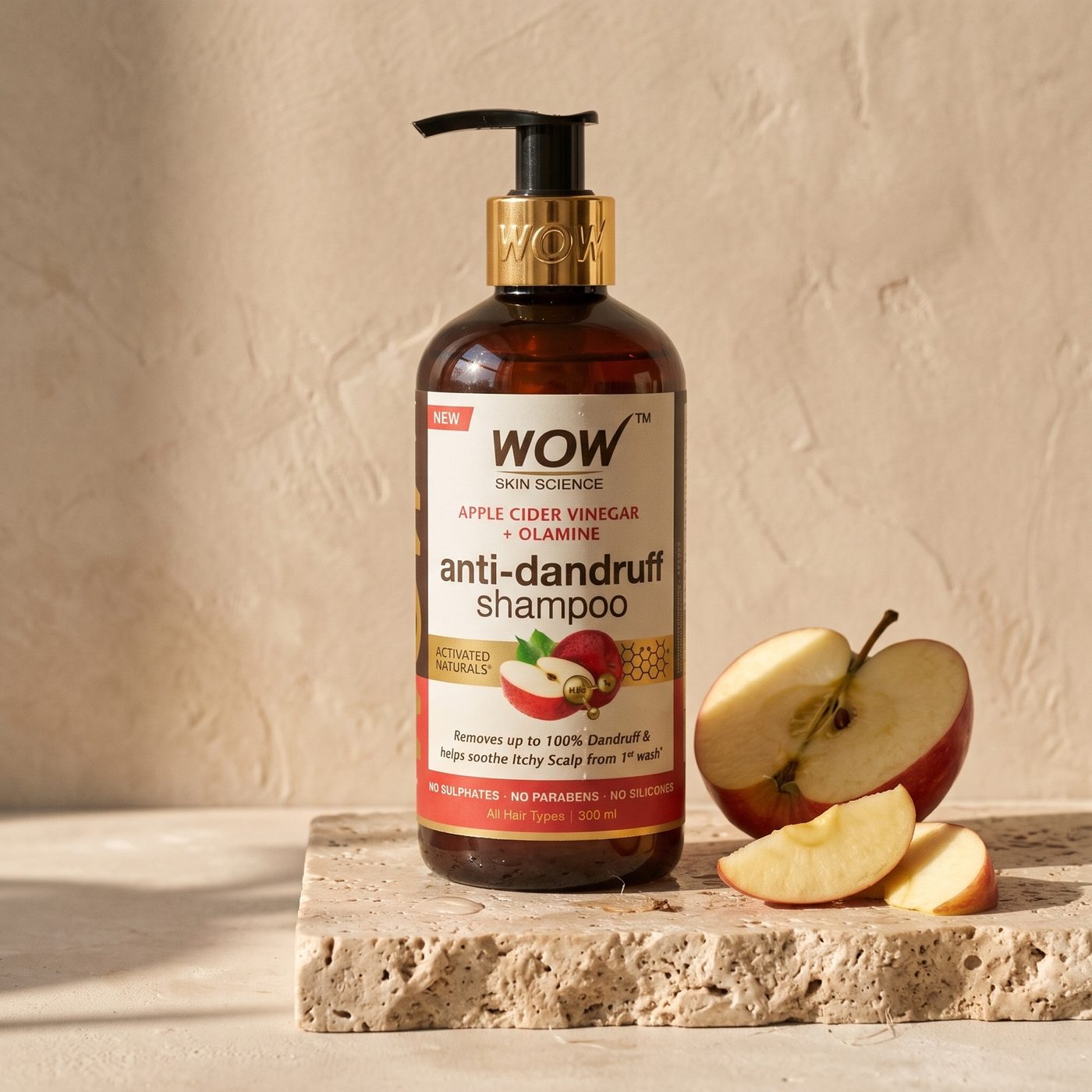
Sulfate-Free Shampoo and Conditioner: Do You Need It?
Sulfate-free shampoo cleans more gently, but it is not right for every scalp. Here is who it suits and how to pair it with conditioner.
Garima
WOW Editorial Team
A sulfate-free shampoo and conditioner routine is worth it if your hair is dry, frizzy, curly, colour-treated or chemically straightened, because gentler cleansers strip less natural oil. If your scalp is very oily or you oil your hair heavily every week, you may still need a stronger wash now and then.
Below is what sulfate-free actually means, whether it works, how to use it with conditioner in Indian weather, and who should think twice.
What does sulfate-free shampoo mean?
Sulfates are cleansing agents that create rich lather and lift oil and dirt. The common ones on labels are sodium lauryl sulfate (SLS), sodium laureth sulfate (SLES) and ammonium lauryl sulfate.
A sulfate-free shampoo uses milder cleansers instead. Look for names like:
Cocamidopropyl betaine
Sodium cocoyl isethionate
Decyl glucoside or coco glucoside
Sodium lauroyl sarcosinate
These still clean, but they are gentler on the hair's outer layer and the oils your scalp makes.
Is a sodium laureth sulfate-free shampoo really better?
SLES is milder than SLS, but it can still feel drying on hair that is already thirsty. Many people with fine, oily, straight hair use it without any problem.
So better depends on your hair. If your lengths feel rough, tangle easily or your colour fades fast, skipping sulfates usually helps. If your hair feels fine, there is no need to switch out of fear.
Does sulfate-free shampoo actually work?
Yes, it cleans well for most people. What changes is the feel:
Less foam. Lather is not the same as cleaning, so a low-foam wash is not a weak wash.
Softer lengths. Less stripping means hair keeps more of its own moisture.
Slower colour fade. Gentler cleansers are kinder to dyed and highlighted hair.
The first few washes can feel different, especially if you are used to squeaky-clean hair. Give it three to four weeks before you judge.
Do I still need conditioner with a sulfate-free shampoo?
Yes. Shampoo cleans; conditioner smooths the cuticle, reduces tangles and adds slip. Even a gentle shampoo lifts the cuticle slightly, and conditioner closes that gap.
Most conditioners do not contain sulfates at all, so the bigger choice is weight. Pick a lighter one for fine or oily hair and a richer one for thick, curly or dry hair. A pair such as the WOW Skin Science Hyaneon Bond Repair Moisturizing Shampoo with the Hyaneon Bond Repair Triple Action Conditioner is built around moisture and care for stressed hair; as with any product, read the ingredient list to check the cleansers suit what you want.
How to use shampoo and conditioner the right way
Wet hair fully for a minute. Sulfate-free formulas need more water to spread.
Shampoo the scalp, not the lengths. Massage with fingertips for 30–60 seconds. The rinse cleans the ends.
Wash twice if you oiled your hair. The first wash breaks the oil, the second actually cleans.
Squeeze out water, then apply conditioner from mid-length to ends, keeping it off the scalp.
Leave it 2–3 minutes, comb through with fingers, and rinse with cool or lukewarm water.
How often: two to three times a week for most hair; oily scalps may need more.
Is sulfate-free shampoo good for frizzy hair?
It is one of the easiest switches for frizz. Frizz happens when the cuticle is raised and hair pulls moisture from the air, which is why it gets worse in humid months.
Right now, post-monsoon, the weather swings between sticky afternoons and drier evenings. Gentle cleansing plus a good conditioner keeps the cuticle smoother through those changes. Add a light leave-in or serum on damp ends and avoid rough towel-drying.
What about hard water?
Hard water, common in many Indian cities, leaves calcium and magnesium on hair. Sulfate-free shampoos lather even less in hard water, and minerals can build up, making hair dull and stiff.
Use a little more water and work the shampoo in longer.
Use a clarifying wash once every two to three weeks if hair feels coated.
A shower filter can help if buildup keeps returning.
Festive season tip: watch the buildup
Diwali and wedding season usually mean more blow-drying, curling, hairspray and dry shampoo. Styling products sit on hair and a gentle shampoo may not lift all of it in one go.
After a heavy styling weekend, double shampoo or use a clarifying wash once, then go back to your sulfate-free routine. Always use a heat protectant before hot tools.
Is sulfate and paraben free shampoo safer?
Parabens are preservatives that stop bacteria and mould growing in water-based products. Paraben-free products use other preservatives instead; every shampoo needs one.
Choosing sulfate and paraben free is a personal preference. What matters more for your hair is how the formula feels on your scalp and lengths.
Who should avoid or rethink sulfate-free?
Very oily scalps that feel greasy within a day may need a stronger cleanser some days.
Heavy weekly oilers may find coconut or amla oil hard to remove without double washing.
Scalp conditions like dandruff, psoriasis or persistent itching need the right treatment; consult a dermatologist rather than only switching shampoo.
If you are pregnant or on medication and notice scalp changes, check with your doctor.
Quick answers
Which is the best shampoo and conditioner for dry hair?
A gentle, sulfate-free shampoo with a rich conditioner, used two to three times a week, suits most dry Indian hair types.
Why does my sulfate-free shampoo not foam?
Gentle cleansers make less lather, and hard water reduces it further. Use more water and massage longer.
Can I use a sulfate-free shampoo daily?
Yes, it is gentle enough for frequent washing, which helps if you sweat a lot or exercise daily.
Does sulfate-free shampoo reduce hair fall?
It reduces breakage from dryness and rough handling, but it does not stop hair fall. Ongoing shedding is worth discussing with a doctor.
Sulfate-free shampoo and conditioner suit dry, frizzy, curly and coloured hair best, especially in changing post-monsoon weather. Wash the scalp gently, condition the ends, and clarify occasionally if oil, styling or hard water build up.
Enjoyed this article?
Get more beauty tips and skincare guides delivered to your inbox.
By subscribing you agree to receive emails from BuyWOW. Unsubscribe anytime.
Related Articles
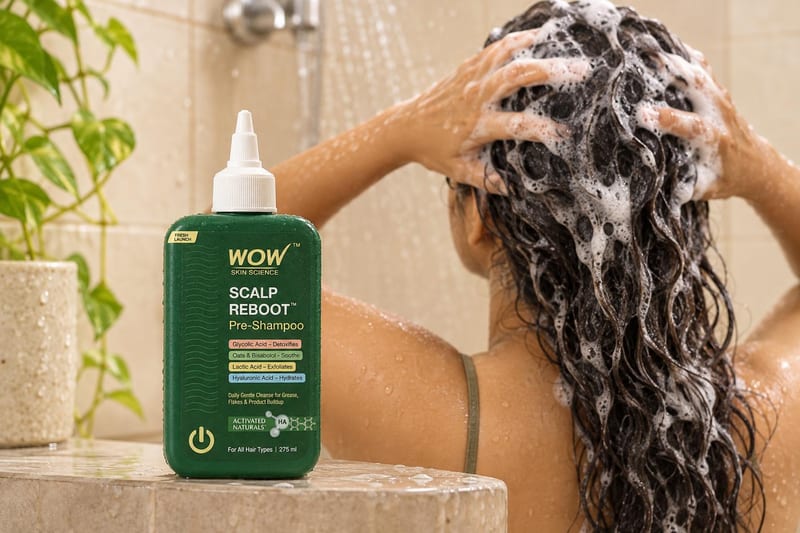
Non-Sulfate Shampoo: Does It Suit Indian Hair?
Less foam, gentler wash: here is who a non-sulfate shampoo actually helps, and how to make it work even after a hair-oiling night.
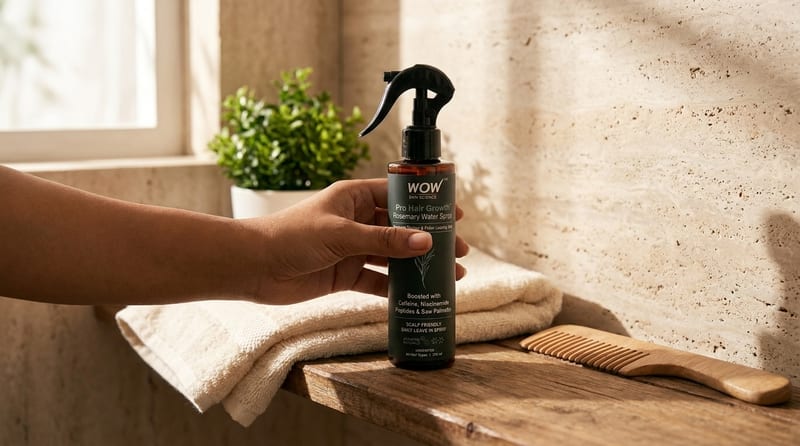
Does Biotin Shampoo Help Hair Growth or Just Breakage?
Biotin shampoo will not grow new hair on its own, but used well it can mean fewer snapped strands and fuller-looking hair. Here is the honest picture.
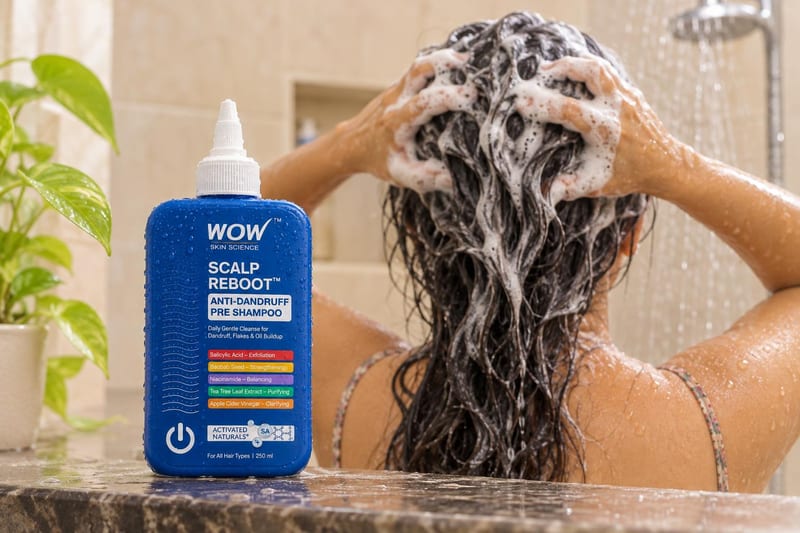
Shampoo Anti Dandruff: How to Choose the Right One in India
How to pick a shampoo anti dandruff formula by its active ingredient, use it with proper contact time, and build a simple routine that suits Indian weather.