Top Moisturizer Picks: 5 Types for Every Skin Type
The top moisturizer is the one matched to your skin type: gels for oily, creams for dry, hydration boosters for dull, tired skin.
G
Garima · WOW Editorial Team·6 min read·Updated 24 Nov 2026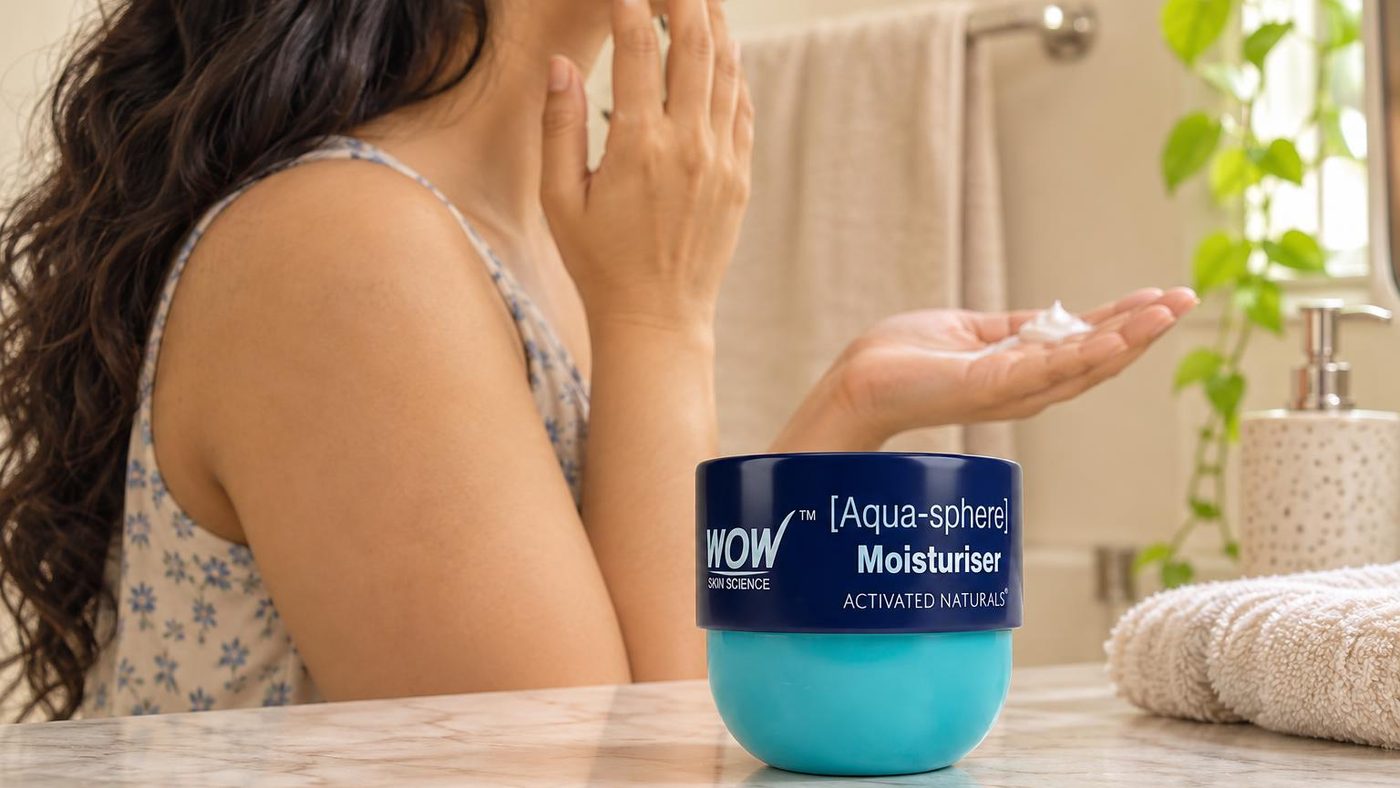

The top moisturizer is the one matched to your skin type: gels for oily, creams for dry, hydration boosters for dull, tired skin.
IN SHORT
The top moisturizer is not one famous jar; it is the one that matches your skin type, your weather and your routine. Oily and combination skin usually likes light gels, dry skin needs richer creams, and dehydrated skin wants water-binding hydration. Post-monsoon India brings swinging humidity and festive late nights, so here are five moisturiser types, who each one suits, and how to pick yours without guesswork.
Gel moisturisers are water-based and sink in fast, leaving little or no shine. They suit oily and combination skin, especially in humid cities where heavy creams can feel sticky by noon. Look for humectants like hyaluronic acid or glycerin, which draw water into the skin, and labels such as non-comedogenic or oil-free. Apply a pea-sized amount on damp skin after cleansing. If your cheeks feel tight but your T-zone gets oily, a gel works well all over, and you can layer a little extra only on dry patches during cooler evenings.
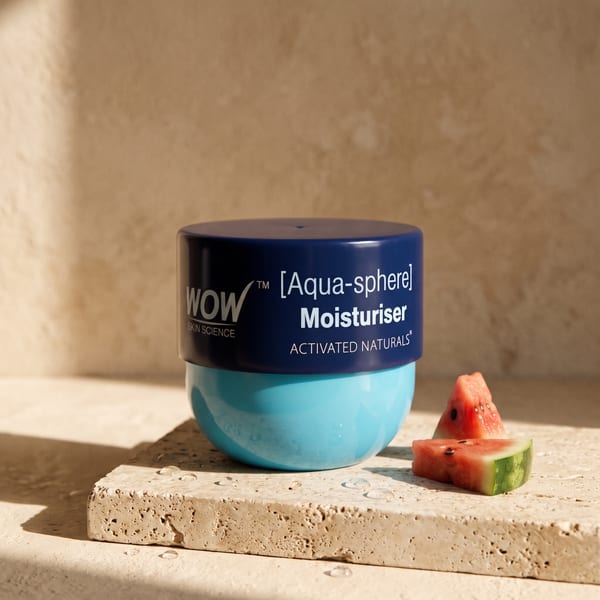
Dry skin makes less natural oil, so it needs a cream that both hydrates and seals. Good creams combine humectants with emollients like shea butter, squalane or plant oils, plus ingredients that slow water loss. As the monsoon ends and air gets drier towards winter, many people notice flaking around the nose and cheeks. Switch to a thicker texture at night and keep a lighter one for the day if you go out. Pat gently around the eyes, and avoid very hot water, which strips the oils a cream then has to replace.
Most people wash, towel off completely, then wait before moisturising. By then, water on the skin surface has already evaporated. Applying your moisturiser within a minute of cleansing, while the face is still slightly damp, helps humectants hold on to that water. Use a pea-sized amount, warm it between your fingertips, and press it in rather than rubbing hard. This simple habit often makes a light gel feel enough, even for combination skin, without needing a heavier formula.
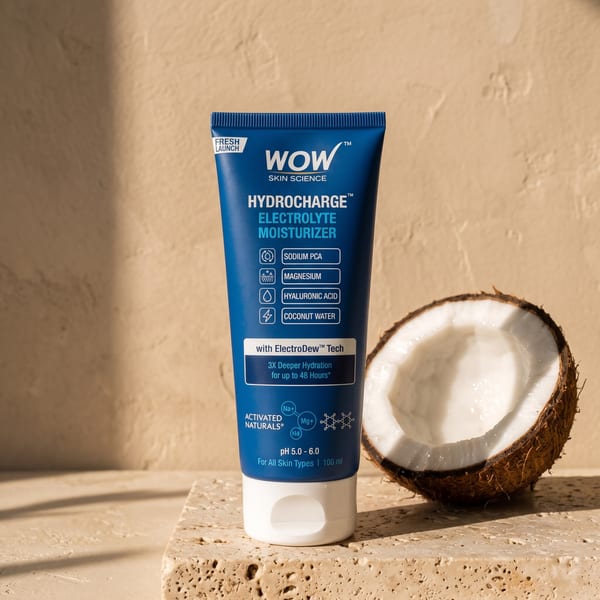
Dehydration means a lack of water, not oil, and any skin type can have it. Signs include dullness, fine lines that look sharper, and makeup that settles into texture. Electrolyte-style moisturisers are designed to help skin hold on to hydration, giving a bouncy, fresh feel without heaviness. They are useful after long AC hours at the office, travel, or festive nights with little sleep. Use one morning and evening on slightly damp skin, and drink enough water through the day. Pair it with a gentle cleanser so you are not stripping the moisture you just added.
If your skin stings, reddens easily or reacts to new products, look for short ingredient lists with ceramides, panthenol, oat or aloe, and skip strong fragrance. These ingredients help support the skin barrier, the outer layer that keeps water in and irritants out. Festive season brings heavier makeup, glitter and long wear, which can leave skin feeling raw. Patch test any new moisturiser on the inner arm or jawline for two to three days first. If redness, itching or bumps persist, stop using it and consult a dermatologist rather than switching products every week.
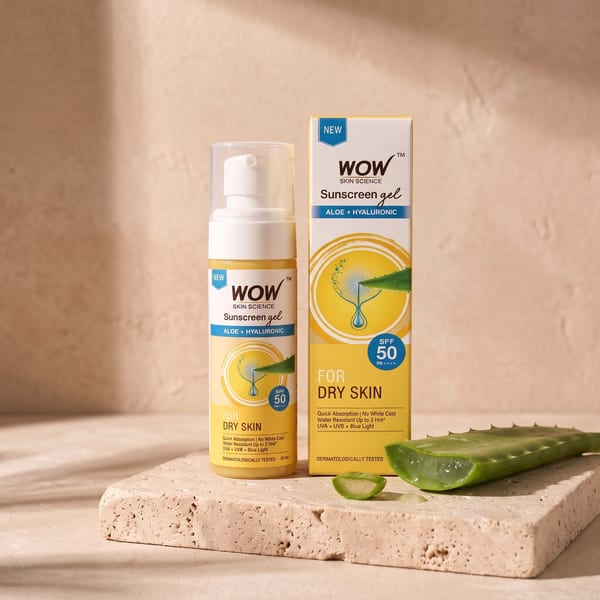
Even the best moisturizer for face does not replace sun protection. Indian UV stays strong after the monsoon clears, and sun exposure is a major reason skin looks uneven and dry. In the morning, apply moisturiser, wait a minute, then use a broad-spectrum sunscreen of SPF 30 or higher. If your skin is dry, a sunscreen made for dry skin adds comfort while protecting. Use about two finger-lengths for face and neck, and reapply every two to three hours outdoors. At night, skip SPF and let your moisturiser work alone.
QUICK PICKS
As the monsoon fades, humidity drops and many parts of India get drier air, especially in the north. Skin that felt oily in August may feel tight by Diwali. Festive weeks add makeup, late nights, travel and long hours in AC, all of which can leave skin dehydrated. Instead of switching everything at once, keep your light daytime moisturiser and add a more hydrating layer at night. Watch your skin for a week, then adjust texture based on how it feels.
A light, water-based gel moisturiser usually works best for combination skin. It hydrates dry cheeks without making the T-zone greasy. Apply it all over, then add a little extra only on drier patches during cooler evenings.
Dry skin does best with a cream that combines hydrating ingredients like glycerin with emollients such as shea butter or squalane. Use a richer layer at night, apply on damp skin, and avoid hot water, which strips natural oils.
Ratings help, but your skin type matters more. Check texture, look for non-comedogenic labels if you get breakouts, avoid strong fragrance if sensitive, and patch test first. A good moisturiser feels comfortable for hours without stickiness.
Was this guide helpful?
Your feedback helps us improve our next refresh.
This guide is for general information and isn't medical advice. For persistent concerns, see a dermatologist or doctor. Patch-test new products.
STILL UNSURE?
Find your 3-step routine in 60s
Get skincare and haircare guides from the WOW Editorial Team delivered to your inbox.
By subscribing you agree to receive emails from BuyWOW. Unsubscribe anytime.
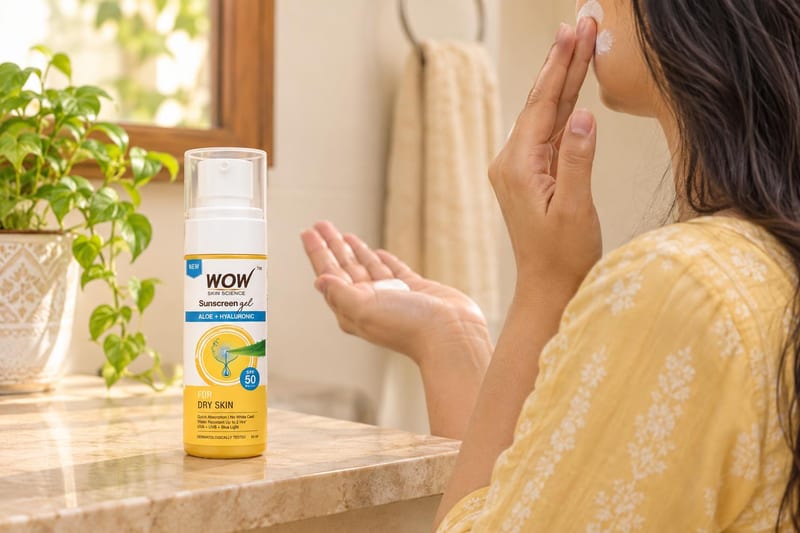
The best sunscreen for women is the one that suits your skin type and that you will wear daily. Here are our picks for oily, dry and busy days.
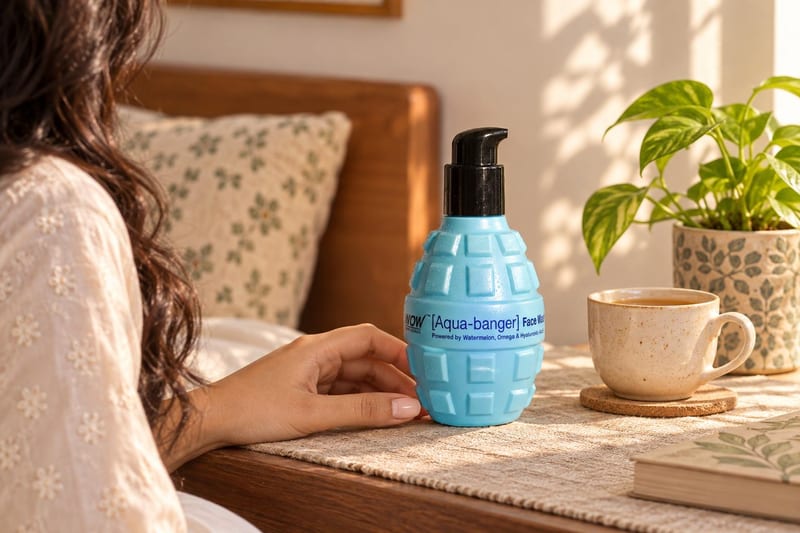
Your face wash sets the stage for your entire skincare routine. Learn how to match your skin type with the right WOW cleanser for clearer, healthier skin.
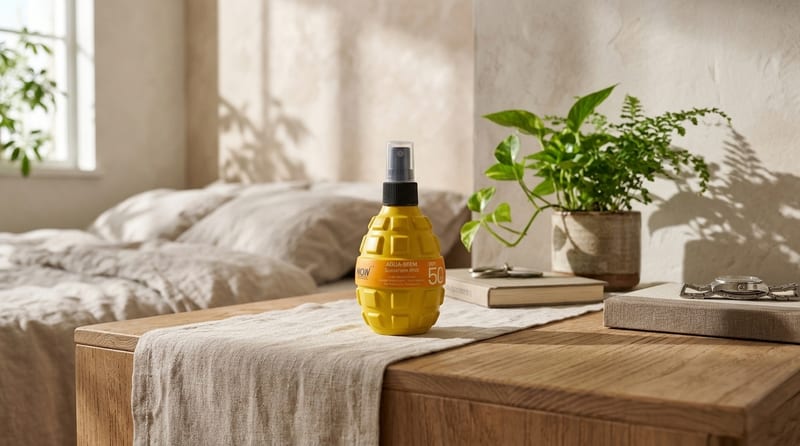
Oily face, beard, long commutes? Here are 5 sunscreen picks for men in India, plus how much to apply and when to reapply.
Yes. Oily skin can still lack water, and stripping it can leave skin feeling tight and looking shinier. A lightweight gel adds hydration without heaviness, keeping skin balanced in humid weather and under makeup.
No. Unless it clearly carries a broad-spectrum SPF, a moisturiser does not protect from UV. In the morning, apply moisturiser first, wait a minute, then use SPF 30 or higher and reapply every few hours outdoors.