1A whitening cream cannot change your natural skin colour; it can only brighten tan and dullness.
2Look for niacinamide, vitamin C and gentle lactic acid to help even out the look of spots.
3Daily sunscreen does more for even tone than any cream, so never skip it after Diwali shopping.
SPF 30+Daily sun coverEven on cloudy days
6–8 weeksTime to judgeSkin renews slowly, be patient
24 hrsPatch test firstBehind ear or inner arm
2× / dayApply routineMorning and night, consistently
Search for 'whitening cream' and you will find big promises. Here is the honest truth: no cream can change the skin colour you were born with, and you do not need it to. What a good cream can do is help fade tan, dark spots, post-acne marks and dullness, so your natural tone looks even and bright. These seven points help you pick the right cream, use it well, and avoid risky shortcuts this festive season.
01
1. Know what a cream can and cannot do
Your natural skin colour depends on genetics and the melanin your skin makes. A cream cannot change that, and any product claiming to do so should raise a flag. What creams can help with is extra darkening on top of your natural tone: sun tan, dark spots, marks left after pimples, and dullness from dead skin build-up. Once you see the goal as even and healthy-looking skin, choosing a product becomes much easier. You stop chasing a shade and start caring for texture, glow and comfort, which are things you can actually see improving within a couple of months.
Best for: Setting realistic expectations
02
2. Niacinamide for dark spots and uneven tone
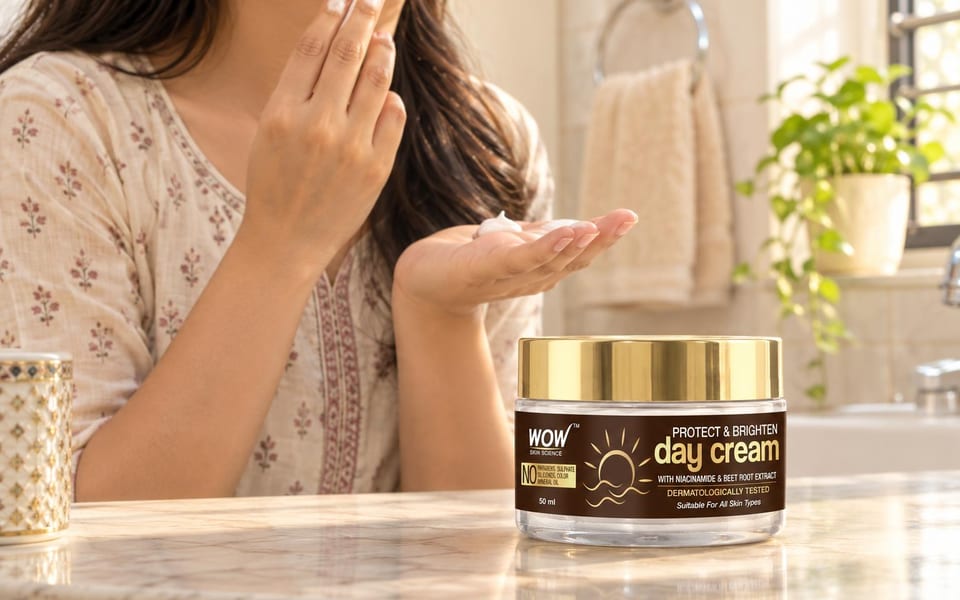
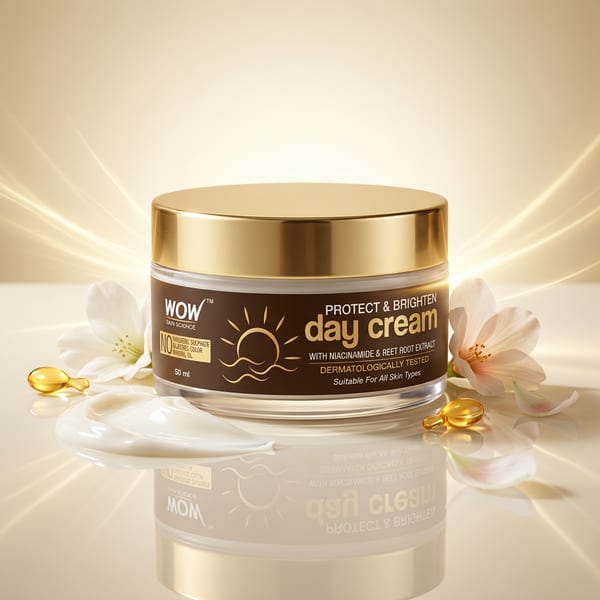
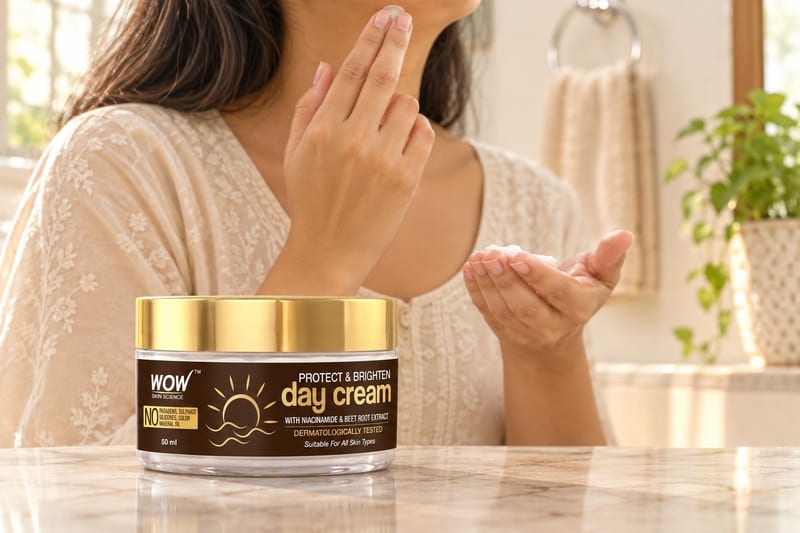
Niacinamide, a form of vitamin B3, is one of the most widely used brightening ingredients. It helps reduce the look of dark spots and patchy tone, supports the skin barrier and suits most skin types, including oily and acne-prone skin. It is gentle enough for daily morning use, which makes it ideal in a day cream. Look for a light, non-greasy texture that sits well under sunscreen in humid post-monsoon weather. A day cream with niacinamide and beetroot extract gives hydration plus brightening care in one step, keeping your routine short on busy mornings.
How to Apply a Brightening Day Cream So It Actually Works
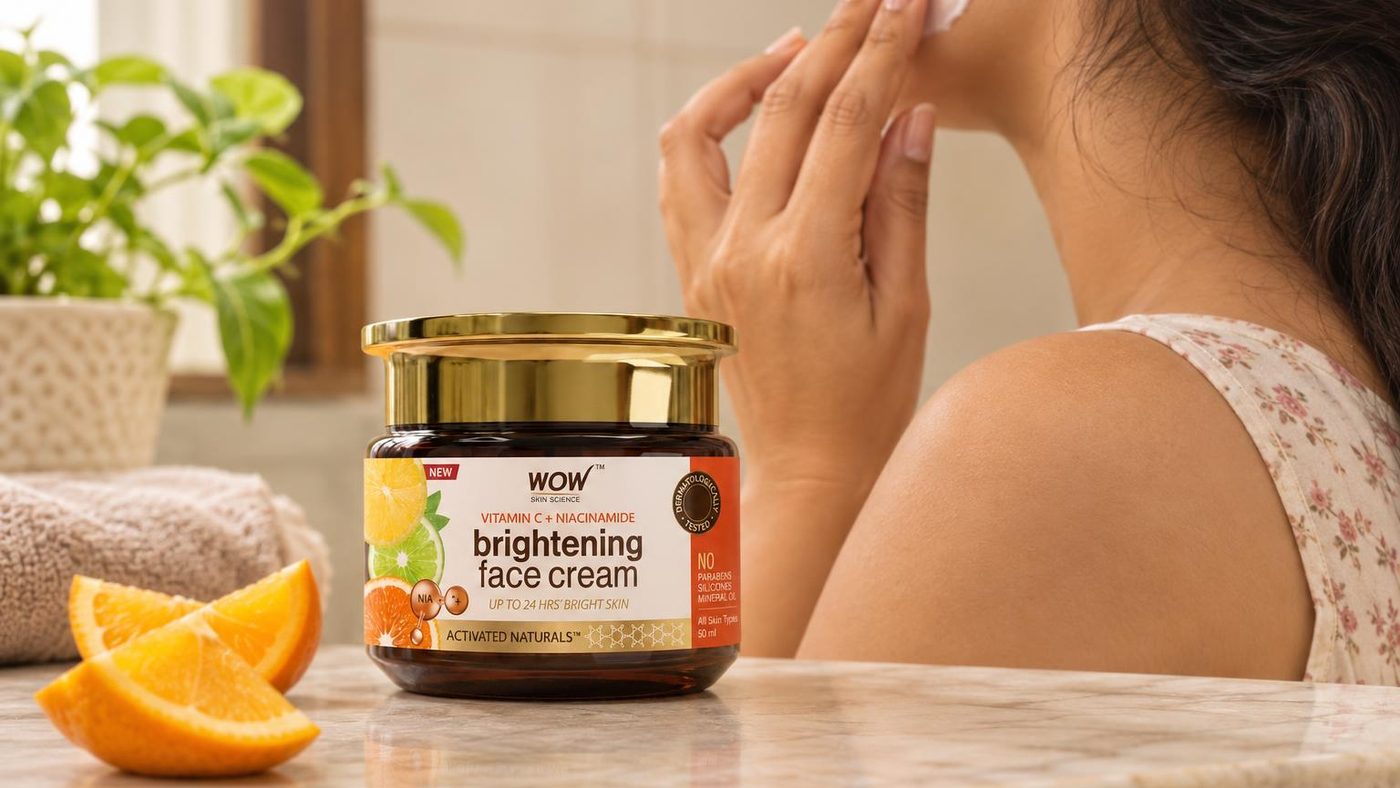
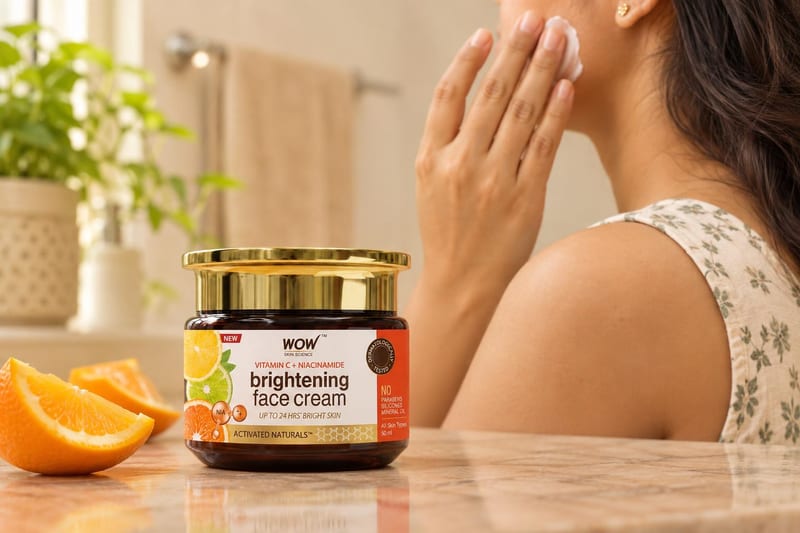
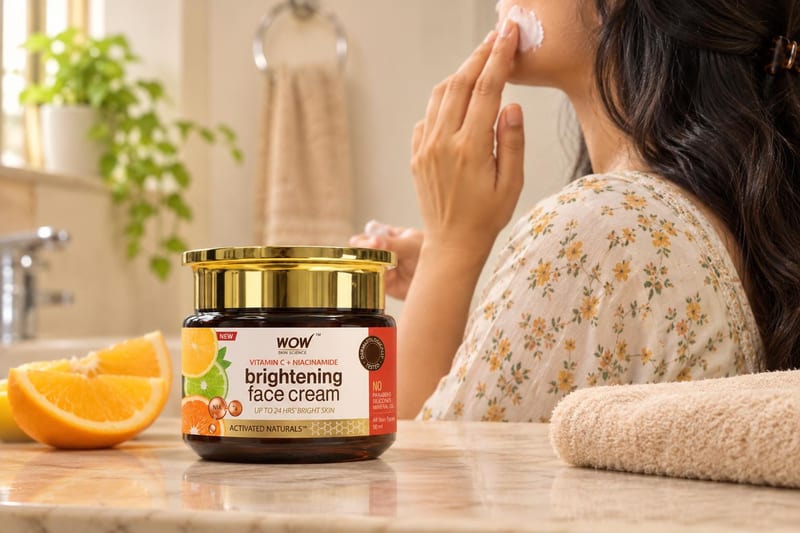
Most people rub a brightening cream onto unwashed skin and step into the sun. That wastes it. Start with a gentle face wash and pat dry. Take a pea-sized amount of day cream, dot it on the forehead, cheeks, nose and chin, then spread upward. Wait a minute, then apply sunscreen generously. In post-monsoon humidity, a light gel-cream layer feels comfortable. Reapply sunscreen if you are outdoors for festive shopping or travel, because sun exposure darkens spots faster than any cream can lighten them.
Cleanse first:product absorbs better on clean, slightly damp skin.
Use a pea-size amount:more cream does not mean faster results.
Finish with sunscreen:UV rays bring back tan and darken spots.
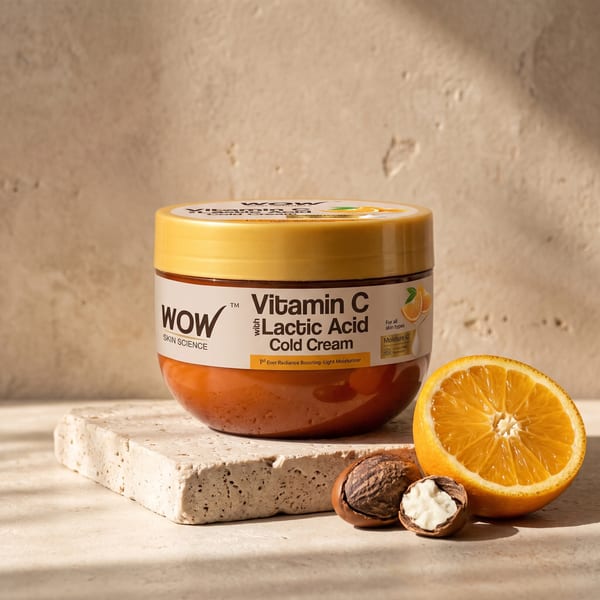
Vitamin C is a well-known antioxidant that helps brighten dull skin and protect it from daily pollution. Lactic acid is a mild exfoliating acid that gently loosens dead skin, so your face looks smoother and reflects light better. Together they suit skin that looks tired, rough or flaky. As the weather turns drier after the monsoon, a cold cream format gives extra nourishment. Start a few times a week if your skin is sensitive, then increase. Because lactic acid can make skin more sun-sensitive, always follow up with sunscreen the next morning.
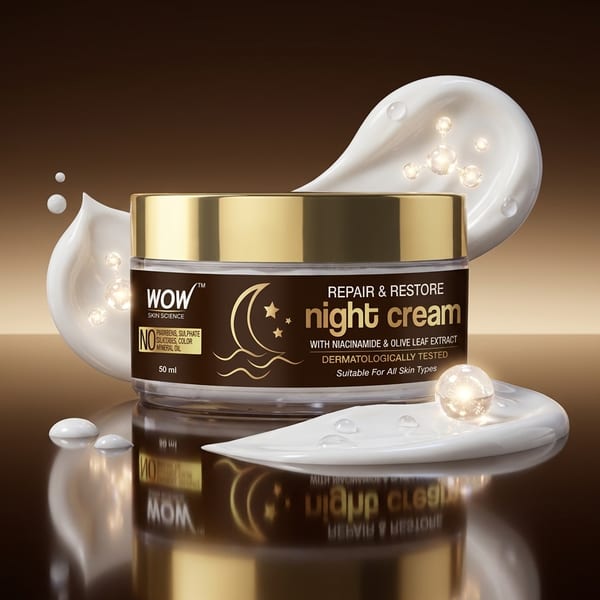
Night time is when skin is not dealing with sun, dust or makeup, so it is a good time to apply care that supports repair and moisture. A niacinamide night cream with olive leaf extract helps keep skin soft and supports a more even look over weeks. Apply it on clean, slightly damp skin after removing all makeup. If your concern is fine lines along with dullness, an anti-aging night cream can be a better pick. Keep the routine simple: cleanse, cream, sleep. Consistency each night matters far more than adding many layers.
Here is what most whitening cream ads skip: UV rays are the biggest reason for tan and darkening spots in India. Using a brightening cream without sunscreen is like mopping the floor while the tap runs. Apply a broad-spectrum SPF 30 or higher every morning, about two finger-lengths for face and neck. Reapply every two to three hours outdoors, and do not skip it on cloudy days, since UV rays pass through clouds. Festive shopping, rooftop pujas and travel all add sun time, so carry a small tube in your bag.
Best for: Every skin, every day
06
6. Underarm darkness needs gentle care
Many people search for underarm whitening cream, but darkness here often comes from friction, shaving, waxing, tight clothes, sweat and some deodorants. Start by removing the cause: wear breathable cotton, switch to gentle hair removal and moisturise after showering. Do not use face acids, lemon or baking soda on this thin, sensitive skin, as irritation can make it darker. Patch test any product first. If darkening appears suddenly, spreads to the neck, or feels thick and velvety, consult a doctor, since it can sometimes signal an internal health issue.
Best for: Friction and shaving darkness
07
7. Do not forget the under-eye area
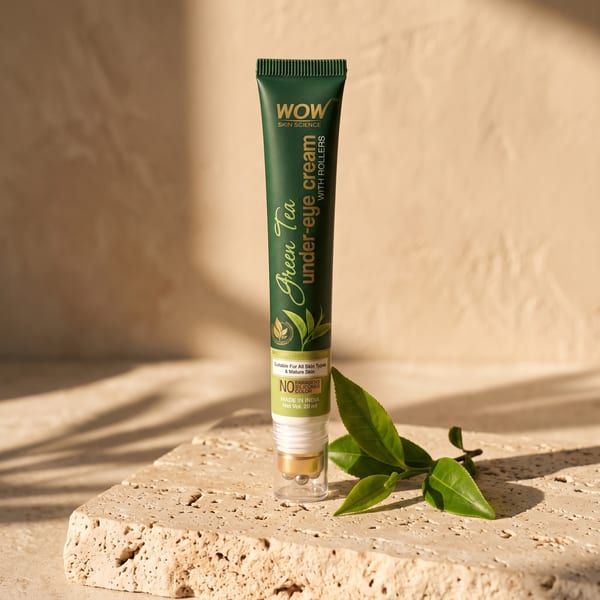
Dark circles often make the whole face look dull, even when the rest of your skin is bright. They can come from genetics, thin skin, late nights, screen time and dehydration. Regular face creams can be too heavy for this delicate area. A dedicated under-eye cream with green tea is light and soothing, and a roller tip gives a cooling feel that helps tired eyes look fresher. Gently tap, never rub. Pair it with better sleep, enough water and sunglasses outdoors, especially during long festive nights and travel.
✓Do: patch test every new cream for 24 hours before full use.
✓Do: wear SPF 30 or higher daily, even indoors near windows.
✓Do: give any brightening cream six to eight weeks of steady use.
✓Do: moisturise well as post-monsoon weather turns drier and patchier.
Avoid this
✕Avoid:unlabelled creams promising fast results; some may hide harmful steroids.
✕Avoid:lemon, baking soda or bleach on skin; they irritate and darken.
✕Avoid:mixing many strong actives at once; irritation causes new dark marks.
✕Avoid:picking pimples or scabs; this often leaves stubborn dark spots.
FESTIVE PREP
A Simple Night Routine for a Brighter Festive Glow
Festive weeks mean heavy makeup, late nights and smoke from diyas and crackers. Your skin needs a calm reset at night. Remove makeup fully, wash your face, and apply a niacinamide night cream on slightly damp skin. Niacinamide helps support the skin barrier and helps reduce the look of uneven patches over time. Do not pile on scrubs or new actives right before an event, since irritation can leave darker marks. Start your routine three to four weeks before the big day for a visible, natural glow.
Remove makeup fully:leftover product dulls skin and clogs pores.
Start early:begin three to four weeks before festive events.
Skip harsh scrubs:irritation can leave darker marks on Indian skin.
No cream can change your natural skin colour safely. Choose a brightening cream with niacinamide or vitamin C that helps fade the look of tan and dark spots, and pair it with daily sunscreen for the best visible results.
Which skin whitening cream is best for women?
Skin does not need a separate cream by gender. Pick by skin type: a light niacinamide gel-cream suits oily skin, while a richer vitamin C cold cream suits dry skin. Always patch test and use sunscreen every morning.
Is it safe to use an underarm whitening cream?
Underarm skin is thin and sensitive. Use only gentle, labelled products and patch test first. Darkness here often comes from friction, shaving or tight clothes. If it spreads suddenly or feels velvety, consult a doctor to check for underlying causes.
Some unlabelled creams sold with fast results may contain steroids or mercury, which can thin skin and cause acne or rashes. Buy only clearly labelled products with listed ingredients, and consult a dermatologist before using any prescription-strength cream.
How long does a brightening cream take to show results?
Skin renews itself roughly every few weeks, so give a brightening cream about six to eight weeks of regular use. Results depend on sun protection, consistency and the cause of darkening, like tan versus deeper pigmentation.