SPF 50 Sun Cream: 7 Tips to Pick and Use It Right
SPF 50 works only when you choose broad spectrum, use enough and reapply. Seven simple tips for Indian sun, humidity and festive days out.
G
Garima · WOW Editorial Team·7 min read·Updated 26 Nov 2026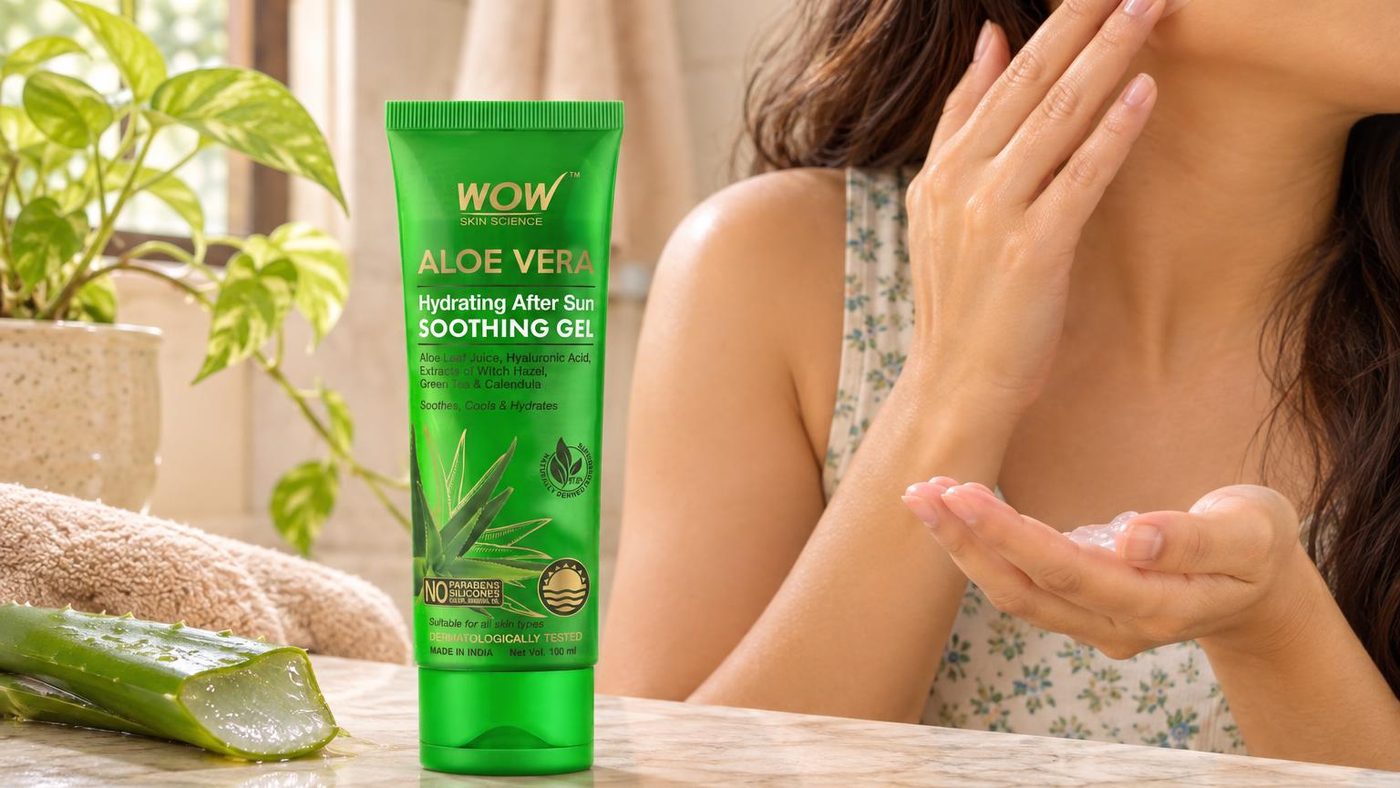

SPF 50 works only when you choose broad spectrum, use enough and reapply. Seven simple tips for Indian sun, humidity and festive days out.
IN SHORT
An SPF 50 sun cream is the strongest everyday UVB protection most people need in India, but the number only works if you pick the right type and apply enough. Post-monsoon sun is often stronger than it feels, and festive days mean long hours outdoors. These seven tips help you choose the best sun cream for your skin, use it correctly and care for skin after sun exposure.
SPF measures protection from UVB rays, the ones linked to sunburn. It says nothing about UVA rays, which reach deeper and add to tanning and the look of early ageing. So flip the tube and look for 'broad spectrum' and a PA rating. PA+++ or PA++++ is a good aim for Indian sun. SPF 50 is a smart daily choice if you commute, ride a two-wheeler or sit near windows, because UVA passes through glass. A higher number alone does not mean a better product; the full label matters.

In post-monsoon humidity, a heavy cream can feel sticky and melt off by noon. Oily and acne-prone skin usually does better with gel, fluid or matte formulas labelled non-comedogenic. Dry skin may prefer a creamier lotion that adds moisture. Mineral filters such as zinc oxide and titanium dioxide often suit sensitive skin, though some leave a light white cast on deeper skin tones. Chemical filters usually blend in clearer. The best sun cream is the one you enjoy wearing daily, because comfort decides whether you actually reapply.
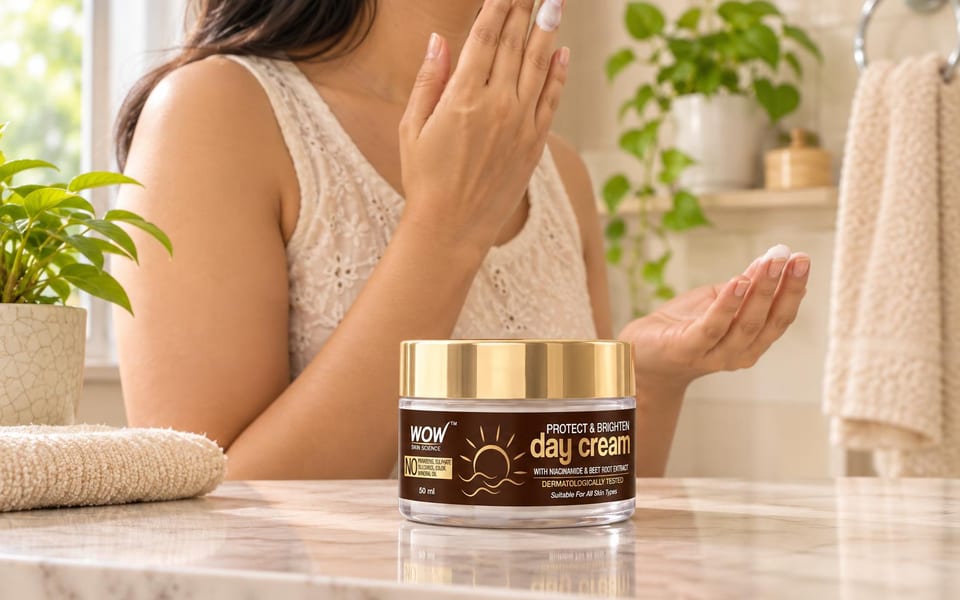
Post-monsoon weather swings between sticky afternoons and drier evenings, so skin often feels oily and tight at the same time. Sun cream on dehydrated skin can look patchy and settle into flaky spots. A light, well-absorbed moisturiser first gives a smooth canvas, so the SPF layer spreads evenly and stays put. Choose a non-greasy day cream, use a pea-sized amount and wait about a minute. Then apply your full two-finger measure of sun cream. Evenness is what turns the SPF number into real protection.
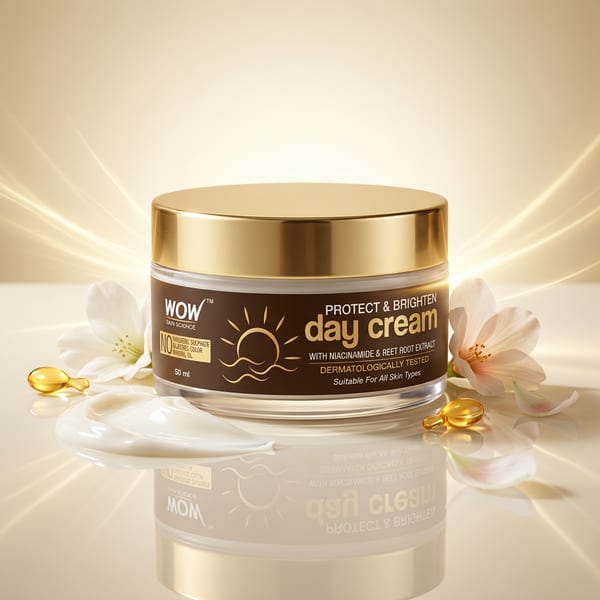
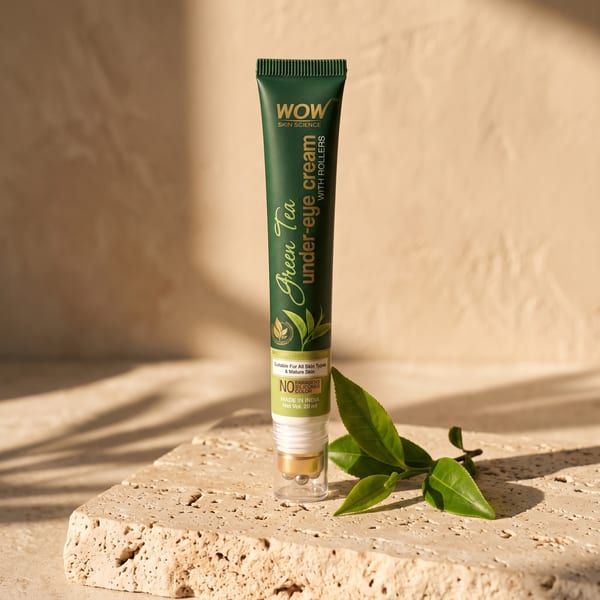
Most people apply far less sun cream than the SPF label assumes, so they get lower protection than the number suggests. A simple guide is the two-finger rule: squeeze a line along your index and middle fingers for face and neck. Dot it on forehead, cheeks, nose and chin, then spread evenly. Don't forget ears, the back of the neck and the hairline. Around the eyes, pat gently with your ring finger; a light under-eye cream underneath keeps the area comfortable. Hands and arms need their own generous layer.
Sun cream goes last in your morning skincare, after cleanser, any serum and moisturiser. Let your moisturiser settle for a minute so the sun cream spreads smoothly and doesn't pill. A light day cream with niacinamide helps keep skin hydrated and looking even before the protective layer goes on. If you wear makeup, wait a few minutes after sun cream before foundation. Apply about 15 to 20 minutes before stepping out. Avoid mixing sun cream into moisturiser or foundation, as that dilutes it and spreads it unevenly.

Sun cream wears off with sweat, touching your face, wiping with a dupatta or towel, and simple time. Reapply roughly every two hours when outdoors, and straight after swimming or heavy sweating. Long festive shopping trips, pandal visits and outdoor pujas are easy times to forget. Keep a small tube in your bag. Over makeup, a sun stick or SPF powder can help top up, though a fresh layer of cream on clean skin works best. Indoors away from windows, one morning layer is usually enough.
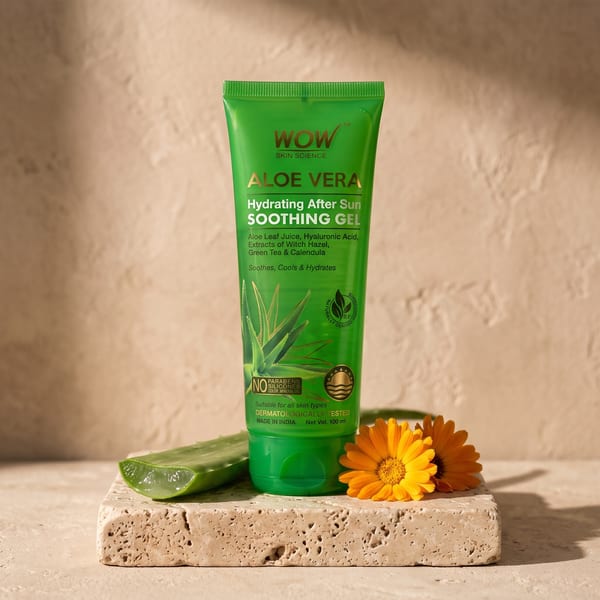
Even with SPF 50, a long day out can leave skin feeling warm, tight or dry. Rinse with cool water, pat dry and smooth on a light aloe vera gel to cool and hydrate. Aloe has been used for generations in Indian homes for its soothing feel, and a gel texture absorbs fast in humid weather. Keep it in the fridge for an extra-refreshing touch. If you notice blisters, swelling or pain that doesn't settle, skip home care and consult a doctor or dermatologist.
Water-resistant and long-wear sun creams cling to skin, and Indian dust and pollution add to the buildup. At night, cleanse thoroughly; if you wore makeup, an oil or balm first and a gentle face wash second works well. Then follow with a night cream to replenish moisture while you sleep. Niacinamide helps skin look smoother and more even over time, which pairs nicely with daily sun protection. Consistency matters more than strength: steady SPF by day and nourishment by night give the best visible results.

QUICK PICKS
Festive season means rooftop pujas, open-air melas and long shopping walks, often in strong afternoon sun. Even with SPF 50 reapplied, skin can feel warm and tight by evening, especially on the nose, cheeks, neck and forearms. Start with a cool-water rinse, not hot. Pat dry and smooth on a chilled aloe vera gel in a thin layer, letting it absorb before bed. Sip water through the day too. If redness lasts for days or skin blisters, consult a dermatologist.
SPF 50 offers a little more UVB protection than SPF 30, which helps under strong Indian sun and long outdoor hours. The bigger difference comes from applying enough and reapplying. Either works well when used generously and daily.
Look for a gel, fluid or matte formula labelled non-comedogenic and broad spectrum with PA+++ or higher. Lightweight textures sit better in humid weather and feel less sticky, so you are more likely to reapply through the day.
If you sit near windows or drive a lot, yes, because UVA rays pass through glass. In rooms without direct sunlight, one morning application is usually enough. Windows matter far more than screens for UV exposure.
Was this guide helpful?
Your feedback helps us improve our next refresh.
This guide is for general information and isn't medical advice. For persistent concerns, see a dermatologist or doctor. Patch-test new products.
STILL UNSURE?
Find your 3-step routine in 60s
Get skincare and haircare guides from the WOW Editorial Team delivered to your inbox.
By subscribing you agree to receive emails from BuyWOW. Unsubscribe anytime.

The best sunscreen is the one that suits your skin and that you reapply. Our picks for oily, dry, body and on-the-go use in Indian weather.
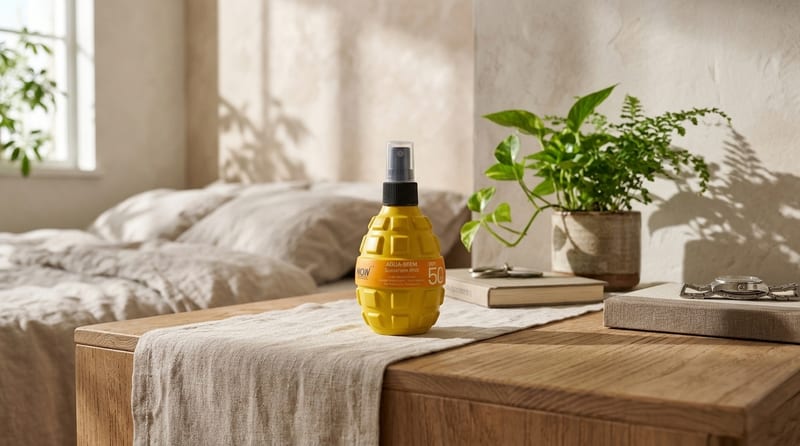
Oily face, beard, long commutes? Here are 5 sunscreen picks for men in India, plus how much to apply and when to reapply.
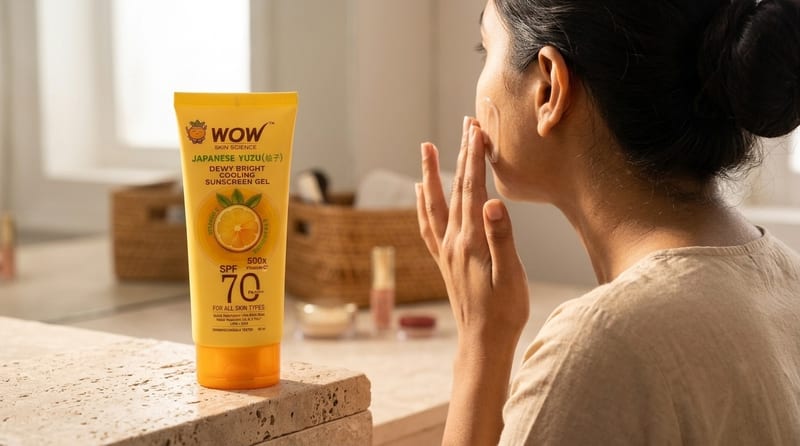
Sunscreen feels greasy on oily skin only when the texture or layering is wrong. Here is how to pick one you will actually wear daily.
Yes. Deeper skin tones still tan, can develop uneven patches and are affected by UV rays. A broad-spectrum SPF 50 that blends without a white cast, often a gel or tinted formula, makes daily use much easier.
Apply it about 15 to 20 minutes before stepping out so it settles evenly on skin. Reapply every two hours outdoors, and right after swimming, heavy sweating or towelling your face dry.